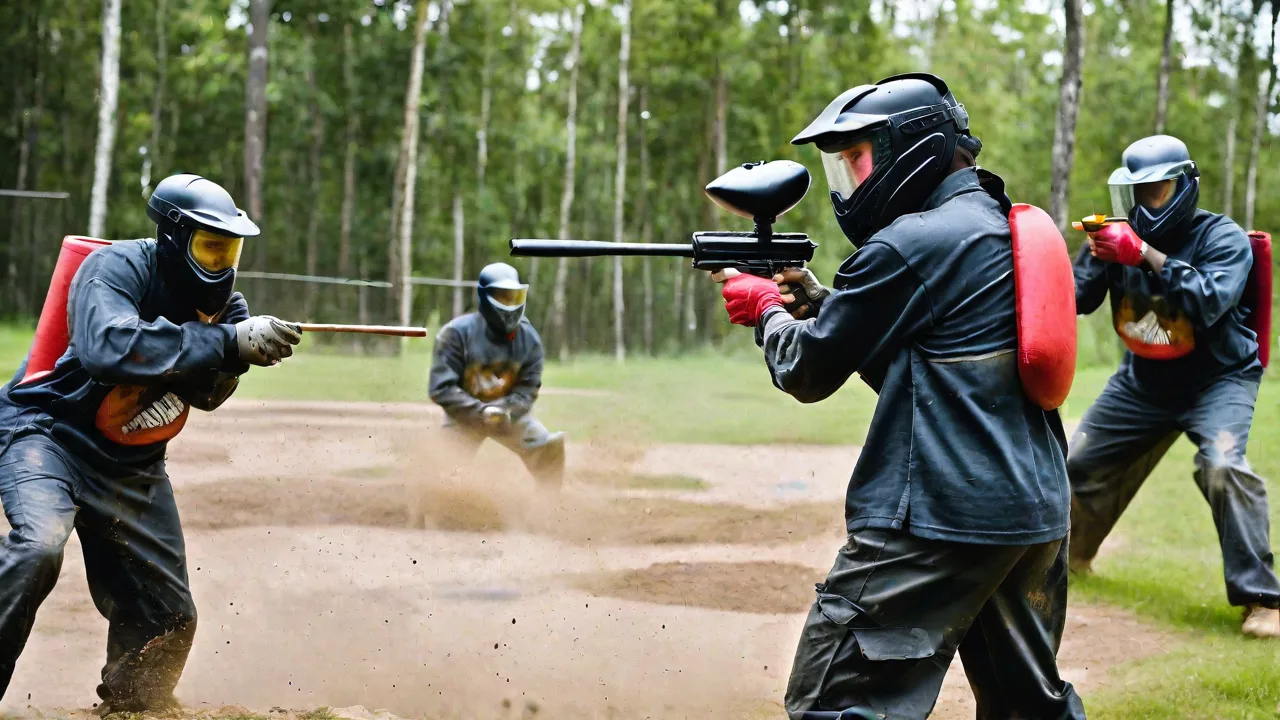
How to Use Paintball as a Team-Building Exercise for Corporations
Why Paintball Is an Effective Corporate Team-Building Tool
In today’s fast-paced business environment, fostering strong teamwork and clear communication is essential for success. Traditional team-building exercises like trust falls and scavenger hunts can lose their impact over time. Paintball offers a dynamic, high-energy alternative that challenges employees in ways a conference room never can. When organized properly, a paintball event becomes more than just a fun outing—it becomes a laboratory for collaboration, leadership, and strategic thinking.
Paintball requires participants to work in small teams under pressure, making split-second decisions while relying on teammates for cover, information, and coordinated action. The adrenaline rush and physical engagement break down hierarchical barriers, allowing junior staff and executives to interact as equals. This shared experience builds genuine camaraderie that transfers back to the workplace. Moreover, the lessons learned on the field—adaptability, trust, and clear communication—are directly applicable to project management, client relations, and daily operations.
Core Benefits of Paintball for Corporate Teams
Enhanced Communication Under Pressure
In a paintball match, silence can be deadly. Teams must constantly share information about enemy positions, available cover, and ammunition status. This forces participants to develop concise, clear communication styles. Employees learn to listen actively and respond quickly—skills that translate directly to productive meetings and efficient project handoffs. According to Harvard Business Review, effective communication is one of the most critical factors in high-performing teams.
Built Trust Through Reliance
Paintball builds trust because each player’s safety and success depend on their teammates. When a colleague covers your flank or provides suppressive fire, you learn to rely on them in high-stakes moments. This experience deepens interpersonal trust, which research shows directly correlates with higher team performance and lower turnover. Trust built in a paintball match often carries over into workplace collaborations, making employees more willing to delegate tasks and support each other.
Strategic Thinking and Adaptability
Every paintball match presents a unique tactical problem. Teams must assess the field, allocate roles, and develop a plan—all of which can be disrupted by the opposing team’s moves. This environment cultivates strategic thinking and adaptability. Employees learn to pivot when a plan fails, to experiment with new approaches, and to analyze outcomes without blame. These skills are invaluable in industries where market conditions change rapidly.
Morale and Stress Relief
Corporate life can be stressful. Paintball provides a safe, healthy outlet for releasing pent-up energy and frustration. The physical activity releases endorphins, leaving participants feeling energized and positive. A shared sense of accomplishment after a well-played game boosts morale and creates lasting positive memories. When employees associate their employer with fun, challenging experiences, engagement and loyalty increase.
Planning a Successful Paintball Team-Building Event
Turning a paintball day into a productive team-building exercise requires careful planning. The following steps will help you design an event that maximizes both fun and developmental outcomes.
Selecting a Reputable Venue
Not all paintball fields are created equal. Look for a facility that prioritizes safety, maintains clean equipment, and offers varied terrain to keep games interesting. Check reviews, ask about insurance and staff training, and visit the site if possible. A good venue will have referees who enforce rules and keep games flowing. Fields should have clearly marked boundaries, covered areas for rest, and easy access to first aid. Venues like Paintball USA offer corporate packages that include equipment rental, lunch, and dedicated event coordinators.
Determining Group Size and Team Composition
For optimal engagement, teams of six to ten players work best. Larger groups can be split into multiple games or a tournament format. When forming teams, mix departments and seniority levels. Avoid putting all managers on one team; instead, create balanced squads that force people outside their usual work circles. This cross-pollination encourages new relationships and breaks down silos.
Setting Clear Objectives
Before the first shot, communicate the purpose of the event. Is the goal to improve communication, to build trust, to encourage creative problem-solving, or simply to have fun? Tailor the game scenarios accordingly. For example, a “VIP Protection” scenario requires one team to guard a designated player, emphasizing coordination and sacrifice. A “Capture the Flag” scenario rewards fast strategic planning. Share these objectives with participants so they understand the learning goals behind the activity.
Organizing Equipment and Supplies
Most venues rent markers, masks, and protective gear. Ensure that all equipment is clean and functioning. For corporate groups, consider providing branded t-shirts or armbands to distinguish teams. Also arrange for ample water, snacks, and a shaded rest area. First aid kits should be easily accessible, and a medical waiver should be obtained from all participants in advance. If your company has employees with physical limitations, provide alternative roles such as scorekeeping or refereeing to include everyone.
Communicating Rules and Safety Guidelines
Safety is paramount in paintball. Provide a brief but thorough orientation covering: wearing masks at all times in active zones, maximum velocity limits for markers, no physical contact, and boundaries of the playing field. Emphasize that the goal is fun and learning, not aggression. Encourage players to call themselves out when hit. A safety briefing builds trust and ensures everyone can enjoy the day without worry.
During the Paintball Event: Best Practices
The day of the event is where theory meets action. As the organizer or facilitator, your role is to keep energy high, learning on track, and safety maintained.
Start with Warm-Up and Icebreakers
Before diving into full games, lead a few warm-up exercises. Stretching reduces injury risk. Icebreaker games like “One-Word Story” or “Human Knot” help participants loosen up mentally and physically. This also allows people who are nervous about the physical aspect to settle in. A brief team photo can also build excitement and create a memento.
Explain Rules and Game Scenarios Clearly
Gather all participants together and review the rules one final time. Use a whiteboard or video to show the field layout and objectives. Answer any questions. Then, for each round, explain the specific scenario: roles, win conditions, and any special rules (e.g., respawn points or limited ammo). Clear instructions reduce confusion and maximize time spent actually playing.
Foster Team Spirit and Positive Communication
Encourage participants to cheer for each other, to celebrate good shots and smart moves, and to avoid criticism. As a facilitator, walk among the teams, offering tips on communication: “Remember to use code words for directions,” or “Make sure everyone has a job.” After each round, hold a five-minute huddle where teams share what worked and what didn’t. This reflection period cements the learning.
Rotate Team Compositions
If your event includes multiple games, shuffle team rosters between rounds. This ensures everyone interacts with a broad cross-section of colleagues. It also prevents any one team from dominating, keeping competition balanced and fun. Rotating teams helps break social cliques and builds company-wide cohesion.
Debrief After the Event
Once the last paintball is fired, gather everyone for a debrief session. Use open-ended questions: “What did you learn about communication today?” “How did it feel to trust your teammates?” “Can you think of a time at work when you needed that same trust?” Facilitate a discussion that connects the paintball experience to workplace scenarios. Consider recording key insights on a whiteboard. This debrief transforms a fun activity into a lasting developmental experience.
Leveraging Lessons Learned Back in the Office
The true value of a paintball team-building event is realized when participants apply new skills at work. To maximize this transfer, take concrete follow-up steps.
Create a Shared Experience Document
After the event, send a summary email with photos, a recap of key lessons, and reminders of the goals. Encourage employees to share one thing they learned. Managers can reference these lessons in team meetings: “Remember how we communicated better in paintball? Let’s try that approach in our next project review.”
Implement a “Paintball Principle” in Workflows
Identify the most valuable principle from the day—such as clear communication under pressure or quick adaptation—and integrate it into a real workflow. For example, introduce a “rapid stand-up” format where team members share updates in 30-second bursts, mimicking the concise calls used in paintball. This reinforces the learning in a practical context.
Measure the Impact
To justify the investment, track soft metrics: employee engagement scores, team collaboration survey results, or even project delivery times before and after the event. You can also conduct a simple post-event survey asking participants to rate changes in trust and communication with colleagues they played alongside. Share these results with leadership to demonstrate ROI.
Potential Challenges and How to Overcome Them
Paintball team-building is not without obstacles. Anticipating and addressing these challenges ensures a smooth experience.
Reluctant or Anxious Participants
Some employees may be hesitant due to fear of pain, concerns about physical fitness, or dislike of competition. Address this by offering a beginner-friendly orientation, emphasizing that paintball is safe when rules are followed, and allowing non-players to serve as referees, photographers, or strategists in a “support role.” Frame the event as a low-pressure learning experience rather than a battle. Provide high-quality padding and ensure markers are set to a safe velocity.
Weather and Scheduling Conflicts
Outdoor paintball is weather-dependent. Have a backup indoor venue or a rain date. Schedule the event well in advance and communicate the policy clearly. For large corporations, consider a half-day event to minimize disruption to work. Avoid peak vacation times or major project deadlines.
Budget Constraints
Paintball events can be cost-effective by choosing local fields and negotiating corporate rates. Some venues offer discounts for groups of 15 or more. Alternatively, a DIY paintball setup on company property (with proper safety measures) can reduce costs. Emphasize the long-term value: improved teamwork often reduces costly miscommunication and turnover.
Game Formats That Maximize Team Building
Different game scenarios emphasize different skills. Rotate through several formats during the event to cover multiple learning objectives.
- Capture the Flag: Classic format that rewards strategy and coordinated movement. Best for teaching planning and role assignment.
- VIP Protection: One team defends a designated “VIP” player while the other tries to eliminate them. Builds trust and protective instincts.
- Elimination: Teams start on opposite sides and must eliminate all opponents. Emphasizes communication and covering fire.
- Scenario-Based Missions: Incorporate fictional objectives such as “retrieve a briefcase” or “secure a building.” Encourages creative problem-solving and adaptability.
Mixing these formats prevents monotony and challenges different aspects of teamwork. Allow teams to vote on the final round to increase engagement.
Case Study: How a Tech Startup Used Paintball to Improve Collaboration
A mid-sized software company with 50 employees had been struggling with inter-departmental communication. Engineering and sales teams rarely interacted, leading to missed product feedback and strained relationships. The leadership decided to run a paintball event with mixed teams. During the debrief, engineers noted that sales colleagues were surprisingly good at quickly assessing situations and calling out threats—skills that mirrored how sales teams identify market risks. Sales staff, in turn, saw engineers as disciplined strategists who planned before moving. The event opened a dialogue that later led to a weekly cross-departmental stand-up meeting. Employee engagement scores rose 12% in the following quarter, and project turnaround improved by 20%.
While this is a fictionalized example, it illustrates the kind of real-world impact paintball can have when tied to specific organizational goals. For more real-world examples of adventure-based team building, see TeamBuilding.com’s guide to paintball.
Safety First: Essential Guidelines
No team-building activity is worth an injury. Follow these safety protocols rigorously.
- Masks On: Lenses or full-face masks must be worn in all active areas. Never remove them even if hit.
- Velocity Checks: Markers should be chronographed before each game to ensure velocity stays below 280 fps (feet per second).
- Barrel Covers: Use barrel blocking devices when not on the field.
- No Physical Contact: Aggressive tackling or blocking is strictly prohibited. Referees should stop any rough play immediately.
- Boundaries: Clearly mark field boundaries; players who exit the field are considered out.
- First Aid: Have a trained staff member on site with a fully stocked first aid kit.
For a detailed safety checklist, refer to the Paintball Players Association standards.
Measuring the Return on Investment
Corporate training budgets are always under scrutiny. To justify a paintball event, measure its impact beyond immediate enjoyment.
- Pre- and Post-Event Surveys: Use a simple Likert scale to measure trust, communication, and collaboration among participants. Compare scores.
- Observation: Have a facilitator note changes in how teams interact during games versus before the event.
- Follow-up Pulse Checks: One month later, ask employees if they’ve noticed any changes in workplace interactions. Collect specific anecdotes.
- Business Metrics: Track relevant KPIs such as project cycle time, error rates, or sales collaboration scores. While many factors influence these, a significant shift can often be tied to improved team dynamics.
When presented with concrete data, even skeptical leadership will see the value in experiential team building.
Conclusion
Paintball is far more than a game—it’s a high-impact tool for developing the essential team skills that drive business success. By planning a well-structured event with clear objectives, safety protocols, and a strong debrief, you can transform a day of paintball into a lasting investment in your company culture. The trust, communication, and strategic thinking gained on the field will echo in meeting rooms, project teams, and daily interactions for months to come. Incorporate paintball into your next team-building initiative and watch your organization become more cohesive, resilient, and productive.