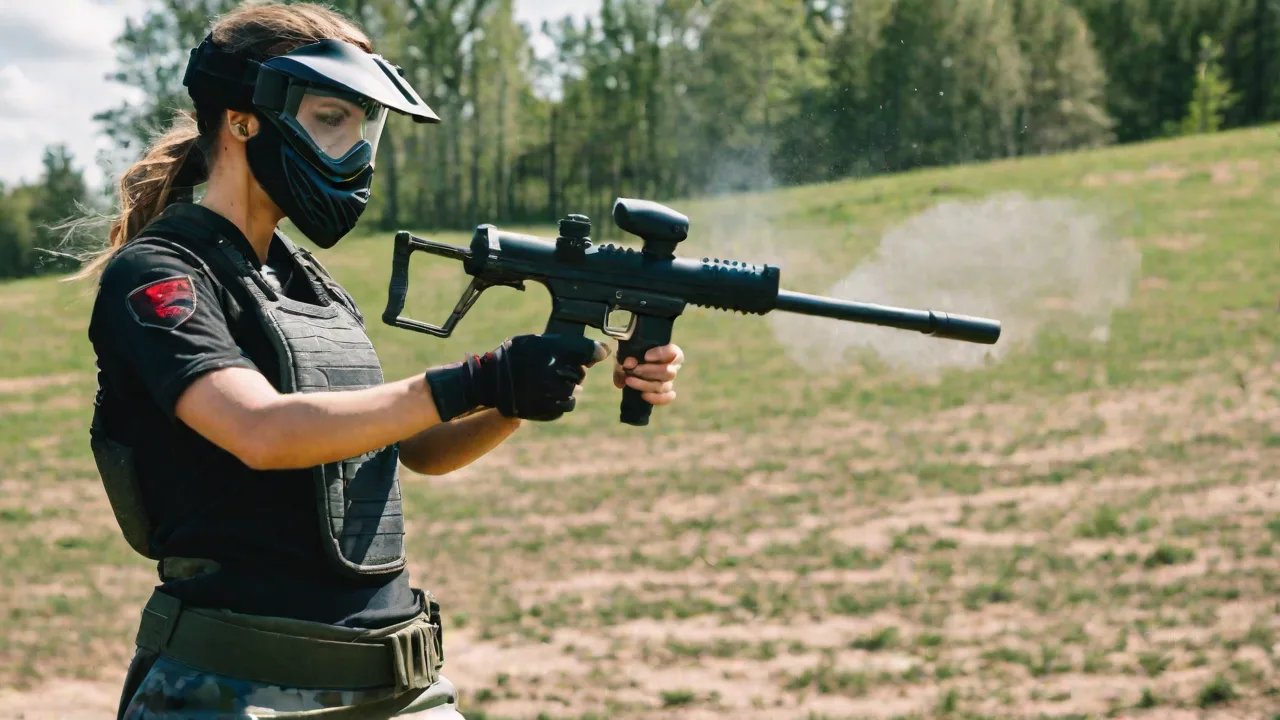
How to Protect Your Skin From Paintball Hits and Bruises
Why Paintball Bruises Happen and How to Prevent Them
Paintball is a high-energy, adrenaline-packed sport that rewards strategy, speed, and teamwork. But anyone who has stepped onto the field knows that getting hit stings. A paintball traveling at 280 to 300 feet per second carries enough kinetic energy to leave a mark. The result is often a painful bruise, a welt, or even broken skin if you are unlucky. The good news is that most paintball injuries are preventable with the right preparation. This guide covers everything you need to know about shielding your skin from paintball hits, minimizing bruising, and caring for your body so you can play comfortably and safely.
Understanding the physics of a paintball impact is the first step in protecting yourself. A standard .68 caliber paintball weighs about 3 grams. When it strikes exposed skin, the energy transfers instantly, crushing small blood vessels and causing the classic black-and-blue bruise. On bony areas like the knuckles, collarbone, or shins, the pain is sharper and the bruise lasts longer. The best defense is not just thick clothing but smart layering and properly fitted protective gear.
Essential Protective Gear Every Paintball Player Needs
Your first line of defense is equipment designed specifically for paintball. General athletic gear may offer some padding, but it lacks the impact absorption and coverage that paintball-specific products provide. Here is what you need to stay protected from head to toe.
Full-Face Mask: Non-Negotiable Protection
A paintball mask does more than guard your eyes. It protects your entire face, ears, and neck from direct hits. Never play without a mask, even in a casual backyard game. Look for masks with thermal lenses to prevent fogging and a visor or throat protector for extra coverage. The mask must fit snugly without shifting during movement. A poorly fitted mask leaves gaps where a paintball can slip through and hit sensitive skin.
Paintball Jersey and Pants: Built for Impact
A paintball jersey is made from heavy-duty fabric that resists tearing and absorbs impact. It typically includes padded shoulders, elbows, and ribs. Paintball pants come with integrated knee pads, hip padding, and reinforced seat areas. Together, they create a padded shell over your torso and legs. Choose a jersey with a high collar and long sleeves to cover the neck and wrists. Pants should be baggy enough to allow movement but not so loose that they snag on brush.
Padded Gloves: Protecting Your Hands
Hands are among the most frequently hit body parts because players use them to signal, hold the marker, and push through cover. Paintball-specific gloves have padded knuckles, reinforced palms, and extended cuffs that cover the wrists. Do not substitute with gardening or cycling gloves — they lack the impact dispersion needed for paintball velocities. A good pair of gloves prevents painful finger hits and allows you to grip your marker securely.
Elbow and Knee Pads: Cushioning Vulnerable Joints
Elbows and knees are bony and have little natural padding. A direct hit here can be excruciating and may limit your movement for the rest of the day. Slip-on pads made from neoprene and foam provide excellent protection. Wear them under your jersey and pants for a secure fit. Some players also add rib pads and a padded vest for extra torso coverage, especially in woodsball or scenario games where shots come from unexpected angles.
Neck and Groin Protection: Often Overlooked
A shot to the throat can cause serious injury, including swelling that restricts breathing. Neck protectors made of foam wrap around the front of the neck and attach to the mask strap. They are lightweight and do not restrict head movement. Male players should also wear a groin cup or padded shorts. These areas are extremely sensitive, and a single hit can end your day instantly. Spend the extra money on quality protection for these zones.
Choosing Clothing Layers That Absorb Impact
Even under your protective gear, the clothing you wear matters. Layering transforms a painful sting into a dull thud. Here is how to dress for maximum skin safety.
Base Layer: Moisture-Wicking and Snug
A polyester or merino wool base layer wicks sweat away from your skin, keeping you dry and comfortable. It also adds a thin cushion between your skin and the next layer. Avoid cotton because it holds moisture, which increases friction and the chance of skin irritation after a hit. A snug base layer prevents chafing under your pads.
Mid Layer: Thick and Loose
Your mid layer should be a thick hoodie, flannel shirt, or fleece jacket. The goal is to create air gaps that dissipate the force of a paintball. Loose-fitting clothing works better than tight clothing because the fabric can crumple and absorb energy before it reaches your skin. Choose dark colors to blend into the field and avoid showing dirt.
Outer Layer: Durable and Abrasion-Resistant
Your outermost clothing takes the most abuse. A military-surplus BDU jacket or a heavy canvas work shirt can withstand repeated hits and sliding through dirt. Look for reinforced stitching at the seams and extra fabric at the shoulders. If you play in cold weather, a windproof shell also reduces the sting of impacts by adding stiffness to the fabric.
Gameplay Strategies to Reduce Direct Hits
Gear alone won't keep you bruise-free. How you play has a huge impact on how often you get hit and how hard those hits feel. Use these tactics to stay safe while staying competitive.
Maintain a Safe Engagement Distance
The farther you are from the shooter, the less energy the paintball carries when it hits you. Engage opponents from at least 50 feet when possible. At close range, a paintball can break the skin and leave a permanent scar. If you must push into a hot zone, use cover and smoke grenades to close the distance without eating shots. Always call your hits if you are struck, even if the hit is marginal — it keeps the game fair and prevents escalation.
Use Cover Effectively
Keep your body behind obstacles whenever you move. Use trees, bunkers, and barricades to shield exposed skin. Never run through open lanes without checking for enemy markers. Slide or crawl when crossing danger areas to make yourself a smaller target. Good movement discipline reduces the number of shots directed at you and therefore the odds of taking a direct hit to unprotected skin.
Communicate with Your Team
Let your teammates know where enemy fire is coming from so everyone can reposition safely. A team that communicates well avoids bunching up in kill zones. Call out enemy positions loudly and use hand signals when noise discipline matters. Fewer shots fired your way means fewer chances to get bruised.
Keep Your Gear in Good Condition
Inspect your gear before every game. A ripped jersey or a loose pad offers little protection. Replace worn-out padding and repair torn seams immediately. Check your mask straps for fraying and your gloves for holes in the padding. Gear degrades over time, and playing with damaged equipment is a fast track to skin injuries.
After-Game Skin Care: Treating Bruises and Welts
Even with the best preparation, you will likely take a few hits during a serious game. Bruises, welts, and minor cuts are part of the sport. The way you treat them in the first 48 hours determines how quickly you heal and how much pain you endure.
Immediate First Aid After a Hit
When you get hit, assess the area first. If the skin is broken, clean it with mild soap and water, then apply an antiseptic ointment and a bandage. For intact bruises, apply an ice pack wrapped in a cloth for 15 minutes every hour during the first 24 hours. Ice reduces blood flow to the area, limits swelling, and numbs the pain. Never apply ice directly to the skin — it can cause frostbite.
Compression and Elevation
If the bruise is on an arm or leg, wrap it loosely with an elastic bandage to compress the tissue. Compression restricts the spread of blood under the skin and reduces the size of the bruise. Elevate the injured area above heart level when resting to help drain excess fluid. This is especially effective for bruises on the hands, forearms, and shins.
Topical Treatments for Pain and Swelling
Over-the-counter creams containing arnica or bromelain can speed up bruise resolution. Arnica reduces inflammation and pain when applied three to four times per day. Bromelain, an enzyme found in pineapple, breaks down proteins that cause swelling. You can also take oral bromelain supplements, but check with a healthcare professional first. Avoid applying heat to a fresh bruise — heat increases blood flow and can make the bruise larger.
When to See a Doctor
Most paintball bruises heal within one to two weeks. However, you should consult a doctor if: the bruise does not improve after a week, you have severe pain that prevents normal movement, you see signs of infection like redness spreading from the site or pus, or the bruise is accompanied by a lump that stays hard and tender. A hematoma that does not resolve on its own may require drainage. Also seek medical attention if you take a direct hit to the throat, eyes, or testicles — those areas need professional evaluation even if the injury looks minor.
Long-Term Skin Health for Paintball Players
Playing paintball regularly puts repeated stress on your skin. Over time, old bruises can leave scar tissue, and sun exposure at outdoor fields accelerates skin aging. Protect your skin's long-term health with these habits.
Sunscreen for Outdoor Play
Many paintball fields are in open areas with direct sun. Apply a broad-spectrum sunscreen with at least SPF 30 to all exposed skin, including your neck and the back of your hands. Reapply every two hours or after heavy sweating. Sunburned skin bruises more easily and takes longer to heal. Look for sweat-resistant formulas that stay put during intense activity.
Moisturize After Games
Sweat, dirt, and the friction of gear dry out your skin. A good moisturizer helps maintain the skin barrier and reduces irritation. Use a fragrance-free, hypoallergenic lotion on areas that come into contact with padding. Apply it after showering while your skin is still slightly damp to lock in moisture. Healthy skin is more resilient and less likely to develop painful welts from minor impacts.
Rotate Your Gear and Wash It Regularly
Sweat and bacteria build up inside pads and jerseys. Dirty gear can cause skin infections, especially if you have open cuts from paintball hits. Wash your gear after every session according to the manufacturer's instructions. Air-dry padding thoroughly before storing it to prevent mold. Replace padding that has become compressed or misshapen — it no longer offers adequate protection.
Myths About Paintball Protection Debunked
There are plenty of misconceptions about how to avoid paintball bruises. Here are the facts you need to know.
Myth: Thick Clothing Alone Is Enough
While a thick hoodie helps, it is not a substitute for proper padding. A paintball hitting a loose thick fabric can still cause deep bruising because the fabric transfers the energy to your skin. Combined layers of impact-absorbing pads and loose outerwear provide real protection — not just fabric.
Myth: You Can "Tough Out" Hits
Some players refuse to wear protective gear, believing it makes them slower or less agile. The truth is that a single bad bruise can sideline you for weeks and make every subsequent game painful. Wearing proper gear does not limit your performance — it allows you to play harder without fear of injury.
Myth: Ice Is Only for Severe Bruises
Even a minor welt benefits from immediate icing. The sooner you cool the area, the less blood leaks into the surrounding tissue. Ice every paintball hit within the first hour to minimize the bruise size and speed up healing. Waiting until you get home gives the bruise time to spread.
Conclusion: Play Smart, Gear Up Well, and Enjoy the Game
Paintball is one of the most thrilling sports you can play, but the bruises and welts that come with it do not have to ruin your experience. By investing in high-quality protective gear, layering your clothing strategically, playing with good field awareness, and treating your skin properly after each game, you can drastically reduce the frequency and severity of paintball injuries. Your skin is your largest organ and your first line of defense — treating it with respect lets you stay on the field longer and perform at your best. For more expert advice on paintball safety and gear, check out resources like Paintball USA and Action Village. Get geared up, stay covered, and enjoy every match without fear.