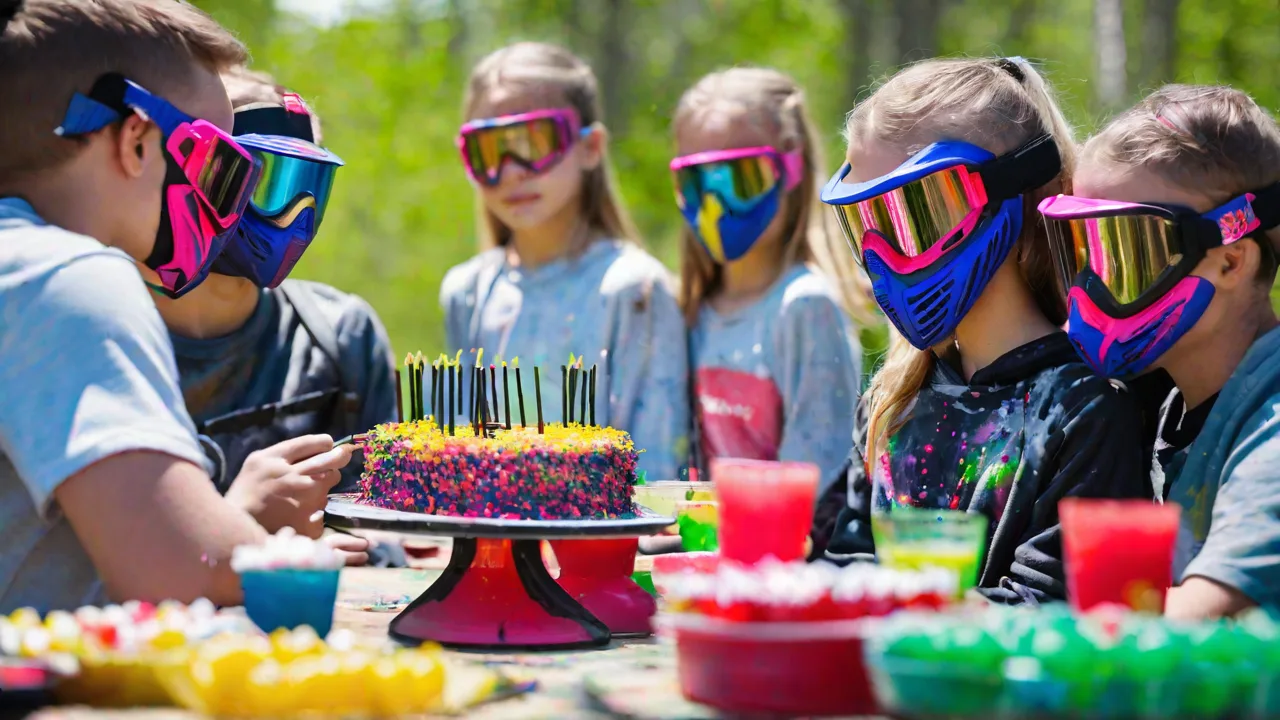
How to Host a Paintball Birthday Party for Kids and Teens
Choosing the Right Paintball Venue
The venue sets the entire tone of the party, influencing everything from safety to fun. Professional paintball fields offer specialized infrastructure, insurance, and trained staff that make the event both safe and exciting. When evaluating potential locations, consider the following factors carefully to match the venue to your group's age, size, and experience level.
Indoor vs. Outdoor Fields
Outdoor fields provide natural terrain, variable weather, and larger playing areas, which can make games feel more immersive and adventurous. Woods courses with bunkers, trenches, and barricades create a realistic tactical environment that older teens especially enjoy. Indoor facilities offer climate control, consistent lighting, and year-round availability — particularly valuable for winter or rainy-season parties. Many metropolitan areas have both options available within a reasonable drive. Check the field's surface (grass, turf, or packed dirt) and ask about field rotation if multiple groups are booked that day to ensure your party gets a fresh, clean playing area. Consider visiting the field in person before booking to inspect the condition of the bunkers and netting.
Age and Size Restrictions
Most paintball parks impose a minimum age of 10 or 12, though some host younger children with low-impact markers (often called ".50 caliber" paintballs) that reduce impact force significantly. These smaller paintballs travel at lower velocities, making them suitable for children as young as 8 at certain venues. Always verify the venue's age policy before inviting guests — you don't want to have to turn away a child on party day. Also ask about party size minimums and maximums. Some fields require at least 8 participants to book a private event, while others accommodate groups as small as 4. If your party is small, ask whether your group will be combined with other walk-in players or kept separate. Private groups are almost always preferred for birthday celebrations, as they keep the focus on your guests.
Birthday Package Inclusions
Typical party packages bundle equipment rental (marker, air tank, hopper), protective mask, field access, and a number of paintballs — often 500 or 1,000 per player. Higher-tier packages may add a referee dedicated to your group, a reserved party area with tables and chairs, and food add-ons like pizza or hot dogs. Compare packages from at least three different venues. Note whether paintballs are included or sold separately, as paint costs can quickly inflate the total budget if players run through rounds faster than expected. Ask about "paint paint" policies — some fields require you to purchase paint onsite, while others allow you to bring your own, a detail that can save up to 30 percent on costs. Also confirm the ratio of referees to players; one referee per 10 participants is a good minimum standard.
Party Room and Post-Game Amenities
A dedicated party room lets the group eat, open presents, and relax after gameplay. Look for a space with adequate seating, a sink or hand-washing station, and room for decorations. Some fields provide party hosts who coordinate the schedule so you can focus on the celebration rather than managing the clock. Confirm whether the room is included in the package or requires an additional fee — and whether you can bring your own cake and decorations. Some venues restrict outside food for liability reasons, so read the fine print in the contract. If a party room is not available, consider holding the post-game celebration at a nearby park or your home, provided you have a clear area for changing clothes and hand washing.
For a list of participant-rated fields near you, consult the Paintball Fields Directory which includes user reviews, age policies, and package details. Read recent reviews specifically about birthday parties to see how staff handled groups of children and teens.
Safety Protocols and Protective Gear
Safety is non-negotiable in paintball. The combination of high-speed projectiles and active movement requires rigorous adherence to protective standards. The field operator should enforce safety rules, but as the host, you reinforce them with your group. Establishing a safety-first mindset at the start sets the tone for a responsible, injury-free event.
Mandatory Protective Equipment
- Full-seal paintball mask: Must meet ASTM F1976 standard. Ensure each mask is free of cracks, has anti-fog lenses, and straps securely. No player ever removes their mask on the field — not even when they are "out" and walking off. Foggy lenses are a common complaint; bring an anti-fog spray or cloth to treat masks between games.
- Kill-switch or barrel sock: A barrel blocking device must be used whenever the player is not actively playing — while waiting, walking between stations, or inside the party room. This simple device prevents accidental discharge and is a non-negotiable rule at all reputable fields.
- Padded clothing: Thick pants and long-sleeved shirts reduce welts. Some venues rent or sell padded vests; others allow players to bring their own. Sweatshirts and cargo pants work well. Avoid thin athletic wear like leggings or basketball shorts that offer little protection.
- Gloves and closed-toe boots: Protect hands and feet from paint splatter and rough terrain. No sandals, crocs, or flip-flops allowed on the field. Gloves also protect the fingers from direct hits, which can be painful even with protective gear.
Remind guests to wear old clothes they do not mind staining. Paintball fill is water-based and washable, but some colors — especially dark blues and reds — can leave marks on lighter fabrics. A change of clothes for the ride home is a smart addition to every player's bag.
Referee Roles and Field Rules
Most reputable fields provide at least one referee per party. The referee enforces the "no blind firing" rule, monitors eliminations, and calls cease-fires when a player gets too close to a boundary or removes a mask. Brief all players before the first game. Establish that shooting someone at point-blank range is prohibited — a "surrender rule" should be in place, requiring the shooter to call out and give the opponent a chance to concede. Teach the mandatory phrase "paint check" when a player wants to verify whether an opponent is eliminated. The game stops instantly on a referee whistle. Emphasize that good sportsmanship matters more than winning. Establish clear consequences for arguing with a referee, deliberately overshooting eliminated players, or removing a mask on the field — one warning, then a time-out or removal from the next game.
Medical Preparedness
Have a basic first aid kit on site for minor scrapes, blisters, or paint-in-eye rinsing (despite masks, accidents happen). Additionally, know the location of the nearest urgent care or hospital and have the venue's address ready for emergency services. Consider including a parent or guardian who is CPR/First Aid certified. For participants with known allergies or medical conditions — such as asthma or severe allergic reactions — ensure they have their rescue inhaler or EpiPen accessible but stored safely away from the playing area. The kit should include adhesive bandages, sterile gauze, antiseptic wipes, tweezers, instant ice packs, and a small bottle of saline solution for eye rinsing. Assign a specific adult to monitor the first aid kit and check on any player who reports feeling dizzy, overheated, or unwell during breaks.
The Paintball Players Association Safety Page offers downloadable guidelines you can print and distribute to parents ahead of the event. Share these guidelines in the invitation packet so everyone arrives with the same expectations.
Structuring the Game Day
A well-organized game schedule keeps the energy level high and prevents downtime. Coordinate with the venue's party coordinator to create a timeline that includes equipment orientation, safety briefing, warm-up games, breaks, and the post-game celebration. A clear schedule printed and posted in the party room helps parents and guests know what to expect at each stage.
Game Modes to Keep Everyone Engaged
- Capture the Flag: Classic, team-based play. Two teams attempt to steal the opponent's flag from its base. Emphasize defensive strategy, communication, and coordinated movement. This mode works well for larger groups and rounds of 10 to 15 minutes.
- Elimination (Team Deathmatch): The last team standing wins. Quick rounds, high intensity — good for warming up and getting players accustomed to moving under the rules. Keep these rounds short, around 5 to 8 minutes, to avoid boredom on the sidelines.
- VIP Protection: One player is designated the VIP — often the birthday child. One team must protect the VIP from elimination while the other team tries to "tag" the VIP. This mode creates a clear narrative and gives the birthday child a central role. Rotate who plays VIP in later rounds so other guests get a turn.
- Zombie Mode: One player starts as a "zombie" and infects tagged opponents, who switch sides. Fun for large groups and encourages strategic alliances as players decide whether to run, hide, or confront the growing zombie team. This mode tends to produce the most laughter and memorable moments.
Mix modes throughout the day to keep the experience fresh. Start with elimination to warm up, move to capture the flag for the main session, and finish with a VIP or zombie round as the finale. Ask the referee which modes work best on the specific field layout.
Team Balancing and Fair Play
Divide players into teams of roughly equal size and skill level. If some guests have never played paintball before, place them with patient teammates who can offer guidance without dominating the action. Use brightly colored armbands or jerseys provided by the venue to differentiate sides. Rotate teams between rounds so no one feels stuck on a losing side. If there is a wide age gap — such as a mix of 10-year-olds and 16-year-olds — consider grouping by age range to keep the physical play balanced. Remind everyone that the goal is fun, not domination. Discourage trash talk, aggressive behavior, or targeting the same player repeatedly. A quick word from you before the first round about respect and inclusion goes a long way.
Session Length and Breaks
Typical party sessions last 3 to 4 hours total, with 60 to 90 minutes of actual gameplay spread across 4 to 6 rounds. Include at least two 10-minute hydration breaks between rounds. Set up a water station away from the playing field and instruct players to drink even if they do not feel thirsty. Dehydration can sneak up during high-intensity activity, especially on warm days or in indoor fields with limited airflow. After the final game, allow 30 minutes for gear cleanup, photos, and transition to the party room. Do not rush this transition — it is the perfect time for players to compare welts, recount their best shots, and bond over the experience. Encourage group photos with the birthday child in the middle, markers held proudly.
After the Games: Food, Cake, and Celebrations
The post-game party is when the birthday child truly shines. Plan for a comfortable, welcoming atmosphere where everyone can decompress, share war stories, and enjoy treats. The shift from adrenaline to celebration is what makes paintball parties memorable rather than just another game day.
Party Room Setup and Decorations
Use camouflage netting, military-style pennants, and green and black balloons to create a tactical theme. Set a table with the birthday cake or cupcakes, party favors, and a guest book for signing. If the venue allows, hang a "Happy Birthday" banner and place disposable cameras or a photo station with props such as paintball helmets, toy grenades, and themed signs saying "Paintball Champion" or "Survived the Field." Some fields offer pre-decorated party rooms — ask about options and whether you can bring additional decorations. Keep setup simple: a tablecloth in camouflage print, a centerpiece of paintball pods or used paintballs in a clear vase, and matching plates and napkins. Avoid streamers or dangling decorations that interfere with ceiling fans or overhead lights.
Catering and Dietary Considerations
Pizza, subs, and chicken nuggets are standard fare that appeals to most kids and teens. Confirm with the venue whether outside catering is permitted or if they require food from their concession. For those with allergies, request a gluten-free pizza or nut-free snacks. Provide water and sports drinks — avoid sugary sodas that can cause energy crashes after the physical exertion of gameplay. The birthday cake should be sturdy; a sheet cake is easier to serve than a tiered cake and less likely to suffer damage during transport. Include a candle-lighting moment with everyone singing — this is the classic birthday photo op. If the party room does not have a sink, bring wet wipes or paper towels for cleanup.
Party Favors and Goodie Bags
Favors reinforce the excitement and give guests a tangible reminder of the day. Consider items like a small bottle of paintballs (if allowed by the venue), a keychain, a temporary tattoo of a paintball splat, or a medal with "Paintball Champion" engraved. Many fields sell pre-made goodie bags, which saves time and ensures consistency. Alternatively, create DIY bags with a small notepad, a paintball-colored pencil, a sticker sheet, and a personalized thank-you note. Attach a "Most Valuable Player" sticker for each guest — perhaps based on a fun category like "Best Shot," "Best Strategy," or "Best Sportsmanship." Avoid candy or small plastic items that could be choking hazards for younger siblings at home. A simple thank-you card with a photo from the day can also make a powerful impression if you have the time to print them afterward.
Budget Planning and Cost-Saving Tips
Paintball parties can range from affordable to luxury depending on the package and player count. A clear budget helps keep costs transparent for both the host and attending families. Start by deciding a per-person maximum and then build the package around that number.
Breaking Down Typical Costs
- Venue package: $25 to $60 per player, often including equipment, paint, and field access.
- Extra paintballs: $10 to $20 per 500-count bag. Players in larger groups or longer sessions may need 1,000 to 2,000 paintballs each.
- Food and cake: $5 to $15 per person if provided by the venue; $3 to $8 per person if brought in from outside.
- Decorations and favors: $20 to $80 total, depending on how elaborate the setup.
- Optional add-ons: Dedicated trainers or extra referees, longer play time, photo and video packages — $50 to $150.
Ways to Save
- Book a weekday or early-morning slot — many fields offer off-peak discounts of 15 to 25 percent.
- Negotiate a flat rate for a small private group rather than paying per person; some field operators are flexible on pricing for parties under 8 players.
- Ask the venue if they allow guests to bring their own paintballs. Some do, saving up to 30 percent compared to buying onsite.
- Skip the party room add-on and hold a brief awards ceremony under a canopy or picnic table. Use the savings for extra paintballs or better favors.
- Assign a "party parent" or designate a responsible adult to manage the timeline, so you avoid overtime fees from running past your reserved time slot.
- Consider printing your own waiver forms rather than paying for venue copies, if the field allows electronic signatures ahead of the event.
Weather and Contingency Plans
Outdoor parties depend on cooperative weather. Always have a backup date or a rain policy written into your contract. Many venues will reschedule indoor field access if outdoor play is unsafe due to lightning, heavy rain, or extreme heat. For indoor fields, weather is rarely a problem, but confirm the backup policy in your contract regardless. If your party is outdoors, remind guests to dress in layers — mornings can be cool even in summer, and temperatures rise quickly by midday. Advise guests to bring a spare set of clothes for the ride home, especially if the field is muddy after rain. Check the forecast three days before the event and send a reminder to guests about expected conditions. If the field offers covered areas for breaks, confirm their availability in case of light rain during the party. Communicate your cancellation policy clearly in the invitation so families know what to expect if the weather forces a reschedule.
Invitations and Communication
Send digital invitations at least three weeks before the party. Include the date, time, venue address, dress code (old clothes, closed-toe shoes, no hoodies with drawstrings that could snag), and any liability waiver link. Many fields require parents to sign a waiver before the child plays; provide a printable version attached to the invitation. Also note if the party is strictly drop-off for older teens or if parents are welcome to stay and watch from a designated spectator area. Encourage RSVPs three days in advance to finalize paintball counts and confirm the package details with the venue. Create a group chat or email thread for last-minute updates — such as weather changes or room location changes — so no one misses important information. Include a map or directions to the venue, especially if it is off the beaten path. For younger children, recommend that parents accompany them to the venue for check-in even if they leave afterward; this ensures the child is comfortable and the waiver is properly signed.
For inspiration on invitation wording and party timeline templates, the Paintball Party Guide from Party City offers printable checklists and wording suggestions suited for different age groups.
Final Checklist for Hosts
- ✔ Confirm venue, date, package details, and deposit payment at least two weeks in advance.
- ✔ Send invitations with liability waivers, dress code instructions, and a clear RSVP deadline.
- ✔ Order cake, food, and party favors; verify any allergy accommodations with the venue or caterer.
- ✔ Prepare a small first aid kit and designate a medical point person among the attending adults.
- ✔ Pack a change of clothes, a towel, and a plastic bag for dirty gear for the birthday child.
- ✔ Arrive 30 minutes early to meet the venue coordinator, inspect the party room, and set up decorations.
- ✔ Brief all parents and players on safety rules before the first whistle — make it a group huddle.
- ✔ Take photos throughout the day, especially the cake moment, the post-game trophy presentation, and group shots on the field.
- ✔ Have a thank-you plan — a group message or follow-up email with a photo link can extend the celebration.
With careful planning and a focus on safety, a paintball birthday party delivers an unmatched blend of excitement, teamwork, and celebration. The adrenaline of the games gives way to shared laughter over pizza and cake, creating a milestone that kids and teens will remember not as another birthday, but as the day they conquered the field together. For additional resources on organizing children's paintball events, visit the Paintball Players Association Event Planning Page, which offers templates, safety handouts, and field evaluation checklists designed specifically for first-time party hosts.