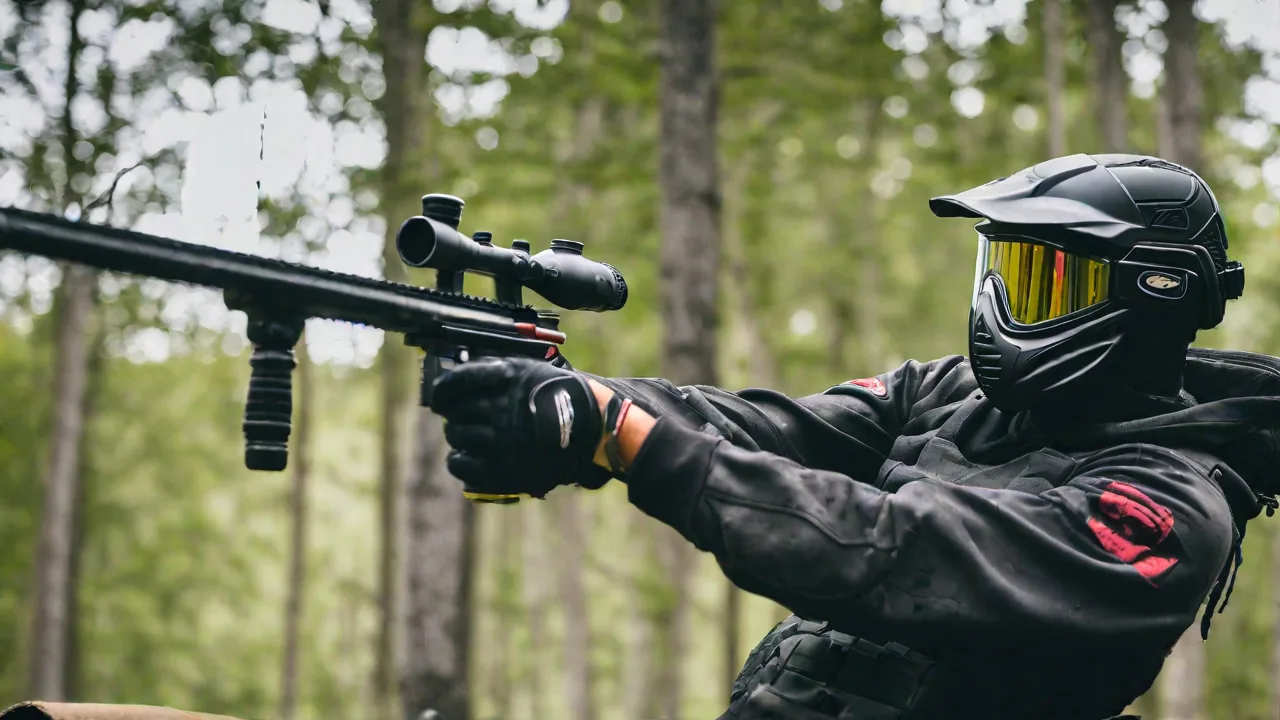
Best Ways to Recover and Rest After a Long Paintball Match
Participating in a long paintball match is an adrenaline-fueled experience that pushes both your body and mind to their limits. After hours of sprinting, dodging, crouching, and firing, your muscles are fatigued, your joints may ache, and your energy reserves are running on empty. Proper recovery and rest aren’t luxuries—they are essential components of any serious player’s routine. Without deliberate recovery, you risk injury, diminished performance in future games, and a slower return to peak form. This comprehensive guide covers the best science-backed methods to recover and rest after an intense paintball session, helping you bounce back faster and stronger.
The Importance of Post-Game Recovery
Recovery is the process by which your body repairs tissue, replenishes energy stores, and returns to a state of homeostasis after exertion. In a long paintball match, you continuously engage in short bursts of high-intensity movement, often in awkward postures—this combination stresses the muscular, cardiovascular, and nervous systems. Neglecting recovery can lead to chronic fatigue, overtraining syndrome, and a higher risk of musculoskeletal injuries. Beyond physical restoration, proper recovery also clears mental fog and sharpens your situational awareness for the next match.
Effective recovery in paintball mirrors principles used by athletes in other demanding sports. According to the American College of Sports Medicine, post-exercise recovery should address rehydration, glycogen replenishment, muscle repair, and neural relaxation. The strategies outlined below incorporate these pillars, tailored to the unique demands of paintball.
Hydrate Properly
Understanding Fluid Loss During Paintball
Paintball matches often last several hours, especially scenario games or tournaments with back-to-back sessions. In moderate to hot weather, you can lose one to two liters of sweat per hour. This fluid loss reduces blood volume, decreases thermoregulation, and impairs muscle function. Even mild dehydration (1-2% body weight loss) can negatively affect reaction time and decision-making—critical factors in paintball.
Beyond plain water, the type and timing of fluid intake matter. Electrolyte imbalance from heavy sweating can cause muscle cramps, fatigue, and dizziness. Recognizing early signs of dehydration—thirst, dry mouth, dark urine, or headache—helps you act before performance declines.
Best Practices for Rehydration
Start rehydrating immediately after the match ends. Water is your first-line choice, but for matches lasting more than 90 minutes, an electrolyte drink can be more effective. Electrolytes—especially sodium, potassium, and magnesium—are lost in sweat and need replacement to prevent cramping and restore proper nerve signaling. Look for drinks with around 20-30 grams of carbohydrate per serving to also kick-start glycogen replenishment. Avoid high-sugar sports drinks that can cause blood sugar spikes; instead, choose formulations with balanced electrolytes.
Drink slowly over the first hour post-game. Aim for 1.5 liters of fluid for every kilogram of weight lost (weighing before and after a match is a practical way to gauge fluid needs). Continue sipping water or an electrolyte beverage for the rest of the day. Avoid excessive alcohol, as it acts as a diuretic and impairs recovery hormone release. Similarly, caffeinated beverages in large amounts can have mild diuretic effects—moderate your intake.
External link: The American College of Sports Medicine provides detailed guidelines on rehydration after exercise.
Nutrition for Recovery
The Window of Opportunity
Immediately after exertion, your muscles are primed to absorb nutrients. The “anabolic window” lasts roughly 30-60 minutes post-exercise, during which consuming a combination of protein and carbohydrates maximizes muscle repair and glycogen restoration. In paintball, where you may have run, crawled, and carried gear, both your upper and lower body benefit from targeted nutrition. Delaying this window can slow recovery and prolong muscle soreness.
Macronutrient Essentials
Protein is crucial for repairing micro-tears in muscle fibers. Aim for 20-30 grams of high-quality protein within the first hour—examples include a protein shake, a chicken breast, Greek yogurt, or eggs. Whey protein isolate is rapidly absorbed, while casein provides a slower release for overnight recovery. Carbohydrates replenish depleted glycogen stores. Choose complex carbs like sweet potatoes, brown rice, or quinoa, combined with simple carbs (fruit) for faster absorption. The ratio of carbs to protein should be roughly 3:1 for optimal glycogen resynthesis. Healthy fats support hormone production and reduce inflammation; avocados, nuts, and olive oil are excellent sources, but keep fat intake moderate immediately post-game to avoid slowing digestion.
A sample post-paintball meal: grilled chicken with roasted vegetables, a side of quinoa, and a banana. For a quick option, blend a protein powder with milk or almond milk, a handful of spinach, and berries. Avoid large amounts of high-sugar processed foods, as they can cause energy crashes and promote inflammation.
Supplement Considerations
If your diet is well-rounded, whole foods are superior. However, some supplements can aid recovery: whey protein isolate for fast absorption, branched-chain amino acids (BCAAs) to reduce muscle soreness, and omega-3 fatty acids for their anti-inflammatory effects. Creatine monohydrate may also help with repeated sprint performance in subsequent matches. Always consult a medical professional before starting supplements, and note that quality and purity vary by brand.
External link: The Academy of Nutrition and Dietetics offers evidence-based guidance on sports nutrition and recovery meals.
Stretch and Cool Down
Why a Cool-Down Matters
Abruptly stopping after a high-intensity match can lead to blood pooling, dizziness, and increased muscle stiffness. A short cool-down of 5-10 minutes—walking at a slow pace followed by gentle dynamic stretching—helps gradually lower heart rate and clear metabolic waste from muscles. This also reduces the severity of delayed onset muscle soreness (DOMS) in the following days.
Targeted Stretches for Paintball Players
Paintball demands explosive lower-body movement, upper-body endurance (holding the marker, aiming), and rotational core strength. After cooling down, perform static stretches (hold 20-30 seconds each) focusing on:
- Quadriceps: Standing quad stretch, keeping knees close together.
- Hamstrings: Sitting or standing hamstring stretch, avoid rounding the back.
- Hip flexors: Lunge stretch (kneeling) with a slight pelvic tilt to deepen the stretch.
- Lower back: Child’s pose (yoga) or knees-to-chest on the ground.
- Shoulders and chest: Doorway pectoral stretch, arm-across-chest stretch for posterior deltoids.
- Neck: Gentle side tilts and rotations, holding each side without jerking.
Incorporate foam rolling before stretching to release trigger points. Roll slowly over calves, quads, glutes, and upper back, pausing on tender spots for 30 seconds. This self-myofascial release reduces soreness and improves mobility. For deeper work, use a lacrosse ball on glutes and shoulders.
When to Stretch
Dynamic stretches (e.g., walking lunges, leg swings, torso twists) are best before a match; static stretching is ideal after exercise when muscles are warm. Avoid bouncing or overstretching, as this can strain already fatigued tissues. Hold each stretch steady and breathe deeply to enhance relaxation.
Rest and Sleep
The Foundation of Recovery
No recovery protocol is complete without high-quality sleep. During deep sleep (slow-wave sleep), your body releases growth hormone, which directly stimulates muscle repair and tissue regeneration. Additionally, sleep consolidates motor learning and tactical memory—essential for improving paintball skills. A 2021 study in the Journal of Sports Sciences found that athletes who slept less than seven hours had slower reaction times and a higher injury rate. Sleep also regulates cortisol levels; insufficient sleep prolongs the stress response, delaying recovery.
Sleep Hygiene Tips for Paintball Players
- Consistent schedule: Go to bed and wake up at the same time, even on weekends, to anchor your circadian rhythm.
- Cool, dark room: Keep your bedroom temperature between 60–67°F (15–19°C). Use blackout curtains and a white noise machine if needed.
- Limit screen time: Blue light from phones, tablets, and TV suppresses melatonin. Stop using screens at least 30-60 minutes before bed. Consider blue-light blocking glasses if late-night use is unavoidable.
- Avoid stimulants: No caffeine after 2-3 PM. Alcohol disrupts REM sleep, so keep consumption minimal post-match. Nicotine also impairs sleep quality.
- Wind-down routine: Light reading, gentle stretching, or a warm bath (with Epsom salts for added muscle relaxation) signals your body to prepare for rest.
Aim for 7-9 hours of uninterrupted sleep after a long paintball day. If you feel sore upon waking, consider a brief morning walk or light yoga to promote blood flow and reduce stiffness.
External link: The Sleep Foundation offers detailed advice on optimizing sleep for athletic recovery.
Active Recovery and Muscle Care
Gentle Movement
Complete rest can sometimes hinder recovery by allowing muscles to stiffen. Active recovery—low-intensity exercise performed the day after a match—enhances blood circulation, reduces metabolic waste, and alleviates soreness. Good options include a 20-30 minute walk, easy cycling at a relaxed pace, or swimming. The intensity should be light enough that you can carry on a conversation without strain. Aim to keep your heart rate below 50% of maximum. This promotes lymphatic drainage and reduces muscle swelling without taxing the central nervous system.
Massage and Foam Rolling
Professional sports massage can break up adhesions and calm the nervous system. If you don’t have access to a therapist, daily self-massage with a foam roller or lacrosse ball is highly effective. Focus on the legs (especially calves and hamstrings), glutes, and back. For trigger points in the shoulders (common from holding a marker), a tennis ball against a wall works wonders. Spend at least 10 minutes rolling per major muscle group, using slow, controlled movements.
Cold and Heat Therapy
Cold therapy (ice baths, cold packs) reduces inflammation and numbs sore areas. Apply within 30 minutes of finishing the match for 10-15 minutes. Never apply ice directly to skin—use a towel barrier. Heat therapy (warm baths, heating pads) increases blood flow and relaxes tight muscles. Use heat 24-48 hours after the match if soreness persists, as it helps muscles relax and enhances tissue elasticity. Alternating cold and heat (contrast therapy) can also stimulate circulation: start with 3 minutes cold, then 2 minutes warm, repeat 3-4 times, ending with cold.
Mental Recovery and Preparation
Paintball is as mentally taxing as it is physical. Maintaining intense focus during a long game depletes cognitive resources, leading to “mental fatigue.” This can degrade decision-making and situational awareness in subsequent matches. To mentally recharge:
- Take time to debrief with teammates—talk through strategies and share highlights. This reinforces learning and reduces stress.
- Engage in a relaxing hobby unrelated to paintball, such as reading, listening to music, or spending time outdoors.
- Practice mindfulness or deep breathing for 5-10 minutes to lower cortisol levels. Box breathing (inhale 4 sec, hold 4, exhale 4, hold 4) is especially effective.
- Review game video (if available) calmly, without self-criticism, as a learning tool. Focus on one or two adjustments for next time.
- Write a short journal entry about the match—what went well, what you’d improve—to offload cognitive load.
Mental recovery is often overlooked but is critical for sustaining long-term enjoyment and performance in the sport. It also prevents burnout and keeps you motivated for future games.
Additional Tips for Faster Recovery
- Take contrast showers: Alternate warm and cool water every 30 seconds for 3-5 cycles to improve circulation and reduce muscle soreness. End with cool water.
- Wear compression garments: Compression pants or sleeves may reduce perceived muscle soreness and aid lymphatic drainage. Wear them for a few hours post-game or overnight. Research shows mixed results, but many athletes report subjective benefits.
- Avoid alcohol immediately after: Alcohol dehydrates, impairs protein synthesis, and disrupts sleep. Limit or skip alcohol on game days. If you do drink, rehydrate thoroughly first.
- Stay hydrated throughout the day: Don’t only drink water right after—sip fluids consistently for 24-48 hours post-match. Check urine color; pale yellow indicates adequate hydration.
- Check your gear: While resting, inspect your paintball marker, mask, and other equipment. A smooth cleaning routine connects the recovery mindset with future readiness. This also prevent mechanical issues in your next match.
- Listen to your body: If you feel sharp pain (not just general soreness), give yourself an extra rest day. Pushing through injury can sideline you for weeks. Use the RICE method (Rest, Ice, Compression, Elevation) for acute strains.
External link: The National Strength and Conditioning Association offers a peer-reviewed article on recovery strategies for athletes.
Long-Term Recovery Strategies
For players who compete frequently—weekly or even daily—incorporating periodic deload weeks can prevent overtraining. Every 4-6 weeks, reduce activity volume and intensity by 50% to allow full systemic recovery. Cross-training on off days (e.g., swimming, yoga) builds endurance and flexibility without repetitive strain. Also, schedule regular mobility sessions to address tight hips, shoulders, and lower back—areas commonly overworked in paintball. Investing in a professional assessment or physical therapy can identify imbalances before they become injuries.
Conclusion
After an epic paintball match—where you slid through bunkers, communicated with teammates, and maybe eliminated a few opponents—your body deserves intentional care. By prioritizing hydration, fueling with targeted nutrition, stretching mindfully, sleeping deeply, and engaging in active recovery, you set the stage for faster healing and better performance in your next game. Recovery isn’t a passive afterthought; it’s an active part of your training cycle. Implement these strategies consistently, and you’ll not only feel better after a long match but also elevate your game over the long run.
Remember, every player’s recovery needs vary. Experiment with different techniques to discover what works best for you. Stay tuned to your body’s signals, and keep having fun on the field—proper recovery ensures you can do what you love for years to come.