Table of Contents
Preparing for your first paintball game? One of the most common questions new players ask is exactly what they should wear on the field. While it might seem straightforward—just throw on some old clothes, right?—your attire choices significantly impact your comfort, protection, mobility, and overall enjoyment of the game.
Paintball clothing matters more than most beginners realize. The right outfit reduces pain from impacts, protects against scrapes and environmental hazards, keeps you comfortable through hours of physical activity, and can even provide tactical advantages through camouflage and concealment.
Paintball is an outdoor sport where you'll contend with varying weather conditions, challenging terrain, and the physical demands of running, crawling, diving, and dodging. Dressing appropriately transforms a potentially uncomfortable experience into an exhilarating adventure.
This comprehensive guide covers everything you need to know about what to wear for paintball, from head to toe, across different weather conditions and playing formats. Whether you're a complete beginner attending your first walk-on session or an experienced player refining your gear choices, you'll find valuable insights to enhance your paintball experience.
Why What You Wear to Paintball Matters
Before diving into specific clothing recommendations, understanding why attire matters helps you make informed decisions beyond simply following a checklist.
Pain Reduction and Impact Protection
Let's address the elephant in the room: getting hit by paintballs hurts. Not excruciatingly, but enough that repeated hits on bare skin or through thin fabric become uncomfortable and can affect your willingness to play aggressively.
A paintball traveling at 280 feet per second carries noticeable energy. When it impacts bare skin or thin clothing, you feel a sharp sting similar to a firm rubber band snap. The sensation is brief but memorable.
Appropriate clothing acts as padding, absorbing and distributing impact energy across a wider area. The difference between a hit on bare skin versus a hit through a thick hoodie is substantial—often the difference between a painful welt and barely noticing you were hit.
Impact factors affected by clothing:
- Direct pain at the moment of impact
- Bruise severity and duration
- Welt formation and size
- Your psychological comfort taking risks during play
Players who dress properly play more confidently, take more aggressive positions, and enjoy the game more because they're not constantly worried about painful hits.
Environmental Protection
Paintball fields present various environmental hazards beyond paintball impacts:
Terrain hazards:
- Rocks, sticks, and debris that scrape skin during slides and dives
- Thorns and brambles in wooded areas
- Rough surfaces of bunkers and obstacles
- Mud and standing water
Weather exposure:
- Sun exposure leading to burns and heat exhaustion
- Cold temperatures causing discomfort and reduced dexterity
- Rain and wet conditions
- Wind chill effects during winter play
Insect and plant hazards:
- Mosquitoes, ticks, and other biting insects
- Poison ivy, poison oak, and other irritating plants
- Spider webs and ground insects
Proper clothing creates a barrier against all these hazards, letting you focus on the game rather than environmental discomfort.
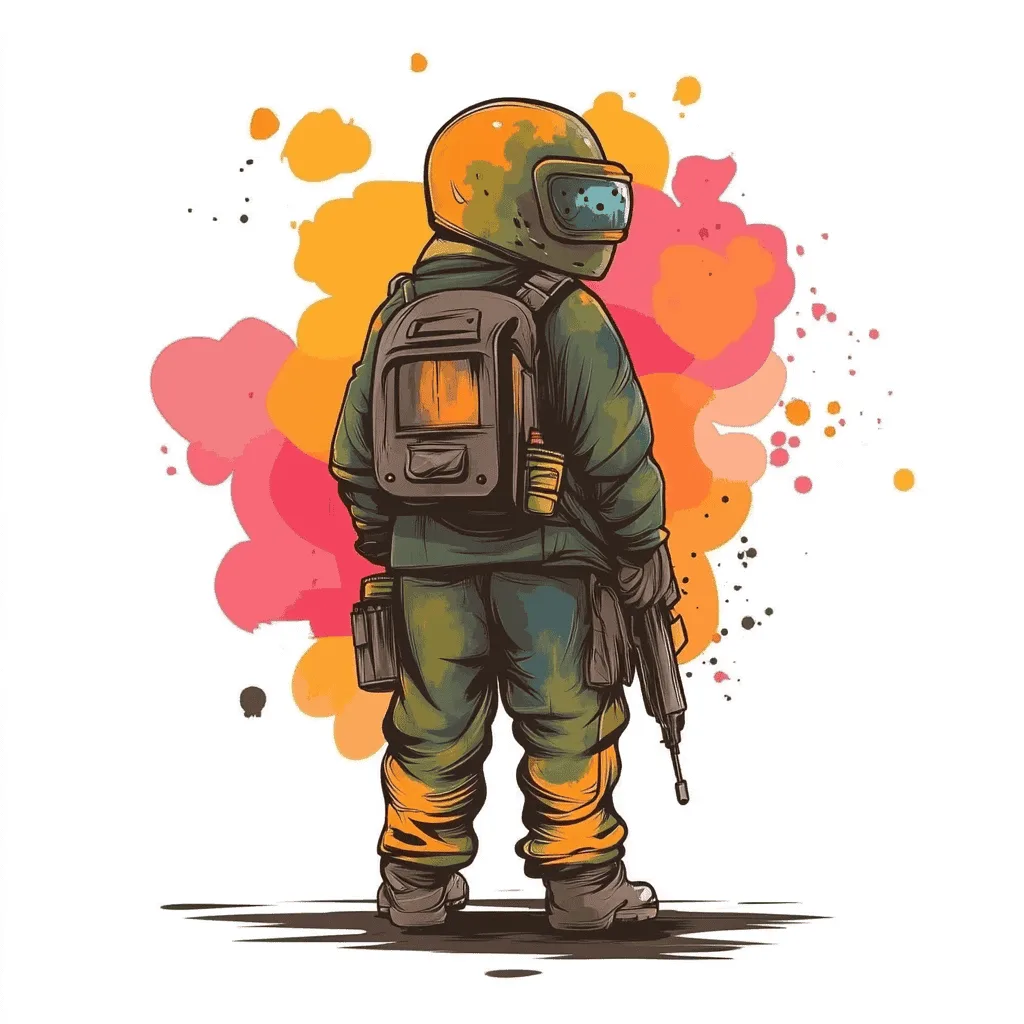
Mobility and Performance
Paintball demands athletic movement. You'll sprint between positions, dive behind cover, crawl under obstacles, and snap around bunkers to take shots. Your clothing either facilitates or hinders these movements.
Clothing that restricts movement:
- Too-tight pants limiting leg extension
- Stiff materials that don't flex naturally
- Oversized clothing catching on obstacles
- Heavy fabrics causing overheating and fatigue
Clothing that enhances movement:
- Flexible materials accommodating full range of motion
- Appropriate fit—not too tight, not too loose
- Breathable fabrics managing moisture and heat
- Lightweight construction reducing fatigue
The best paintball attire balances protection with mobility. Maximum padding means nothing if you can't move effectively to avoid being hit in the first place.
Temperature Regulation
Physical activity generates heat. Combined with protective clothing and adrenaline, overheating becomes a real concern, especially in warmer weather. Conversely, cold weather combined with periods of inactivity between games can leave you chilled.
Effective paintball clothing choices manage temperature through:
- Breathable materials allowing heat and moisture escape
- Layering systems you can adjust throughout the day
- Moisture-wicking base layers keeping sweat away from skin
- Appropriate insulation for cold conditions without overheating during activity
Poor temperature management leads to discomfort, reduced performance, and potentially dangerous conditions like heat exhaustion or hypothermia in extreme cases.
Tactical Considerations
In some paintball formats, particularly woodsball and scenario games, your clothing provides tactical advantages through concealment and camouflage.
Tactical clothing factors:
- Color and pattern blending with environment
- Reduced visual profile through earth tones
- Breaking up your silhouette through camouflage patterns
- Avoiding bright colors that attract attention
While less important in speedball (where everyone wears bright jerseys anyway), clothing choices can meaningfully affect your success in woodsball and scenario formats.
Essential Headwear for Paintball
Your head contains sensitive areas—ears, forehead, scalp—that are particularly painful when hit. While your mask protects your face, the rest of your head remains exposed without additional protection.
Why Head Protection Matters
Head hits are among the most painful in paintball. The skull lacks the padding of other body areas, and impacts resonate through the bone, creating intense but brief pain. Ear hits are especially notorious—the cartilage and thin skin provide minimal cushioning.
Beyond pain, head protection offers:
- Sweat management keeping moisture out of your eyes
- Hair containment preventing interference with your mask
- Sun protection for your scalp
- Warmth retention in cold weather
- Psychological comfort knowing your head is protected
Headwear Options
Beanies
Beanies are popular for paintball, especially in cooler weather. They cover your entire scalp, provide padding for impacts, and keep your head warm.
Beanie advantages:
- Complete scalp coverage
- Good impact absorption
- Warmth in cold weather
- Stays in place during movement
- Works well under mask straps
Beanie considerations:
- Can cause overheating in warm weather
- May feel restrictive for some players
- Less breathable than other options
Thin, breathable beanies work in moderate temperatures. Save thick wool beanies for winter play.
Headwraps and Bandanas
Headwraps and bandanas offer versatile head protection with good breathability. They're particularly popular in warm weather.
Headwrap advantages:
- Lightweight and breathable
- Absorbs sweat effectively
- Multiple wearing styles possible
- Easy to carry spares
- Inexpensive
Headwrap considerations:
- Less padding than beanies
- May shift during aggressive movement
- Provides less coverage than full beanies
Paintball-specific headwraps often include padding in key areas while maintaining breathability.
Backward Baseball Caps
A backward baseball cap provides some protection while maintaining airflow. The bill facing backward protects the back of your neck from sun and impacts.
Baseball cap advantages:
- Familiar and comfortable
- Good airflow
- Protects neck from sun
- Widely available
Baseball cap considerations:
- Limited coverage
- Minimal padding
- May interfere with some mask straps
- Can fall off during dives and slides
Forward-facing caps don't work—the bill interferes with your mask. Always wear caps backward if you choose this option.
Headbands
Headbands protect your forehead and absorb sweat, keeping moisture from dripping into your mask and eyes.
Headband advantages:
- Excellent sweat management
- Prevents mask fogging from forehead sweat
- Lightweight and breathable
- Affordable
- Easy to wash and replace
Headband considerations:
- Only protects forehead area
- No scalp protection
- May slide during play
Many players combine headbands with other headwear—a headband under a beanie, for instance—maximizing both sweat management and protection.
Paintball-Specific Headgear
Several companies manufacture headwear specifically designed for paintball, incorporating padding in impact zones while maintaining breathability and comfort.
Paintball headgear features:
- Strategic padding placement
- Moisture-wicking materials
- Secure fit designs
- Integration with mask straps
- Team and style customization options
These options cost more than generic headwear but offer superior paintball-specific functionality.
Headwear Recommendations by Weather
Hot weather: Lightweight headwrap or padded headband. Prioritize breathability over maximum coverage. Consider moisture-wicking materials.
Moderate weather: Thin beanie or comprehensive headwrap. Balance protection with comfort.
Cold weather: Thick beanie or thermal headwrap. Warmth becomes the priority—your mask seals in facial warmth, but exposed scalp loses heat rapidly.
Rainy conditions: Water-resistant headwear or quick-drying materials. Avoid cotton, which stays wet and uncomfortable.
Choosing the Right Paintball Clothing
Your core clothing—shirts, pants, and layers—forms the foundation of paintball attire. Getting these choices right makes everything else easier.
Upper Body Clothing
Base Layer Considerations
What you wear closest to your skin affects comfort throughout the day. The base layer manages moisture, provides initial padding, and determines how overlayers feel.
Moisture-wicking materials: Athletic shirts made from polyester or synthetic blends pull sweat away from your skin, keeping you drier and more comfortable. Cotton absorbs moisture and holds it against your skin, becoming heavy and uncomfortable.
Fit: Base layers should fit snugly without restricting movement. Too loose and they bunch under overlayers; too tight and they restrict breathing and movement.
Long sleeves vs. short sleeves: Long sleeves provide arm protection and sun coverage. Short sleeves are cooler but leave arms exposed. Consider your outer layers when choosing—if wearing a hoodie anyway, short sleeve base layers are fine.
The Classic Hoodie
Hoodies are paintball staples for good reason. The thick material absorbs impacts effectively, the hood provides head and neck protection, and they're readily available in everyone's closet.
Hoodie advantages:
- Excellent impact absorption
- Hood adds head/neck protection
- Familiar and comfortable
- Widely available and affordable
- Pockets for small items
Hoodie considerations:
- Can cause overheating in warm weather
- Hood may interfere with mask strap
- Cotton hoodies retain moisture
- May restrict movement if too thick
Athletic or performance hoodies made from moisture-wicking materials offer hoodie protection with better breathability.
Sweatshirts and Long-Sleeve Shirts
Sweatshirts without hoods offer similar protection to hoodies without the hood complications. Long-sleeve athletic shirts provide less padding but better mobility and temperature management.
Layering approach: In moderate temperatures, a long-sleeve moisture-wicking shirt under a lighter sweatshirt offers flexibility. Remove the sweatshirt if overheating; keep it on for protection.
Jerseys and Paintball-Specific Tops
Paintball jerseys and padded tops are designed specifically for the sport. They incorporate padding in key areas (shoulders, chest, arms) while using breathable, flexible materials throughout.
Paintball top features:
- Strategic padding placement
- Moisture-wicking materials
- Flexible construction
- Reinforced wear areas
- Team customization options
These options cost more than repurposing existing clothing but offer superior functionality for serious players.
Lower Body Clothing
Lower body protection matters significantly—your legs present large targets and contact the ground frequently during play.
Pants vs. Shorts
Shorts expose significant skin area to impacts, scrapes, and environmental hazards. Unless you're playing low-impact paintball in hot weather, pants are strongly recommended.
Why pants are essential:
- Large target area protection
- Knee protection during sliding and kneeling
- Protection when crawling
- Environmental hazard protection
- Reduced bruising on thighs and calves
Save shorts for non-paintball activities. Full-length pants are standard paintball attire.
Jean Options
Jeans offer decent protection due to their thick denim construction. They're readily available and most people own suitable pairs already.
Jeans advantages:
- Good impact absorption
- Durable construction
- Readily available
- Affordable (use old pairs)
Jeans considerations:
- Restrict movement when wet
- Heavy, especially wet denim
- No moisture wicking
- Can be hot in warm weather
- Some styles too tight for athletic movement
If wearing jeans, choose relaxed or athletic fits allowing full leg extension. Avoid skinny jeans—they restrict movement significantly.
Sweatpants and Joggers
Sweatpants and joggers offer comfort and flexibility, though padding varies by thickness.
Sweatpants advantages:
- Comfortable and flexible
- Good mobility
- Affordable
- Available in various thicknesses
Sweatpants considerations:
- Thinner options provide less padding
- Cotton versions retain moisture
- May snag on obstacles
- Less durable than other options
Athletic joggers with thicker construction work well for paintball. Thin cotton sweatpants provide minimal protection.
Cargo Pants and Work Pants
Cargo pants and sturdy work pants offer durability and practical features for paintball.
Cargo/work pant advantages:
- Durable construction
- Pockets for small items
- Reasonable protection
- Good mobility in most styles
Considerations:
- Quality varies significantly
- Some styles too stiff
- Can be warm in hot weather
Paintball-Specific Pants
Paintball pants incorporate padding in key areas (knees, thighs, hips) with breathable, flexible construction throughout.
Paintball pant features:
- Integrated knee padding
- Hip and thigh padding
- Reinforced wear areas
- Moisture management
- Secure fit during slides
- Often include belt loops for pod packs
For serious players, paintball-specific pants offer the best combination of protection and performance.
Layering Systems
Rather than one perfect outfit, consider paintball clothing as a layering system you adjust throughout the day based on activity level and conditions.
Base layer: Moisture-wicking, close-fitting material against skin. Manages sweat and provides smooth surface for overlayers.
Mid layer: Insulation and padding. Thickness varies by temperature—thick fleece for cold, light long-sleeve for warm.
Outer layer: Protection and weather resistance. Hoodies, jerseys, or jackets depending on conditions.
Adjustment strategy:
- Start cooler than you think necessary—you'll warm up quickly
- Add layers during breaks between games
- Remove layers if overheating during games
- Keep spare layers accessible for changing conditions
Field-Provided Coveralls and Overalls
Many paintball fields provide coveralls or overalls for players, especially for group events and beginners.
Why fields provide coveralls:
- Standardized protection for all players
- Protects players' personal clothing
- Reduces complaints from paint on clothes
- Creates uniform appearance for groups
Using field coveralls:
- Wear appropriate clothing underneath (they go over your clothes)
- Coveralls add warmth—dress lighter underneath than you would without them
- Check fit before playing—too large coveralls restrict movement
- Coveralls don't replace appropriate footwear—bring your own boots/shoes
Even with coveralls, proper base layers and footwear choices remain important.
Footwear: The Foundation of Your Paintball Experience
Footwear choices significantly impact both performance and safety. Ankle injuries are among the most common in paintball, making proper paintball footwear essential.
Why Footwear Matters So Much
Paintball fields feature challenging terrain:
- Uneven ground with holes and dips
- Muddy areas that grab at shoes
- Slopes and hills requiring traction
- Obstacles requiring climbing and maneuvering
- Debris that can cause trips and falls
Your footwear handles all this while supporting quick starts, stops, and direction changes during gameplay. Poor footwear choices lead to:
- Ankle sprains and twists from inadequate support
- Falls from inadequate traction
- Blisters from improper fit
- Foot discomfort affecting performance
- Ruined shoes from mud and paint
Ankle Support: The Critical Factor
Ankle injuries are among the most common paintball injuries. The combination of uneven terrain, aggressive movement, and fatigued legs creates perfect conditions for ankle twists and sprains.
High-top vs. low-top:
High-top footwear wrapping around and above the ankle provides significantly more support than low-top shoes. The additional material stabilizes the ankle joint, reducing injury likelihood during quick movements and on uneven ground.
Low-top shoes offer more flexibility but substantially less protection. Experienced players with strong ankles may prefer them, but beginners should prioritize support.
Recommendation: Choose high-top footwear unless you have specific reasons otherwise. The injury prevention alone justifies any mobility tradeoff.
Footwear Types for Paintball
Hiking Boots
Hiking boots are excellent for paintball, offering:
- Superior ankle support
- Rugged construction for rough terrain
- Good traction patterns
- Water resistance in many models
- Durability for repeated use
Hiking boot considerations:
- Break them in before playing—new boots cause blisters
- Heavier than athletic shoes
- May feel less agile than lighter options
- Quality varies significantly by price
For woodsball and scenario games on natural terrain, hiking boots are often the best choice.
Athletic Shoes and Trail Runners
High-top athletic shoes offer reasonable ankle support with lighter weight and more athletic feel.
Athletic shoe advantages:
- Lighter than boots
- More agile feel
- Often good traction
- Comfortable for all-day wear
- Widely available
Considerations:
- Less ankle support than boots
- Less durable
- Less water resistant
- May not handle rough terrain as well
Trail runners with high-top designs offer a good compromise—trail-appropriate traction with athletic shoe comfort.
Cleats
Cleats provide exceptional traction on grass and turf, making them popular for speedball played on groomed fields.
Cleat advantages:
- Superior traction on grass/turf
- Lightweight
- Athletic design for quick movement
- Many players already own them
Cleat considerations:
- Poor traction on hard surfaces
- Not suitable for rocky or rooted terrain
- No ankle support in most designs
- Can be uncomfortable on hard ground
Use cleats only on appropriate surfaces. They're excellent for speedball but problematic for woodsball.
Tactical and Military-Style Boots
Military-style boots offer extreme durability and support, though they're often heavier than necessary.
Tactical boot advantages:
- Very durable
- Excellent support
- Often water resistant
- Many affordable options available
Considerations:
- Heavy compared to alternatives
- May restrict ankle flexibility
- Overkill for recreational play
- Can be hot in warm weather
For scenario games with military themes, tactical boots match the aesthetic while providing solid performance.
What to Avoid
Sandals and open-toed shoes: Never wear these for paintball. Period. Your feet will be stepped on, hit by paintballs, scraped on obstacles, and exposed to terrain hazards. Open-toed footwear is typically prohibited at paintball fields.
Brand new shoes: New footwear causes blisters before properly broken in. Use footwear you've worn enough to confirm comfort. Alternatively, break in new paintball shoes before your first game.
Expensive or sentimental shoes: Paintball destroys shoes. Mud, paint, water, and general abuse take their toll. Use shoes you're willing to sacrifice.
Shoes with poor traction: Smooth-soled shoes slip on paintball terrain. Ensure your footwear has appropriate tread patterns.
Ill-fitting shoes: Shoes too large cause blisters and reduce control. Shoes too small cause pain and restricted circulation. Proper fit is essential.
Sock Considerations
Don't overlook socks—they significantly affect foot comfort and blister prevention.
Athletic socks: Moisture-wicking athletic socks keep feet drier and reduce blister formation.
Thickness: Moderate thickness provides cushioning without making shoes too tight. Avoid very thin dress socks.
Height: Crew-length or higher socks prevent shoes from rubbing against ankles and provide additional padding.
Spare socks: Bring extra socks. Wet socks cause blisters and discomfort—changing mid-day can save your feet.
Bringing Spare Footwear
After playing paintball, your shoes will be muddy, possibly paint-stained, and generally unpleasant for your vehicle and home.
Bring clean spare shoes for the trip home. Leave your paintball shoes outside to dry and clean later. Your car (and anyone riding with you) will appreciate this consideration.
Hand Protection: Gloves for Paintball
Hands are frequent targets in paintball—they hold your marker in exposed positions, grip bunkers when peeking, and present convenient targets for opponents. Additionally, hands are sensitive areas where impacts feel particularly sharp.
Why Gloves Matter
Impact protection: Knuckle hits rank among the most painful in paintball. The thin skin and bone structure provide minimal natural padding. Gloves absorb impact energy, dramatically reducing pain.
Grip improvement: Quality gloves enhance your grip on your marker, especially when hands get sweaty or conditions are wet.
Environmental protection: Gloves protect against splinters, rough surfaces, cold temperatures, and other hazards.
Blister prevention: Extended play can cause blisters on trigger fingers and grip hands. Gloves prevent this friction damage.
Choosing Paintball Gloves
Key features to consider:
Finger dexterity: You need trigger control and fine motor function. Bulky gloves that impair finger movement hurt your shooting more than they help your comfort.
Fit: Gloves should fit snugly without being tight. Too loose and they bunch, affecting grip; too tight and they restrict circulation and movement.
Padding placement: The best paintball gloves concentrate padding on impact zones (knuckles, back of hand) while keeping palms and finger pads thin for sensitivity.
Breathability: Hands sweat significantly during physical activity. Breathable materials improve comfort.
Palm grip: Textured or rubberized palms improve grip on your marker and bunkers.
Glove Types
Paintball-Specific Gloves
Purpose-built paintball gloves offer the best combination of protection and functionality.
Features:
- Strategic padding on impact zones
- Thin, flexible finger construction
- Grippy palm materials
- Breathable back panels
- Secure wrist closures
These typically cost $20-$60 but provide superior functionality for paintball specifically.
Mechanix Work Gloves
Mechanix and similar work gloves have become popular in paintball for their combination of protection, dexterity, and reasonable cost.
Advantages:
- Good finger dexterity
- Durable construction
- Reasonable padding
- Widely available
- Affordable ($15-$35)
Considerations:
- Less padding than paintball-specific options
- Not designed specifically for paintball
- Some styles better than others
The Mechanix M-Pact line and similar padded work gloves work well for paintball.
Batting Gloves
Baseball batting gloves offer good grip and some padding at low cost.
Advantages:
- Excellent grip
- Good finger feel
- Affordable
- Widely available
Considerations:
- Limited knuckle protection
- Less durable for paintball use
- May wear quickly
Batting gloves work as budget options but provide less protection than purpose-built alternatives.
Football Receiver Gloves
Receiver gloves offer exceptional grip and reasonable finger dexterity.
Advantages:
- Outstanding grip
- Good finger sensitivity
- Lightweight
Considerations:
- Minimal padding
- Less durable
- May be expensive
These work for players prioritizing grip over protection.
Full-Finger vs. Fingerless
Full-finger gloves protect your entire hand, including fingertips. They provide maximum protection but may slightly reduce trigger sensitivity.
Fingerless gloves leave fingertips exposed for maximum sensitivity but sacrifice some protection. Popular among experienced players comfortable with the tradeoff.
Recommendation: Start with full-finger gloves. The protection matters more for beginners than marginal sensitivity improvements. As you develop preferences and skills, you can experiment with fingerless options.
Sizing and Fit
Glove fit matters tremendously:
Measure your hand: Most manufacturers provide sizing guides based on hand circumference around the palm.
Try before buying: If possible, try gloves before purchasing. Fit varies between brands and styles.
Avoid too-large gloves: Oversized gloves bunch, reduce grip, and impair trigger control. Better to err slightly small than large.
Break-in period: Some gloves require break-in time to reach optimal comfort and flexibility.
Dressing for Weather Conditions
Weather significantly affects your paintball clothing choices. What works perfectly in spring may be miserable in summer or inadequate in winter.
Hot Weather Paintball (Above 80°F / 27°C)
Heat management becomes the primary concern in hot weather. Overheating causes:
- Reduced performance and reaction time
- Excessive fatigue
- Heat exhaustion risk in extreme cases
- Discomfort that detracts from enjoyment
Hot weather clothing strategy:
Light colors: Dark colors absorb more heat. In hot weather, lighter colors reflect sunlight, keeping you cooler.
Breathable materials: Choose moisture-wicking synthetic materials over cotton. Breathability is more important than padding thickness.
Minimal layering: Use the minimum layers necessary for protection. One light long-sleeve layer may suffice.
Loose fit: Loose-fitting clothes allow airflow and heat escape.
Ventilation: Choose clothing with mesh panels or ventilation zones if available.
Hot weather clothing recommendations:
- Light-colored, moisture-wicking long-sleeve shirt
- Lightweight athletic pants or thin cargo pants
- Breathable headband or lightweight headwrap
- Thin, breathable gloves or fingerless options
- Well-ventilated footwear
Hydration: Hot weather requires aggressive hydration. Drink water constantly, not just when thirsty. Take shade breaks between games.
Recognizing heat problems: Watch for dizziness, nausea, excessive sweating followed by no sweating, or confusion. These indicate heat exhaustion requiring immediate rest, shade, and hydration.
Moderate Weather Paintball (50-80°F / 10-27°C)
Moderate temperatures offer the most flexibility in clothing choices. You can prioritize protection and functionality without extreme temperature management concerns.
Moderate weather strategy:
Layering: Use multiple light layers you can add or remove as conditions change throughout the day.
Balanced protection: Standard recommendations apply—hoodies, athletic pants, appropriate footwear.
Preparation for variation: Morning and evening may be cooler than midday. Bring options for the full temperature range.
Moderate weather recommendations:
- Moisture-wicking base layer
- Hoodie or medium-weight long-sleeve shirt
- Standard athletic or cargo pants
- Beanie or headwrap depending on preference
- Standard paintball gloves
- Hiking boots or athletic high-tops
Cold Weather Paintball (Below 50°F / 10°C)
Cold weather presents opposite challenges from heat—maintaining warmth without overheating during activity.
Cold weather challenges:
- Staying warm during inactive periods
- Not overheating during games
- Maintaining finger dexterity in cold
- Managing moisture from sweat
Cold weather clothing strategy:
Moisture-wicking base layer: Crucial in cold weather. Sweat against skin in cold conditions rapidly chills you. Wicking base layers keep moisture away from skin.
Insulating mid layers: Fleece or synthetic insulation mid layers trap warmth. Choose thickness appropriate for temperature.
Wind-resistant outer layer: Wind dramatically increases heat loss. Windproof outer layers maintain warmth.
Avoid cotton: Cotton absorbs moisture and holds it against skin—dangerous in cold weather. Use synthetic or wool materials throughout.
Extremity protection: Hands, feet, and head lose heat rapidly. Ensure adequate protection for these areas.
Cold weather recommendations:
- Synthetic or merino wool base layers (top and bottom)
- Fleece mid layer
- Windproof jacket or hoodie
- Insulated or lined pants
- Thick beanie covering ears
- Insulated paintball gloves
- Insulated boots with moisture-wicking socks
Managing activity levels: You'll warm up significantly during games. Dress for comfortable warmth during inactive periods—you can always unzip or remove layers if overheating during play.
Wet Weather Paintball
Rain and wet conditions require specific considerations beyond temperature management.
Wet weather challenges:
- Staying dry (or drying quickly)
- Maintaining traction on slippery surfaces
- Keeping equipment functional
- Preventing hypothermia in cool-wet conditions
Wet weather strategy:
Quick-drying materials: Synthetic materials dry much faster than cotton. Even when wet, they continue providing some insulation.
Water-resistant outer layer: A water-resistant jacket keeps precipitation off while allowing sweat escape.
Appropriate traction: Wet surfaces are slippery. Ensure footwear has appropriate tread.
Spare clothing: Bring dry change of clothes. Extended wet-clothing wear causes discomfort and potential health issues.
Wet weather recommendations:
- Synthetic base and mid layers
- Water-resistant outer jacket
- Quick-dry pants (avoid jeans—wet denim is miserable)
- Waterproof or water-resistant boots
- Quick-dry gloves or spare dry pair
- Hat or hood to keep rain off mask
Accept being wet: In sustained rain, you'll get wet regardless of preparation. Focus on maintaining core warmth rather than staying completely dry.
Wind Considerations
Wind amplifies cold through wind chill and can make moderate temperatures feel much colder.
Windy condition adjustments:
- Add windproof outer layer
- Ensure no gaps where wind enters clothing
- Protect neck with high collar or neck gaiter
- Use thicker gloves
- Consider balaclava or face covering under mask
Transitional Weather
Spring and fall often feature significant temperature swings throughout the day.
Transitional weather strategy:
- Prepare for the full range of expected temperatures
- Bring more layers than you think necessary
- Leave spare layers accessible in your gear bag
- Adjust actively throughout the day
Tactical Clothing Choices: Colors, Patterns, and Camouflage
In some paintball formats, your clothing provides tactical advantages through concealment and camouflage.
When Color Matters
Woodsball and scenario games: In natural environments, earth tones and camouflage patterns help you blend with surroundings. Being harder to spot provides genuine competitive advantage.
Speedball: On artificial turf with inflatable bunkers, concealment is largely irrelevant. Players typically wear bright team jerseys, and field sizes are small enough that everyone's position is generally known.
Recreational play: The importance of color varies by field type. Natural terrain fields favor darker colors; artificial fields make color choice purely aesthetic.
Effective Color Choices
Earth tones: Browns, greens, tans, and grays naturally blend with outdoor environments. These are universally effective in wooded and natural settings.
Black: Common choice, but black often stands out against natural backgrounds (which are rarely truly black). Works better in shadowed areas.
Camouflage patterns: Military camouflage patterns designed to match specific environments (woodland, desert, urban) can be highly effective when matched appropriately.
Dark colors generally: Even without specific camouflage, dark colors (navy, dark green, dark brown) are harder to spot than bright colors.
Colors to Avoid
White and light colors: Highly visible against virtually any outdoor background. Also show paint stains more visibly.
Bright colors: Neon, orange, red, and yellow attract attention. Save these for situations where visibility is desired.
Solid blocks of color: Large areas of single color catch the eye more than broken patterns. Even mismatched dark colors break up your outline.
Camouflage Pattern Selection
If using camouflage, match your pattern to your environment:
Woodland patterns: Greens and browns suit forests and vegetated areas.
Desert patterns: Tans and browns suit arid environments and dried-out fields.
Urban/digital patterns: Grays and mixed digital patterns suit industrial or urban-themed fields.
Universal patterns: Some modern patterns (like MultiCam) attempt to work across multiple environments with varying effectiveness.
Seasonal considerations: Green-heavy patterns work in summer; brown-heavy patterns suit fall and winter when vegetation dies back.
Breaking Up Your Silhouette
Beyond color, how clothing breaks up your human outline affects concealment.
Strategies:
- Mix slightly different shades rather than uniform color
- Use patterns rather than solid colors
- Consider ghillie accessories for extreme concealment (scenario games)
- Vary your textures when possible
For recreational play, don't overthink tactical clothing. Dark colors are generally fine. Save advanced camouflage consideration for competitive woodsball or scenario games where concealment meaningfully impacts outcomes.
Protective Accessories and Additional Gear
Beyond basic clothing categories, several accessories enhance protection and comfort.
Neck Protection
The neck is sensitive and often exposed. A direct throat hit is extremely painful and potentially dangerous.
Neck protection options:
High collars: Hoodies and jackets with high collars provide passive protection.
Neck protectors/guards: Purpose-built paintball neck guards wrap around your throat and neck, providing targeted protection.
Neck gaiters/buffs: Multi-use tube fabric can cover your neck while also serving as a headband or face covering.
Balaclavas: Full face/neck coverings provide comprehensive protection, popular in cold weather.
Chest and Torso Protection
While clothing provides some torso protection, additional padding is available for players wanting more.
Chest protectors: Similar to motocross chest protectors, these provide hard or padded protection over vital areas. Popular with younger players and those particularly concerned about impact pain.
Padded shirts: Some paintball-specific shirts incorporate padding throughout, offering protection without separate armor.
Who benefits from extra torso protection:
- Younger players
- Those particularly sensitive to pain
- Players recovering from injuries
- Front players taking frequent close-range hits
Knee Pads
Sliding, kneeling, and diving make knee protection valuable, especially on hard or rough surfaces.
Built-in knee pads: Many paintball pants include integrated knee padding—the most convenient option.
Separate knee pads: Volleyball, skateboarding, or paintball-specific knee pads work well. Ensure they stay in place during movement.
When to use knee pads:
- Playing on hard surfaces
- Aggressive playing style with frequent slides
- Fields with concrete or hard bunkers
- Any time you want knee comfort during kneeling
Elbow Pads
Elbow pads protect when crawling, sliding, or diving onto hard surfaces.
Options:
- Integrated padding in shirts or sleeves
- Volleyball or skateboarding elbow pads
- Paintball-specific arm pads
Groin Protection
For male players, a direct groin hit is memorable for all the wrong reasons. Athletic cups provide protection but aren't universally worn.
When to consider groin protection:
- Playing aggressive front positions
- Close-quarters games with lots of point-blank shooting
- If the prospect particularly concerns you
Forearm Guards
Forearm hits hurt substantially, and forearms are frequently exposed when shooting. Paintball-specific forearm guards or arm pads provide targeted protection.
Post-Game Care: What to Do With Paint-Stained Clothes
Paintball paint is designed to be washable, but proper handling ensures your clothes survive intact.
Are Paintballs Washable?
Yes, paintballs are specifically designed to be washable. The fill is water-soluble and biodegradable, formulated to wash out of clothing and off equipment without permanent staining.
Key points about paintball paint:
- Water-soluble formulation
- Biodegradable materials
- Non-toxic ingredients
- Designed to wash out of most fabrics
- Washes off skin and hair easily
Washing Paint-Stained Clothes
Immediate steps:
- Remove paint-soaked clothing before it dries completely
- Rinse with cold water to remove excess paint
- Don't let paint dry on fabric if possible
Washing instructions:
- Pre-treat heavy stains with stain remover or dish soap
- Wash in cold water (hot water can set some stains)
- Use regular detergent
- Check stains before drying—heat sets stains
- Rewash if necessary before drying
Fabric considerations:
- Cotton and synthetic blends typically wash clean easily
- Some dyes on cheap clothing may interact with paint
- White fabrics may retain slight discoloration from certain paint colors
- Technical fabrics with water-resistant coatings may hold paint longer
Paint on Skin and Hair
Paintball paint washes off skin and hair with regular soap and water. It may take a few minutes of scrubbing for heavy coverage, but it will come off.
Tips:
- Shower soon after playing for easiest cleaning
- Dried paint takes longer to remove but still washes off
- Use regular shampoo for paint in hair
- Some colors may leave temporary slight tinting on very fair skin
Protecting Clothes You Care About
The best strategy is simply not wearing clothes you care about to paintball. Despite paint being washable, the combination of paint, mud, sweat, and general abuse takes its toll.
Recommendation: Designate "paintball clothes" that you're willing to sacrifice. Thrift stores provide excellent sources for inexpensive paintball attire.
Leaving Jewelry and Valuables at Home
Paintball is an active, physical sport incompatible with jewelry and valuables.
Why Jewelry Is Problematic
Damage to jewelry:
- Rings can be bent or scratched
- Necklaces can break during physical activity
- Watches can be damaged by impacts
- Earrings can be torn out
Injury risk:
- Rings can catch on equipment or obstacles
- Necklaces can strangle if caught
- Earrings can be painfully pulled
- Piercings can be struck directly
Loss risk:
- Items fall off during aggressive movement
- Small items lost in mud and vegetation are rarely recovered
- Distraction of protecting valuables detracts from gameplay
What to Remove
Remove before playing:
- All rings (including wedding bands)
- Watches and fitness trackers
- Necklaces and chains
- Earrings and facial piercings (if possible)
- Bracelets and wristbands
- Any other accessories that could snag, break, or injure
Securing Valuables
Most paintball facilities provide:
- Lockers (sometimes for rent)
- Secure staging areas
- Lost-and-found services
Best practice: Leave valuables in your locked vehicle or at home. Don't bring anything to the field you're not prepared to lose or damage.
Bring Anti-Inflammatory Cream and First Aid Supplies
Paintball inevitably causes minor bumps, bruises, and welts. Being prepared for post-game soreness improves your recovery.
Post-Game Soreness
After playing paintball, expect:
- Bruises from paintball impacts
- Minor welts that fade within days
- General muscle soreness from physical activity
- Potential scrapes from slides and falls
Helpful Supplies to Bring
Anti-inflammatory cream/gel: Topical anti-inflammatory products (like Arnica or similar) can reduce bruising and swelling when applied after playing.
Pain relievers: Ibuprofen or similar OTC pain relievers help with soreness. Take as directed on packaging.
First aid basics: Bandages, antiseptic wipes, and similar supplies handle minor scrapes and cuts.
Ice packs: For more significant impacts, ice reduces swelling and bruising.
When to Seek Medical Attention
Paintball injuries are typically minor, but seek medical attention for:
- Eye injuries (should never happen with proper mask use)
- Severe pain that doesn't improve
- Injuries affecting joints or bones
- Signs of infection in wounds
- Any injury you're concerned about
Complete Paintball Clothing Checklist
Use this checklist to prepare for your paintball session:
Head:
- [ ] Beanie, headwrap, or headband
- [ ] Baseball cap (optional, worn backward)
Upper Body:
- [ ] Moisture-wicking base layer shirt
- [ ] Hoodie, sweatshirt, or long-sleeve shirt
- [ ] Additional layers for cold weather (if needed)
Lower Body:
- [ ] Long pants (jeans, cargo pants, or athletic pants)
- [ ] Moisture-wicking base layer bottoms (for cold weather)
- [ ] Knee pads (optional)
Feet:
- [ ] Athletic socks (moisture-wicking preferred)
- [ ] High-top boots or athletic shoes with ankle support
- [ ] Spare socks
- [ ] Clean shoes for trip home
Hands:
- [ ] Paintball gloves or work gloves
Optional Protection:
- [ ] Neck protector
- [ ] Chest protector (for youth or extra-cautious players)
- [ ] Elbow pads
- [ ] Athletic cup (for male players)
Support Items:
- [ ] Spare layers in gear bag
- [ ] Change of clothes for after playing
- [ ] Anti-inflammatory cream
- [ ] First aid supplies
- [ ] Sunscreen (for outdoor play)
Frequently Asked Questions About Paintball Attire
Can I wear shorts and a t-shirt to paintball?
You can, but you shouldn't. Exposed skin takes the full impact of paintball hits, resulting in more painful welts and bruises. Long pants and long sleeves are strongly recommended for protection and comfort. The minor warmth tradeoff is worth the significant pain reduction.
Do I need to buy special paintball clothes?
No. While paintball-specific clothing offers benefits, beginners can use regular athletic wear effectively. Old jeans, hoodies, and athletic shoes work fine. As you play more and develop preferences, you might invest in specialized gear, but it's not necessary to start.
What colors should I avoid wearing?
Avoid bright colors (especially white, yellow, orange, and neon shades) for outdoor woodsball games where camouflage matters. These colors make you easier to spot and target. For speedball on artificial fields, color matters less. Light colors also show paint stains more prominently.
Do paintballs stain clothes permanently?
No. Paintballs are specifically designed with water-soluble, washable fill. Most paint washes out completely with normal laundering. Wash clothes in cold water and avoid drying until stains are removed (heat can set stains). Some very cheap clothing dyes may interact with paint, but this is uncommon.
Should I bring extra clothes?
Yes. Bring a complete change of clothes including shoes for your trip home. Your paintball clothes will be dirty, sweaty, and paint-stained. Clean clothes for the drive home keep your car cleaner and make your post-game experience more pleasant.
Are there age-specific clothing recommendations?
Younger players often benefit from additional padding due to lower pain tolerance. Youth chest protectors, padded shirts, and other protective gear help make the experience more enjoyable. Otherwise, the same general recommendations apply to all ages—cover skin, wear layers, protect hands, and support ankles.
How do I dress for a paintball party at a commercial field?
Commercial fields typically provide masks, markers, and often coveralls. Wear comfortable base layers underneath coveralls (t-shirt and shorts are fine under coveralls since they provide the outer protection). Bring appropriate footwear—fields don't usually provide shoes. Wear clothes you don't mind getting dirty in case coveralls don't fully cover you.
What do professional paintball players wear?
Professional speedball players wear purpose-built paintball jerseys, padded pants with integrated knee protection, cleats, and high-end gloves. Their attire prioritizes mobility, padding in key areas, team branding, and performance features. Recreational players don't need this level of specialized gear but can work toward it as interest increases.
Can I wear my regular workout clothes?
Athletic wear generally works well for paintball. The moisture-wicking properties help with sweat management, and the flexible construction allows free movement. Just ensure adequate coverage—regular shorts and sleeveless tops leave too much skin exposed. Athletic long pants and long-sleeve shirts work excellently.
Should I wear camouflage?
For woodsball and scenario games on natural terrain, camouflage provides genuine tactical advantage by making you harder to spot. For speedball or recreational play on artificial fields, camouflage is purely aesthetic and doesn't affect gameplay. Wear whatever you prefer in those settings.
Conclusion: Dress for Success on the Paintball Field
What you wear to paintball directly impacts your comfort, protection, performance, and enjoyment. The right attire allows you to focus on the game rather than discomfort from impacts, weather, or environmental hazards.
Key takeaways:
Cover your skin. Long pants, long sleeves, and gloves protect against the majority of impact pain and environmental hazards. There's no good reason to leave significant skin exposed.
Prioritize ankle support. Ankle injuries are among the most common in paintball. High-top boots or athletic shoes with proper ankle support prevent injuries that could sideline you for weeks.
Dress in layers. Adjustable layering systems let you adapt to changing conditions throughout the day. Start slightly cool—you'll warm up quickly during games.
Match your clothing to conditions. Hot weather requires breathable, light-colored options. Cold weather demands insulation and moisture management. Rain requires quick-drying materials.
Protect your hands. Gloves dramatically reduce pain from knuckle hits while improving grip on your marker. They're among the most valuable pieces of paintball attire.
Bring spare clothing. Clean clothes for the trip home, spare socks for wet conditions, and additional layers for weather changes all contribute to a better overall experience.
Don't overthink it. For your first game, old jeans, a hoodie, athletic shoes, and work gloves will serve you well. Specialized gear can come later as you develop preferences and commitment to the sport.
The perfect paintball outfit balances protection, mobility, comfort, and weather appropriateness. There's no single right answer—experiment, learn your preferences, and build your paintball wardrobe over time.
Now that you know how to dress for paintball, grab your old hoodie, lace up those boots, and get out on the field. The only thing left is to have fun!
Additional Resources
For more information about paintball gear and preparation:
- Beginner's Guide to Paintball Equipment - Comprehensive overview of essential paintball gear and what to expect
- Paintball Safety Guidelines and Best Practices - Important safety information from the Paintball Players Association
