Table of Contents
Paintball combines the strategic depth of chess with the physical intensity of competitive athletics, creating an experience unlike any other recreational activity. Players navigate complex terrain, coordinate team tactics, and engage in fast-paced competition—all while colorful projectiles fly through the air at speeds approaching 300 feet per second. Given this description, you might expect paintball to rank among the most dangerous recreational activities available. Yet statistical evidence consistently places paintball among the safest extreme sports, with injury rates lower than common activities like basketball, soccer, and even bowling.
This remarkable safety record doesn't happen by accident. It results from comprehensive rules and regulations developed over four decades of organized play, refined through experience, and enforced consistently across thousands of paintball facilities worldwide. These rules address everything from mandatory safety equipment to proper player conduct, from velocity limits that protect against serious injury to surrender protocols that promote sportsmanship. Understanding these rules isn't just about avoiding penalties—it's about participating in a community that prioritizes player welfare while delivering genuinely thrilling competition.
Whether you're preparing for your first paintball experience or you're a seasoned player looking to deepen your understanding of the sport's regulatory framework, this comprehensive guide covers everything you need to know. From universal safety requirements that apply everywhere paintball is played to specialized tournament regulations that govern competitive events, you'll gain the knowledge needed to play safely, fairly, and confidently in any paintball environment.
Why Paintball Is Considered One of the Safest Extreme Sports
Before examining specific rules, understanding why paintball earns its safety reputation helps contextualize the importance of following regulations. The sport's safety record results from the interplay between equipment design, rule enforcement, and player culture—all working together to minimize risk while maximizing enjoyment.
The Statistical Reality of Paintball Safety
Insurance industry data consistently ranks paintball among the safest sports activities available. According to research compiled by the Sports and Fitness Industry Association, paintball injury rates fall well below those of mainstream sports that most people consider relatively safe. The injury rate per participant is lower than football, basketball, baseball, soccer, and numerous other popular activities.
This safety extends even to comparison with non-contact recreational activities. Studies have shown paintball's injury rate compares favorably to golf, tennis, and swimming. When people express surprise at paintball's safety record, it typically reflects unfamiliarity with the sport rather than any genuine risk assessment.
Several factors contribute to this excellent safety profile. Mandatory protective equipment, particularly masks, prevents the most serious potential injuries. Strict velocity limits ensure paintballs cannot cause dangerous impacts. Supervised play with trained referees catches unsafe behavior before injuries occur. And a player culture that emphasizes safety consciousness reinforces official rules through peer pressure and community standards.

How Rules Create Safety
Paintball's safety regulations form an interconnected system where each rule supports others. Mask requirements protect players from facial injuries that could occur from high-velocity impacts. Velocity limits ensure those impacts remain within safe ranges even when masks provide the only protection. Barrel blocking devices prevent accidental discharges in areas where people might not expect shots. Chronograph testing verifies velocity limits are actually met.
Referee supervision ensures all these rules are followed consistently.
Remove any single element, and the safety system weakens. A player removing their mask on a field where velocity limits are properly enforced still faces serious injury risk. A field with excellent mask enforcement but lax velocity testing creates danger from hot guns. The rules work together, and following all of them creates the safe environment that makes paintball's excellent safety record possible.
The Role of Player Culture
Beyond official rules, paintball benefits from a player culture that genuinely values safety. Experienced players mentor newcomers, teaching safety consciousness alongside tactical skills. Peer pressure discourages unsafe behavior that referees might miss. Community standards reinforce official regulations, making rule compliance a matter of personal reputation as well as field policy.
This culture developed over decades as the sport matured. Early paintball had fewer standardized rules and more incidents that taught hard lessons. The modern paintball community carries institutional memory of why rules exist, creating buy-in for safety measures that might otherwise seem excessive to newcomers. When veterans explain the reasoning behind regulations, new players understand they're joining a community that takes their welfare seriously.
Essential Safety Equipment Requirements

Safety equipment requirements form the foundation of paintball's regulatory framework. These rules exist because equipment provides the primary protection against the sport's inherent risks. Unlike rules about player conduct that require ongoing compliance decisions, equipment rules establish baseline protections that work automatically once properly implemented.
The Paintball Mask: Your Most Critical Protection
No rule in paintball is more absolute than the requirement to wear an approved mask during play. This rule admits no exceptions, no momentary lapses, and no situational modifications. When you're anywhere paintballs might be fired—whether actively playing, watching from designated areas, or walking through chronograph zones—your mask stays on your face, properly secured, covering your eyes, face, and ears completely.
The reasoning behind this absolute rule is simple: eye injuries from paintball impacts are severe and permanent. A paintball traveling at 280 feet per second carries enough energy to cause catastrophic damage to unprotected eyes. Even reduced-velocity impacts can cause serious harm. No aspect of paintball gameplay justifies risking your vision, and the mask requirement ensures this risk is eliminated entirely for compliant players.
Approved paintball masks aren't simply any face covering. They must meet specific standards for impact resistance, typically ASTM F1776 certification in the United States or equivalent international standards. The lens must withstand direct impacts from paintballs at maximum allowed velocities without cracking, shattering, or allowing penetration. The frame must secure the lens reliably and protect the surrounding facial area. Ear protection, while sometimes overlooked, prevents painful and potentially damaging impacts to the ear canal and surrounding tissue.
Masks must be worn correctly to provide their intended protection. The strap must be tightened sufficiently that the mask cannot shift or fall off during vigorous activity. The lens must sit properly in the frame without gaps that could allow projectile entry. The bottom of the mask should protect the mouth and chin, not ride up to leave the lower face exposed. Referees will check mask fit and may require adjustment before allowing play to begin.
The consequences for mask violations are appropriately severe. Removing or lifting your mask during active play typically results in immediate game ejection. Repeated violations lead to facility bans. These consequences might seem harsh for momentary lapses, but the potential consequences of unprotected facial impacts justify zero-tolerance enforcement. Referees and field owners understand that new players sometimes make mistakes, but understanding doesn't mean tolerating dangerous behavior.
A practical guideline that eliminates confusion: if referees are wearing masks, you should be wearing yours. This simple rule of thumb covers the ambiguity that sometimes confuses new players. You don't need to memorize exactly which areas require masks if you simply observe what staff are doing and follow their example.
Barrel Blocking Devices: Preventing Accidental Discharge
When your paintball marker isn't actively being used in gameplay, a barrel blocking device must cover the barrel. This requirement applies in staging areas, parking lots, spectator zones, and anywhere else outside designated playing fields. The device prevents accidental discharges from reaching anyone who might not expect incoming paintballs.
Barrel socks (also called barrel sleeves or barrel condoms) are the required standard at virtually all paintball facilities. These fabric tubes slip over the barrel and secure with an elastic loop around a fixed point on the marker, typically the feed neck or air system. If an accidental discharge occurs, the paintball enters the barrel sock rather than traveling downrange. The fabric and construction absorb the projectile's energy safely.
Barrel plugs—solid inserts that friction-fit into the barrel bore—were once common but are now prohibited at most facilities. While plugs block the barrel opening, they can be dislodged by accidental discharge, turning the plug itself into a projectile. The additional risk created by potential plug ejection led the paintball industry to standardize on barrel socks, which remain secured even when blocking fired paintballs.
Barrel blocking requirements apply whenever you're not actively engaged in play on a designated field. This includes walking to and from fields between games, waiting in staging areas, visiting pro shops or concession areas, and moving through parking lots. The requirement continues until you enter the actual playing field for a game and the referee signals play to begin. Once play ends, the barrel sock goes back on before you leave the field.
Some facilities designate specific target range areas where barrel socks may be removed for equipment testing and chronographing. These areas have safety netting or other backstops to catch fired paintballs and clear protocols about when firing is permitted. Outside these specific zones, barrel blocking remains mandatory regardless of whether you believe your marker is likely to fire accidentally.
Appropriate Protective Clothing
While masks and barrel blocking devices are mandatory equipment enforced through specific rules, clothing choices involve recommendations that significantly affect your comfort and safety without carrying the same absolute requirements.
Layered clothing provides the best protection from paintball impacts. Multiple thin layers absorb impact energy more effectively than single thick garments, spreading the force across more material and reducing the sting of direct hits. Layers also allow adjustment for changing temperatures and activity levels—you can remove outer layers if you're overheating without sacrificing all your impact protection.
Long pants and long sleeves protect skin that would otherwise receive direct paintball impacts. Bare skin shows marks more dramatically and feels impacts more intensely. While some players choose to play in shorts or short sleeves, particularly in hot weather, understanding that exposed skin will bruise more easily helps inform that choice.
Footwear matters more than many new players realize. Paintball fields feature varied terrain including mud, hills, obstacles, and uneven surfaces. Sturdy boots with ankle support prevent the twisted ankles and falls that actually cause more paintball injuries than paintball impacts themselves. Water-resistant construction keeps feet dry in wet conditions. Treaded soles provide traction on slippery surfaces.
Running shoes or casual footwear leaves you vulnerable to terrain-related injuries that proper footwear prevents.
Gloves protect hands that are frequently exposed when holding and operating your marker. Fingerless gloves preserve trigger feel and dexterity while protecting hand backs and knuckles. Full gloves provide more coverage but may affect your grip and trigger control. Either option beats bare hands that will inevitably take painful hits.
Many paintball facilities offer rental coveralls or jumpsuits that provide full-body coverage over your regular clothing. These rentals protect your clothes from paint stains while providing an extra layer of impact absorption. For new players uncertain about what to wear, rental coveralls simplify the decision while ensuring adequate protection.
Headwear beyond the mask—beanies, headwraps, or padded headbands—protects the scalp and head areas that masks don't cover. Head shots above the mask line sting significantly, and thin coverage reduces that discomfort. Avoid anything with a brim or projection that could interfere with proper mask fit.
Items to avoid include loose jewelry that could catch on equipment, clothing with drawstrings that could snag, and anything that restricts movement or vision. Comfortable, athletic clothing appropriate for outdoor activity in your local conditions generally works well for paintball.
Velocity Regulations and Chronograph Requirements
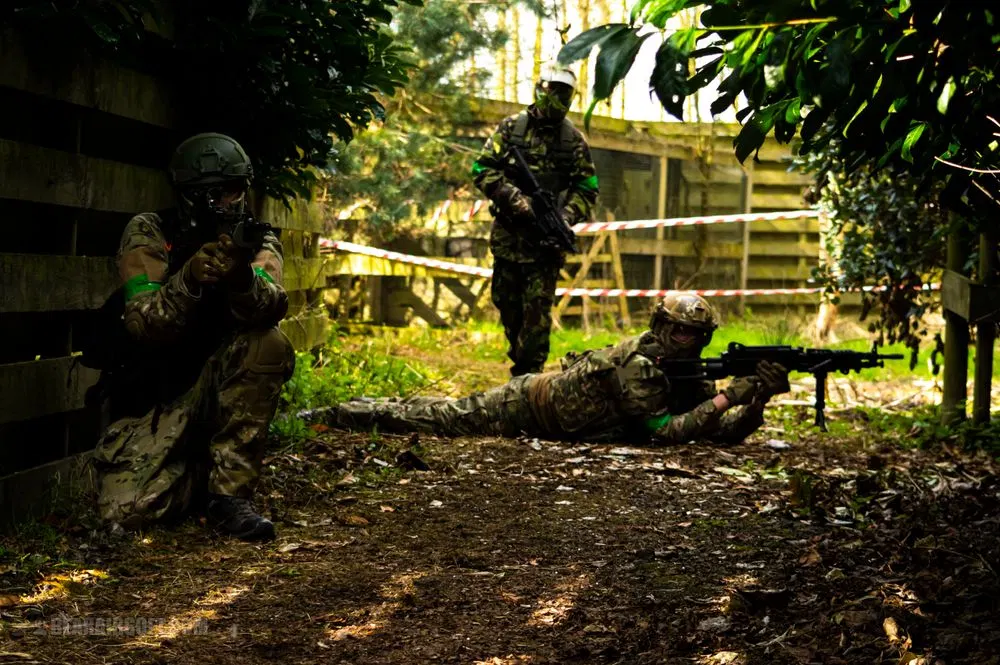
Paintball velocity limits represent the technical foundation of the sport's safety system. These limits ensure that paintball impacts, while certainly felt, remain within ranges that don't cause serious injury. Understanding velocity regulations helps you appreciate why chronograph testing matters and what to do if your marker isn't meeting standards.
Understanding Velocity Limits
The standard maximum velocity for paintball is 280 feet per second (fps), though some facilities use 285 fps and others restrict to 260-270 fps. At these velocities, paintball impacts are noticeable—even uncomfortable at close range—but don't cause lasting injury to properly protected players. The energy delivered falls well below thresholds for serious harm when masks protect vulnerable facial areas.
These limits weren't chosen arbitrarily. They emerged from decades of experience balancing playability against safety. Velocities much lower than 260 fps reduce effective range and accuracy to the point where gameplay suffers. Velocities higher than 285 fps increase impact energy to levels where bruising becomes more severe and equipment protection margins decrease. The 280 fps standard represents the community consensus on optimal balance.
Velocity limits apply to all paintball markers regardless of type, operating mechanism, or player experience level. Your high-end tournament marker follows the same limits as rental equipment. Your pump gun faces the same restrictions as electronic markers capable of high rates of fire. No exceptions exist for equipment type, game format, or player preference.
Chronograph Testing Procedures
Chronographs are devices that measure projectile velocity, and paintball facilities use them to verify that markers meet velocity standards before allowing play. Chronograph testing is mandatory at virtually all organized paintball venues, and you should expect to test your marker before each day's play and potentially after any significant marker adjustments.
The testing process is straightforward. You'll be directed to a chronograph station, typically a safe shooting area with a velocity-measuring device. Following staff instructions, you'll fire several shots through the chronograph, which displays each shot's velocity. Staff will verify your readings fall within allowed limits.
If your marker shoots over the velocity limit, you'll need to adjust it before playing. Most paintball markers have velocity adjustment mechanisms—typically adjustment screws or regulators that control operating pressure or hammer spring tension. Facility staff can often help with basic adjustments if you're unfamiliar with your marker's controls. After adjustment, you'll re-test to verify compliance before receiving clearance to play.
Markers shooting under the velocity limit aren't violating rules, but very low velocities indicate potential problems worth addressing. Extremely low velocity reduces your effective range and may indicate air system issues, worn seals, or other mechanical problems. While you're allowed to play, you might want to investigate why your marker is significantly underperforming.
Velocity can change during play due to temperature variations, air pressure changes, and mechanical factors. Markers that chrono perfectly in morning cool might shoot hot as temperatures rise. Paintball guns that have been sitting may shoot differently than markers that have been firing consistently. Some facilities require re-chronographing after extended breaks or when conditions change significantly.
Random velocity checks during play help ensure ongoing compliance. Referees or staff may pull players aside for unannounced chronograph testing during game days. These spot checks verify that markers remain within limits throughout play rather than just at initial testing. Failing a random check typically results in removal from the current game while you readjust and re-verify your marker.
Consequences of Velocity Violations
Shooting over the velocity limit is treated seriously because hot guns create genuine safety risks. Even modest velocity increases raise impact energy significantly—the relationship between velocity and energy is exponential rather than linear, meaning a gun shooting 300 fps delivers substantially more impact than one at 280 fps.
Initial discovery of an over-limit marker during chronograph testing simply requires adjustment and re-testing. No penalty applies for markers that test hot before play begins, provided you fix the issue before taking the field.
Markers discovered shooting hot during play face more significant consequences. The player is typically ejected from the current game immediately. The marker must be readjusted and verified compliant before further play. Repeated violations may result in facility bans.
Intentional velocity tampering—deliberately adjusting markers above limits after passing chronograph—represents one of the most serious rule violations in paintball. This behavior demonstrates willingness to endanger other players for competitive advantage. Consequences typically include permanent facility bans and potential liability if injuries result. The paintball community has zero tolerance for intentional safety violations.
Core Gameplay Rules

Beyond safety equipment and velocity requirements, paintball operates under gameplay rules that ensure fair competition and additional safety protection. These rules govern how players interact during games, how eliminations occur, and how various competitive situations are resolved.
Elimination Rules: How Players Are "Out"
The fundamental mechanic of paintball is elimination through marking—hitting opponents with paintballs that burst and leave visible paint marks. Understanding exactly what constitutes a valid elimination prevents arguments and ensures fair play.
A player is eliminated when a paintball strikes them and breaks, leaving a mark approximately quarter-sized or larger. The paintball must actually burst on impact, not simply bounce off. The mark must be visible—a splatter of paint that can be seen and verified. Hits anywhere on the player's body or equipment count, including markers, hoppers, pods, and anything else being worn or carried.
Spray and splatter from nearby impacts don't count as eliminations. If a paintball bursts on a bunker next to you and paint spray reaches your gear, you're not eliminated. Only direct hits where the paintball actually strikes you and breaks count as valid eliminations. This distinction prevents the unfairness of eliminating players who were using cover effectively but happened to catch secondary spray.
Bounces—paintballs that hit but don't break—don't eliminate players. The paintball must burst to count. This rule exists partly because paintball shell quality varies, with some balls more prone to breaking than others. Requiring breaks to eliminate ensures that paint quality doesn't unfairly affect outcomes.
When uncertainty exists about whether a hit counts, players should call for a paint check. Announce "paint check" loudly enough for a referee to hear. A referee will come examine you and determine whether a valid, breakable hit occurred. During the paint check, play typically continues around you, though you should avoid engaging opponents until the check is complete. If the referee finds a valid hit, you're eliminated.
If no valid hit is found, you continue playing.
Self-elimination through honesty is expected in paintball culture. If you feel a hit and know paint broke, calling yourself out immediately demonstrates sportsmanship. Wiping hits—attempting to remove paint marks to avoid elimination—is cheating and results in penalties far more severe than the eliminated game would have imposed.
The Surrender Rule: Close-Range Etiquette
When you achieve close-range advantage over an opponent—typically defined as within 15-20 feet, though specific distances vary by facility—you have the option to offer surrender rather than shooting at point-blank range. This rule exists because close-range paintball impacts are genuinely unpleasant, and good sportsmanship suggests offering an alternative.
The surrender offer is simple: point your marker at the opponent and clearly say "surrender" or "you're out." This announces that you have them at a disadvantage and gives them the choice between accepting elimination without taking a painful close-range shot or attempting to turn and engage despite the disadvantage.
If the opponent accepts surrender by acknowledging elimination, they're out without anyone getting shot at uncomfortable range. This outcome is considered ideal—you accomplished the tactical goal of eliminating them while sparing both players the intensity of point-blank exchange.
If the opponent refuses surrender and attempts to engage—turning to shoot, diving for cover while raising their marker, or otherwise continuing to fight—you're fully entitled to shoot them. Offering surrender doesn't require you to let them escape or accept disadvantage. The offer gives them a choice; choosing to fight accepts the consequences of that choice.
The surrender rule is sometimes misunderstood as requiring the advantaged player to offer surrender. At most recreational facilities, offering surrender is encouraged but not mandatory. You're generally allowed to simply shoot opponents at close range if you prefer, though doing so when you could have safely offered surrender is considered poor form.
Some game formats and facilities do make surrender mandatory within specified distances, meaning you must offer rather than shoot when close enough. Know your field's specific rules on this point. Tournament formats often eliminate surrender rules entirely, as competitive play assumes all participants accept close-range engagement as part of the game.
No Blind Firing: See Your Target
Blind firing—shooting without clear visual on your target—is prohibited at virtually all paintball facilities. This means you cannot stick your marker around a bunker corner and fire without looking, cannot shoot over obstacles without seeing where shots land, and cannot spray fire into areas you haven't verified are clear.
This rule serves multiple safety and fairness purposes. Safety-wise, blind firing risks hitting referees, eliminated players exiting the field, spectators in unprotected areas, or other non-combatants who should never be targets. You cannot verify that your shots are going toward valid targets if you cannot see where you're shooting.
Fairness-wise, blind firing allows players to engage opponents without exposing themselves to return fire, creating one-sided exchanges that don't reflect actual paintball skill. Requiring visual target acquisition means both parties have at least the opportunity to engage when shooting occurs.
The practical definition of blind firing involves whether you can actually see your target when you shoot. Leaning out from cover to acquire a target before firing is proper technique, even if you pull back behind cover between shots. Holding your marker past cover and firing without ever seeing where shots go is blind firing.
Referees watch for blind firing and will warn or penalize players who engage in it. If you're uncertain whether your shooting position allows adequate target visibility, err toward exposing yourself more rather than risk blind firing calls.
Shooting at Non-Players and Non-Targets
Paintball markers should only be fired at valid targets—opposing players actively engaged in the current game. Shooting at anyone or anything else violates fundamental rules and may result in immediate ejection or worse consequences.
Referees are never valid targets. Even if a referee's call frustrates you, even if you believe a referee made an incorrect decision, shooting at them is absolutely prohibited. Referees wear identifying clothing precisely so players know not to shoot them. Intentionally shooting a referee results in immediate expulsion and likely permanent bans.
Eliminated players exiting the field are not valid targets. Once someone has called themselves out and is leaving the field, shooting them serves no game purpose and just causes unnecessary pain. Let eliminated players exit unmolested.
Spectators, staff, and anyone else not actively playing are obviously never targets. Your paintball field includes areas where non-players may be present, and your awareness must extend to avoiding shots that could reach them.
Shooting at animals, vehicles, buildings, or other non-game objects is prohibited. Beyond the obvious ethical problems with shooting at animals, property damage creates liability issues and damages paintball's reputation. Your shots should go toward opponents, period.
The exception is designated target range areas where shooting at provided targets is explicitly permitted for equipment testing and chronographing. Even there, shoot only at the provided targets, not at random objects.
Proper Field Exit After Elimination
When you're eliminated, how you exit the field matters for safety and game flow. Proper exit procedures prevent confusion about your status and avoid interfering with ongoing play.
Immediately upon recognizing you're eliminated, announce it loudly. Shout "hit" or "out" or "I'm hit" clearly enough for nearby players and referees to hear. This announcement prevents teammates from relying on fire support that's no longer coming and informs opponents that they've successfully eliminated you.
Raise your marker above your head or hold it in a clearly non-threatening position. This visual signal, combined with your verbal announcement, makes your eliminated status unmistakable. Keeping your marker low or in shooting position after calling out creates dangerous confusion about whether you're actually eliminated.
Move off the field promptly but safely. Don't run through active firefights if you can avoid them—wait for a pause or take a route around engaged players. If you must cross active areas, move quickly with your marker clearly raised and continue announcing your eliminated status.
Don't communicate game information after elimination. Dead men don't talk—this phrase captures the rule against eliminated players calling out opponent positions, warning teammates of threats, or otherwise providing tactical information after elimination. You're out of the game, and that includes the information-sharing aspects. Walk silently off the field without helping either team.
Proceed to designated dead zones or staging areas after exiting. Don't loiter near the field edge where you might interfere with play or be mistaken for an active player. Remove yourself completely from the game environment until the current round ends.
Referee Authority and Player Conduct
Referees serve as the on-field authorities responsible for safety, rule enforcement, and game management. Understanding referee roles and proper player conduct toward officials ensures smooth gameplay and avoids unnecessary conflicts.
The Referee's Role
Paintball referees perform multiple functions simultaneously. They enforce safety rules, watching for mask violations, blind firing, velocity issues, and other dangerous behaviors. They make elimination calls when players can't or won't call themselves out honestly. They manage game flow, starting rounds, announcing time limits, and declaring victories. They resolve disputes between players regarding hits, boundaries, and rule interpretations.
Referees' decisions are final during active play. When a referee makes a call—whether declaring you eliminated, calling a paint check result, or ruling on any dispute—that call stands for the current game. You may disagree, you may believe the call was incorrect, but arguing during play accomplishes nothing positive and typically makes situations worse.
This finality exists because paintball games move too quickly for extended deliberation. Refs must make instant decisions based on limited information, often from imperfect viewing angles. Some calls will inevitably be wrong. Accepting this reality as part of the game keeps things moving smoothly.
If you genuinely believe a referee made an error, the appropriate response is accepting the call for the current game and discussing it with field management afterward. Constructive feedback after games can improve referee performance over time. Arguing during play only disrupts games and marks you as a problem player.
Respecting Referee Authority
Referees deserve respect both because their job is difficult and because respecting officials creates better paintball environments for everyone. How you interact with referees affects your experience and reputation.
Respond promptly and politely to referee instructions. When a ref tells you to do something—adjust your mask, reposition for safety, check your marker velocity—comply immediately without argument. These instructions typically address safety concerns that shouldn't wait for discussion.
Communicate respectfully even when requesting calls or reporting issues. "Paint check please" works better than demands. "I think that player is blind firing" conveys information without attacking anyone. Calm, factual communication gets better results than emotional accusations.
Accept adverse calls gracefully. Getting called out when you believed you were clean happens to everyone. Accepting the call, walking off the field, and preparing for the next game demonstrates maturity. Arguing, complaining loudly, or making the referee's job difficult marks you as someone fields don't want as a customer.
Never, under any circumstances, physically or verbally abuse referees. Threatening officials, making personal attacks, or shooting at referees results in immediate permanent bans at any reputable facility. The paintball community has zero tolerance for ref abuse.
General Player Conduct Standards
Beyond referee interactions, paintball expects certain conduct standards that ensure positive experiences for everyone.
Honesty and integrity define good paintball culture. Call your hits. Don't wipe paint. Acknowledge when you're uncertain whether you're hit by requesting paint checks rather than playing through questionable situations. The player who calls marginal hits on themselves earns far more respect than the one who plays every questionable situation aggressively.
Sportsmanship matters regardless of game outcome. Congratulate opponents on good plays. Thank referees after games. Help new players learn rather than exploiting their inexperience excessively. Lose gracefully and win humbly.
The paintball community is relatively small, and reputation follows you between fields and events.
Control your emotions during play. Frustration is natural when games don't go your way, but expressing that frustration through cursing, equipment abuse, or hostility toward others creates negative environments. Take breaks if you're getting too frustrated to maintain composure.
Respect facility property and grounds. Don't damage bunkers, structures, or equipment. Clean up your trash. Report any damage you observe. Paint out of bounds areas affect neighbor relations and can shut down fields entirely.
Treat facilities well so they remain available for everyone.
Alcohol and drug use are prohibited during play at all reputable facilities, and usually on premises entirely. Impaired judgment creates safety risks that paintball's rule structure cannot fully mitigate. Arrive sober and stay that way until you're done playing and off facility property.
Field-Specific Rules and Variations
While core safety and gameplay rules remain consistent across paintball, individual facilities often implement additional or modified rules based on their specific circumstances. Understanding that variation exists helps you adapt appropriately to different venues.
Why Rules Vary Between Fields
Different fields serve different player populations, operate in different physical environments, and prioritize different aspects of the paintball experience. These differences naturally produce rule variations.
A field primarily serving families and birthday party groups may implement stricter surrender distance requirements and lower velocity limits than a field catering to experienced competitive players. Both approaches legitimately serve their target audiences.
Physical layout affects rule implementation. A field with close bunker spacing may enforce shorter blind firing distances than a field with spread-out cover. Indoor facilities may have different requirements than outdoor venues based on ventilation, lighting, and space constraints.
Local regulations sometimes mandate specific requirements. Some jurisdictions restrict paintball velocity limits below industry standards or impose age restrictions beyond what facilities would otherwise require. Fields must comply with local laws regardless of standard industry practices.
Common Variations You'll Encounter
Velocity limits vary between 260-285 fps depending on facility preference, with 280 fps being most common. Some fields use different limits for different game types—lower velocities for close-quarters formats, standard velocities for regular play.
Surrender distances range from 10 feet to 25 feet at different facilities. Some require mandatory surrender offers within specified distances; others make surrender optional regardless of range.
Paint requirements differ significantly. Some fields are FPO (field paint only), meaning you must purchase paint on-site rather than bringing your own. Others allow BYOP (bring your own paint) without restriction. Some allow BYOP but require it meet quality standards inspected on arrival.
Barrel blocking specifics occasionally vary. While barrel socks are nearly universal, some facilities accept certain types of barrel plugs for specific marker types. Others require barrel socks exclusively with no exceptions.
Age restrictions and supervision requirements differ based on local laws, insurance requirements, and facility philosophy. Minimum ages range from none to 12 or higher. Supervision requirements for minors vary from none to mandatory guardian presence.
Learning Field-Specific Rules
Every paintball outing should include learning the specific rules of your venue. Never assume rules are identical to other fields you've visited.
Attend orientation and safety briefings offered to new players. Even experienced players benefit from these briefings when visiting new facilities—they cover field-specific rules that may differ from what you're accustomed to.
Ask questions when anything is unclear. Field staff would rather explain rules before play than address violations during games. Questions about specific rules demonstrate conscientiousness, not ignorance.
Read posted rules and signage. Fields typically post key rules in staging areas, chronograph stations, and near field entrances. Taking a few minutes to read these postings prevents violations and penalties.
When playing with experienced regulars, ask about any unwritten conventions that supplement official rules. Regular players often develop informal practices that supplement official rules—specific staging area etiquette, preferred chronograph procedures, and similar customs that new visitors might not know.
Tournament and Competitive Paintball Rules

While recreational paintball operates under relatively informal rules administered by field staff, competitive paintball follows codified rulesets developed by sanctioning organizations. Players interested in tournament competition need to understand how these formal rules differ from recreational play.
Major Sanctioning Bodies and Rulesets
Several organizations sanction competitive paintball events, each with detailed official rulesets:
The National Xball League (NXL) sanctions professional and semi-professional tournament paintball in the United States and internationally. NXL rules govern the highest levels of competitive play, influencing rules used at all competitive levels.
USA Paintball serves as the national governing body recognized by the U.S. Olympic Committee, sanctioning various competitive formats and developing amateur competition pathways.
European and international organizations sanction competition in their regions, with rules generally similar to American standards but sometimes varying in specifics.
These organizations publish complete rulebooks covering every aspect of competitive play. Serious competitive players should obtain and study the relevant rulebook for their competition level. Summaries cannot capture the detail these documents contain.
Key Differences from Recreational Play
Tournament paintball differs from recreational play in several significant ways:
Elimination rules tend to be stricter in competitive formats. Tournament rules typically define smaller minimum marking sizes for elimination. Hits anywhere on players or equipment count regardless of size. The margin for questionable situations narrows compared to recreational play.
No surrender rules exist in most competitive formats. Tournament players accept close-range engagement as part of competition. If you're in position to shoot an opponent, you shoot them—offering surrender would be bizarre in competitive context.
Time limits and scoring systems structure competitive games differently than recreational play. Games have defined durations, point values attach to objectives, and winning involves more than simply eliminating opponents in many formats.
Penalty systems replace the informal warning-then-ejection approach of recreational play. Specific violations carry defined penalties—minor penalties, major penalties, gross penalties—each with established consequences. Penalty accumulation affects game scoring and can result in player removal.
Equipment restrictions may apply regarding marker types, rates of fire, pod and hopper capacities, and other gear specifications. Competitive divisions often restrict equipment to maintain competitive balance or require specific equipment standards.
Player conduct standards are formally codified and consistently enforced. Unsportsmanlike behavior, whether toward opponents, officials, or spectators, triggers penalties independent of gameplay violations.
Getting Started in Competitive Paintball
Players interested in competitive paintball should seek out the competitive community in their area:
Local fields often host tournament-format practices or low-level competitive events that introduce players to competitive rules and culture.
Regional tournament series provide competitive opportunities below national-level events, with divisions for various skill levels including beginners.
Joining or forming a competitive team connects you with players pursuing similar goals and creates practice opportunities unavailable to individual recreational players.
According to PaintballX3 Magazine, the competitive paintball community actively welcomes new participants and most areas have established competitive scenes accessible to interested players regardless of current skill level.
Age Restrictions and Youth Player Rules

Paintball welcomes players across age ranges, but younger players face additional rules designed to address their unique safety considerations. Understanding these requirements helps families plan appropriate paintball experiences.
Common Age Restrictions
Most paintball facilities establish minimum age requirements, typically ranging from 10 to 12 years old for standard paintball. These minimums reflect several considerations:
Physical ability to wear and maintain proper safety equipment matters. Masks must fit securely, and very young children may lack head sizes that allow proper mask fit with available equipment.
Cognitive ability to understand and follow safety rules consistently is essential. Players must reliably keep masks on, maintain barrel blocking when required, and follow referee instructions without constant supervision.
Emotional readiness for paintball's physical intensity varies by child. Getting hit with paintballs involves discomfort, and children need sufficient emotional maturity to handle this without distress that ruins their experience or disrupts games.
Insurance and liability considerations often drive facility policies regardless of individual readiness. Facilities set age minimums that their insurance permits and their management feels appropriate.
Low-Impact Paintball Options
Many facilities offer low-impact paintball specifically designed for younger players. These programs use smaller paintballs (typically .50 caliber versus standard .68 caliber), lower velocities, and lighter equipment.
The smaller projectiles carry significantly less energy, making impacts much gentler than standard paintball. Children and parents concerned about pain levels find low-impact options more accessible while still providing genuine paintball experiences.
Low-impact programs typically accept players younger than standard paintball minimums, sometimes as young as 7 or 8 years old. The reduced intensity allows younger children to participate safely and enjoyably.
Facilities offering low-impact options may provide separate playing times, dedicated fields, or simply equipment options that parents can choose based on their children's readiness.
Supervision and Waiver Requirements
Minor players face additional administrative requirements beyond age minimums:
Parental waivers are required for any player under 18 at virtually all paintball facilities. These liability waivers must be signed by a parent or legal guardian—not simply any adult accompanying the minor. Facilities will request identification verification to confirm the signing adult is actually the parent or guardian.
Some facilities require parents to sign waivers in person rather than accepting pre-signed forms. This ensures parents receive safety briefings and understand what activities their children will engage in.
Supervision requirements vary by facility. Some require a parent or guardian on-site during play. Others allow unaccompanied minors above certain ages once waivers are properly executed. Some facilities limit unsupervised play to minors above higher age thresholds than their overall minimum.
Group booking requirements sometimes apply to youth parties and events. Fields may require minimum ratios of adults to children or mandate that adult supervisors complete safety briefings alongside youth participants.
When planning paintball activities involving minors, contact facilities in advance to understand their specific requirements. Arriving without proper documentation or supervision can prevent participation despite otherwise meeting requirements.
Specialized Game Format Rules
Beyond standard elimination-style paintball, various game formats impose additional rules that modify or supplement baseline regulations. Understanding common format rules prepares you for the variety of games you might play.
Capture the Flag Variations
Capture the flag remains one of paintball's most popular formats, with variations providing different tactical challenges:
Standard capture the flag places a flag at each team's starting area. Teams attempt to capture the opponent's flag and return it to their own base while defending their own flag. Flag carriers often have restrictions—they may be required to carry the flag visibly, may be prohibited from shooting while carrying, or may face other limitations.
Center flag places a single flag in a neutral center location. Teams race to claim the flag and hang it in the opposing team's base. This variation produces more direct confrontation than two-flag formats.
Attack and defend assigns one team to guard a flag while the other team attempts to capture it. Teams typically switch roles between games to balance inherent advantages.
Flag handling rules vary by format and facility. Some require flags to remain visible at all times. Some prohibit concealing flags in clothing or equipment. Some allow passing flags between teammates; others prohibit flag transfers. Know the specific rules before play begins.
Elimination and Team Deathmatch
Pure elimination formats simply require removing all opponents from play without additional objectives:
Team elimination ends when one team has no remaining active players. The surviving team wins regardless of how many of their own players remain.
Individual elimination formats (free-for-all or last player standing) pit every player against all others until one survivor remains.
Time limits often apply to elimination games. If time expires before complete elimination occurs, the team with more surviving players wins, or the game may be declared a draw.
Some elimination formats involve respawning—eliminated players can re-enter after specified delays or by reaching designated respawn points. Respawn rules significantly affect tactics, as eliminated opponents may return to fight again.
Scenario and Big Game Rules
Scenario paintball involves elaborate game themes, often spanning many hours or entire weekends, with complex objective systems beyond standard paintball:
Mission-based objectives assign tasks to teams or individuals—capturing locations, escorting VIPs, retrieving objects, destroying targets. Completing missions earns points that determine ultimate victory.
Role playing elements may assign special abilities or restrictions to certain players. Medics might revive eliminated teammates. Engineers might be required to complete certain objectives. Commanders might make strategic decisions affecting their entire team.
Props and specialized equipment sometimes enter scenario games—vehicles, special markers, objective-related items with specific handling rules.
Scenario games typically have extensive written rules provided in advance. Players should read and understand these rules before participating, as scenarios often include format-specific regulations that don't apply to standard paintball.
The Scenario Paintball Events Calendar at MilestonePaintball.com provides information about major scenario events and their typical rule structures for players interested in this format.
Speedball and Tournament Formats
Speedball plays on small, symmetrical fields with inflatable bunkers, emphasizing fast-paced action and shooting skill:
Race-to format games end when one team achieves a specified number of point victories. Each point involves a short, intense game segment, with first elimination or objective completion winning the point.
Timed games allocate specified game time, with scoring based on eliminations, surviving players, objective completion, or combinations thereof.
Roster and substitution rules govern how many players can compete simultaneously and when substitutions may occur between points or games.
Speedball rules tend toward the formal end of paintball regulations, as the format exists primarily for competitive play. Facilities running speedball games or practices typically provide rule summaries for participants unfamiliar with format specifics.
Etiquette Beyond Formal Rules
Paintball culture includes expectations that go beyond formally codified rules. These unwritten conventions shape the player experience and affect your reputation within the community.
New Player Courtesy
Experienced players should help newcomers have positive first experiences rather than exploiting their inexperience:
Moderate your intensity when playing against obvious beginners. You can eliminate them without unleashing high rates of fire at close range. One or two shots accomplish elimination without the intimidating barrage that might discourage new players from returning.
Offer helpful suggestions when opportunities arise. Brief tips about cover use, movement, or tactics after games help new players improve without being condescending.
Don't dominate games against weaker opposition to the point where opponents never have chances to succeed. Allowing balanced games even when you could sweep easily creates better experiences for everyone.
Teammate Relations
Good teammate behavior enhances everyone's experience:
Communicate positively with teammates regardless of skill level. Encouraging struggling teammates works better than criticizing them.
Share supplies when teammates face shortages. Offering a few extra pods to someone running low costs you little and builds community.
Play your role within team tactics even when it's not glamorous. Someone needs to hold the boring defensive position while others push. Being that reliable player makes you valuable beyond your elimination count.
Facility and Staff Relations
How you treat facilities and staff affects everyone's paintball experience:
Clean up after yourself. Pick up empty pods, trash, and gear before leaving staging areas. Don't leave messes for staff to handle.
Report problems promptly. If you notice safety issues, equipment problems, or rule violations by others, inform staff so they can address situations before they escalate.
Provide constructive feedback when you have concerns. Fields want to know about legitimate problems, but approach feedback as helpful information rather than complaints.
Tip referees if tipping is customary at your facility. Referees often work for modest wages, and tips recognize their contribution to your positive experience.
Common Rule Violations and Their Consequences
Understanding typical violations and their consequences helps you avoid problems and recognize when others cross lines:
Minor Violations
Accidental mask lifts during play typically result in warnings for first offenses, particularly for new players. Referees understand that masks can fog or shift and that new players occasionally forget rules in excitement. However, repeated mask issues quickly escalate to game ejection.
Barrel blocking failures in staging areas usually prompt verbal reminders initially. Failing to correct after reminder, or repeated failures, may result in being asked to leave for the day.
Minor conduct issues like excessive complaining, poor sportsmanship, or failure to follow referee instructions typically receive warnings before stronger consequences. However, the threshold for escalation is lower than many new players expect.
Major Violations
Intentional mask removal during active play results in immediate game ejection and potentially longer suspensions. This behavior is too dangerous to allow any tolerance.
Shooting at referees, eliminated players, or spectators results in immediate expulsion from the facility, typically with permanent bans.
Velocity tampering after passing initial chronograph testing triggers expulsion and bans when detected.
Wiping hits (attempting to remove paint to avoid elimination) typically results in additional penalties beyond the elimination that would have occurred—often removal from multiple games or suspension from the day's remaining play.
Physical altercations result in permanent bans, potential police involvement, and possible civil liability. Violence has no place in paintball regardless of provocation.
Avoiding Violations
Most violations result from ignorance, inattention, or emotional reactions rather than deliberate rule-breaking:
Learn the rules before playing. This guide covers general principles, but specific facility rules should be understood before each outing.
Pay attention during play. Maintain awareness of your mask, barrel blocking, and conduct rather than getting so focused on gameplay that you forget basic requirements.
Control your emotions. Most serious violations happen when frustrated players act impulsively. Take breaks if you're getting too competitive or frustrated to maintain composure.
Ask questions when uncertain. Referees and staff prefer answering questions to addressing violations.
The Continuous Evolution of Paintball Rules
Paintball's rules aren't static—they've evolved significantly since the sport's inception and continue developing as the community gains experience and technology changes.
Historical Rule Development
Early paintball operated with minimal standardization. Different fields established different rules, equipment varied wildly in capability and safety, and no governing bodies existed to establish standards. This lack of standardization produced incidents that taught the community about necessary protections.
As the sport matured through the 1980s and 1990s, standard practices emerged. Mask requirements became universal after eye injury incidents demonstrated their necessity. Velocity limits standardized around current norms after experience showed safe ranges. Barrel blocking devices became required as accidental discharge incidents in staging areas prompted protective measures.
Sanctioning organizations developed formal rulesets for competitive play, and these codified rules influenced recreational practice. Insurance industry requirements further standardized safety practices as facilities seeking coverage had to demonstrate adequate safety measures.
Recent and Ongoing Changes
Rule development continues as new situations arise:
Rate of fire limitations in competitive formats address equipment capabilities that didn't exist in paintball's early years. Modern electronic markers can shoot far faster than older equipment, prompting rules that limit how fast anyone can shoot regardless of marker capability.
Social media and recording policies at facilities represent recent rule additions responding to smartphone prevalence. Rules about when and where recording is permitted address privacy concerns that didn't exist before universal phone cameras.
COVID-era modifications at many facilities added requirements around distancing, mask requirements (fabric masks, not paintball masks), and equipment sharing limitations. While some of these proved temporary, others may become permanent features.
Participating in Rule Development
Players can influence rule development through several channels:
Providing feedback to facilities about rules that don't work well or situations where new rules might help contributes to field-level rule refinement.
Participating in sanctioning body governance for those interested in competitive rules. These organizations typically have committee structures that develop and modify rules.
Engaging in community discussions through forums, social media, and player groups shapes community standards that eventually influence formal rules.
The paintball community benefits when experienced players share their knowledge of why rules exist and how they've developed. This historical context helps newer players appreciate the purpose behind requirements that might otherwise seem arbitrary.
Building a Culture of Safety and Fair Play
Ultimately, paintball's excellent safety record and enjoyable play experience depend on every player committing to safety and sportsmanship. Rules and referees provide frameworks, but individual choices determine whether those frameworks succeed.
Personal Responsibility for Safety
No rule system can protect players who choose to ignore safety requirements. Your safety and the safety of everyone around you depends on your consistent commitment to following rules even when no one is watching.
Keep your mask on throughout play—not because refs might catch you, but because protecting your vision matters regardless of observation. Maintain barrel blocking when required—not because violations might be called, but because accidental discharges could hurt someone. Follow velocity limits—not because you might get chronographed, but because hot guns cause unnecessary harm.
When you witness others violating safety rules, speaking up protects everyone. Quietly reminding a new player to keep their mask down may feel awkward, but it might prevent an injury. Reporting genuine safety concerns to staff isn't "snitching"—it's protecting the community you're part of.
Promoting Sportsmanship
Fair play makes paintball enjoyable for everyone. Games between players who all call their hits honestly provide better experiences than games where everyone suspects everyone else of cheating.
Model the behavior you want to see. Call your own hits consistently, even marginal ones. Congratulate good plays by opponents. Accept referee decisions gracefully even when you disagree. Your example influences others and contributes to community culture.
Help new players learn good habits from the start. Teaching newcomers to value honesty and sportsmanship alongside tactical skills creates better long-term players and community members.
Supporting Field and Community Success
Paintball facilities exist because enough players support them to sustain business operations. Fields that close due to insufficient business or liability problems reduce playing opportunities for everyone in their areas.
Support your local fields by playing regularly, recommending them to others, and helping them address problems constructively rather than destructively. Fields that feel community support invest more in their facilities and provide better experiences.
Contribute to the broader paintball community by welcoming new players, sharing knowledge, and promoting paintball positively. The sport's continued growth depends on creating experiences that make newcomers want to return and become community members themselves.
Conclusion
Paintball's comprehensive rules and regulations transform an inherently intense activity into one of the safest extreme sports available. From mandatory masks that protect players from the most serious potential injuries to velocity limits that ensure impacts remain within safe ranges, from referee systems that enforce consistent standards to player culture that values safety and sportsmanship, every element works together to create environments where players can enjoy genuine competition without undue risk.
Understanding these rules goes beyond simply knowing what you're not allowed to do. Appreciating why rules exist creates buy-in that makes compliance natural rather than burdensome. Recognizing how rules interconnect helps you understand why every regulation matters. Knowing how rules have developed over time connects you to a community that has worked hard to make paintball as safe and enjoyable as possible.
Whether you're playing your first game or your thousandth, approaching paintball with commitment to safety and fair play ensures positive experiences for yourself and everyone around you. Follow the rules not because enforcement might catch you violating them, but because following rules makes paintball better for everyone. Model good behavior for others. Help newcomers learn proper conduct. Support facilities and community structures that make organized play possible.
Paintball offers experiences available nowhere else—the teamwork, the competition, the physical engagement, the strategic thinking, the sheer fun of the game. The rules that govern play make these experiences possible by creating environments where everyone can participate safely and fairly. Embrace those rules, and enjoy everything paintball has to offer.
