Table of Contents

Paintball can turn friends into fierce competitors in an instant. One moment you're sharing laughs in the staging area, and the next you're locked in an intense battle of strategy, speed, and precision. For beginners, it's completely natural to feel nervous before that first match—the sounds of markers firing, paintballs whizzing past, and the rush of adrenaline can be overwhelming.
But here's the truth: paintball is one of the most accessible action sports in the world. With the right knowledge and preparation, anyone can step onto the field and have an incredible experience, regardless of athletic ability or prior experience.
Paintball is an action-packed sport where players compete individually or in teams using compressed-air guns, known as paintball markers, to tag opponents out of the game. Players shoot marble-sized gelatin capsules filled with water-soluble, non-toxic paint at each other while navigating obstacles, executing strategies, and working toward game objectives.
This comprehensive guide covers everything you need to know to prepare for your first paintball game and beyond. From essential gear and safety protocols to battlefield tactics and advanced strategies, we'll transform you from a complete beginner into a confident player ready to dominate the field.
Why Paintball Is Worth Playing

Before diving into the how-to aspects, understanding why millions of people worldwide love paintball helps frame your approach to the sport.
Physical and Mental Benefits
Paintball delivers a full-body workout disguised as pure fun. During a typical playing session, you'll experience:
Cardiovascular exercise from running, sprinting, and constant movement across the field. A few hours of paintball burns 400-800 calories depending on intensity—comparable to jogging or cycling.
Strength building from crouching, crawling, carrying equipment, and maintaining shooting positions. Your legs, core, and arms all get worked throughout the day.
Improved reflexes as you react to opponents, incoming fire, and rapidly changing situations. Your hand-eye coordination and reaction time improve with regular play.
Mental sharpness through strategic thinking, quick decision-making, and spatial awareness. Paintball is essentially a real-time strategy game played with your body.
Stress relief through intense physical activity and the release of adrenaline and endorphins. Many players describe paintball as incredibly therapeutic for releasing work stress and mental tension.
Social and Team Benefits
Paintball creates bonds unlike almost any other activity. When you're working together under pressure, depending on teammates, and celebrating victories (or commiserating over defeats), relationships strengthen rapidly.
Team building skills develop naturally as you coordinate movements, communicate under fire, and execute strategies together. This is why corporations frequently use paintball for team-building events.
Communication skills improve as you learn to convey information quickly and clearly in high-pressure situations. Effective paintball communication translates directly to professional environments.
Leadership opportunities emerge as players naturally take charge of strategies, coordinate team movements, and motivate teammates during challenging moments.
Diverse community welcomes players of all backgrounds, ages, and fitness levels. Paintball fields typically host players from teenagers to retirees, creating unique intergenerational interactions.
Accessibility and Inclusivity
Unlike many action sports, paintball doesn't require exceptional athletic ability to enjoy. While physical fitness helps, strategic players often outperform athletic players who rely solely on speed and strength.
Age range: Players typically range from 10-70+ years old, with appropriate equipment and field options for different age groups.
Physical requirements: Players with various physical limitations can participate with minor accommodations. The strategic nature means success isn't limited to the most athletic.
Entry barrier: Unlike sports requiring years of skill development, paintball beginners can have meaningful experiences from their very first game.
Cost accessibility: While gear can be expensive, rental options at fields make trying paintball affordable for anyone.
Essential Gear for Paintball: Everything You Need to Play
Having the right equipment transforms your paintball experience from frustrating to fantastic. Here's a complete breakdown of paintball gear essentials, from absolute necessities to optional enhancements.
The Paintball Gun (Marker)
Your paintball marker is the most important piece of equipment you'll own or rent. This device uses compressed air or CO₂ to propel paintballs at speeds typically between 260-280 feet per second.
How Markers Work
Understanding basic marker mechanics helps you operate your equipment confidently. When you pull the trigger, compressed air releases from your tank, pushing a paintball from the chamber through the barrel toward your target. The hopper (loader) sitting on top feeds new paintballs into the chamber for subsequent shots.
Modern markers come in three main categories:
Mechanical markers operate through physical trigger pulls activating internal mechanisms. They're reliable, easy to maintain, and affordable—perfect for beginners. Popular examples include the Tippmann Cronus and Spyder Victor, both excellent starter options in the $100-$150 range.
Electronic markers use battery-powered circuit boards to control firing. They offer faster firing rates, more consistent performance, and various firing modes. Mid-range electronic markers cost $250-$500, while professional options exceed $1,000.
Pump markers require manually cycling each shot, similar to a pump-action shotgun. These are popular among experienced players seeking additional challenge or nostalgic gameplay. They enforce accuracy and patience.
Choosing Your First Marker
For beginners, rental markers at paintball fields provide excellent starting points. They're maintained professionally, and you avoid significant investment before confirming you'll continue playing.
If purchasing, consider these factors:
Budget: Entry-level markers ($80-$150) serve beginners perfectly. Don't overspend before you know your preferences and commitment level.
Reliability: Choose proven brands with good reputations—Tippmann, Planet Eclipse, Empire, and Dye produce reliable equipment at various price points.
Maintenance: Simpler mechanical markers require less maintenance knowledge. Complex electronic markers demand more care but offer superior performance.
Playing style: Different markers suit different playing styles. Woodsball (outdoor scenario play) often favors rugged, realistic-looking markers. Speedball (competitive tournament play) favors lightweight, fast-firing electronic markers.
Marker Maintenance Basics
Regardless of your marker choice, basic maintenance ensures reliable performance:
- Clean your barrel after every playing session using a squeegee or barrel swab
- Lubricate O-rings periodically with paintball-specific oil
- Store markers in cool, dry locations away from direct sunlight
- Remove batteries from electronic markers during storage
- Check velocity settings periodically (most fields limit velocity to 280 fps)
Safety Mask: Your Most Critical Equipment
A paintball mask is absolutely non-negotiable. No reputable field allows anyone on the playing area without proper face and eye protection. Paintballs traveling at 280 fps can cause serious eye injuries, including permanent blindness.
Mask Components
Quality paintball masks include:
Lens/goggle system: The clear lens protecting your eyes. Thermal lenses with dual-pane construction resist fogging far better than single-pane lenses.
Face protection: Coverage for your entire face, including forehead, cheeks, and chin. Full-face protection is standard and recommended.
Ear protection: Integrated ear coverage protects against painful ear hits.
Ventilation: Quality masks feature ventilation systems allowing airflow while maintaining protection.
Strap system: Adjustable straps ensure secure, comfortable fit.
Choosing Your Mask
Your mask is the one piece of equipment where you should never compromise on quality. A fogged lens at a critical moment ruins games; an ill-fitting mask causes discomfort that distracts from playing.
Budget masks ($25-$50): Basic protection suitable for occasional players. Expect fogging issues and less comfortable foam padding.
Mid-range masks ($50-$100): Thermal lenses, better ventilation, and improved comfort. Excellent for regular recreational players. Popular options include the JT Proflex, Empire E-Flex, and V-Force Grill.
Premium masks ($100-$200+): Maximum comfort, widest field of vision, best ventilation, and superior anti-fog performance. Worth the investment for serious players. Top choices include the Dye i5, Push Unite, and Virtue Vio.
Fit matters more than brand. Try masks on before purchasing when possible. Different face shapes suit different mask designs. A $150 mask that doesn't fit your face performs worse than a $75 mask that fits perfectly.
Mask Care and Maintenance
Proper mask care extends lifespan and maintains clear vision:
- Never touch the inside of the lens with fingers (oils cause smearing)
- Clean lenses with microfiber cloths and lens-specific cleaning solutions
- Replace thermal lenses when anti-fog coating degrades (typically annually for regular players)
- Store masks in protective bags away from heat and sunlight
- Inspect straps and foam padding regularly for wear
Paintballs: Your Ammunition
Paintballs are biodegradable, water-soluble capsules filled with non-toxic, washable dye. They're specifically engineered to break upon impact, marking targets while causing minimal discomfort.
Paintball Construction
Each paintball consists of:
Outer shell: Gelatin capsule similar to vitamin supplements. Shell thickness varies by quality grade.
Fill: Water-soluble, non-toxic paint in various bright colors. Higher-quality fills are thicker and more visible upon impact.
Size: Standard paintballs measure .68 caliber (approximately 17mm diameter). Some fields offer .50 caliber for younger players, featuring smaller, lighter paintballs.
Paint Quality Grades
Recreational/Field grade ($30-$50 per case of 2,000): Standard quality suitable for casual play. May have occasional dimpling or size inconsistencies.
Mid-grade ($50-$70 per case): Better shell consistency and fill quality. Improved accuracy and more reliable breaking on impact.
Tournament grade ($70-$100+ per case): Maximum consistency, brittle shells that break on soft hits, and bright, visible fill. Essential for competitive play.
For beginners, recreational grade paint works perfectly. As your skills develop and accuracy matters more, upgrading paint quality provides noticeable improvement.
Paint Storage and Care
Paintballs are perishable and require proper storage:
- Store in cool, dry locations (60-70°F ideal)
- Keep away from direct sunlight and heat sources
- Rotate stock—use older paint first
- Never freeze paintballs (this is cheating and dangerous)
- Check for dimpling before use (dimpled paint shoots inaccurately)
Most paintball venues sell paint on-site. Many fields require purchasing their paint (Field Paint Only policies) while others allow bringing your own (BYOP). Check field policies before arriving.
Protective Clothing and Gear
While paintball markers are designed to be safe, getting hit still stings—especially at close range or on bare skin. Appropriate paintball clothing minimizes discomfort and lets you play aggressively without fear of painful welts.
Essential Clothing
Long-sleeved shirts: Cover arms completely. Thicker materials provide more padding. Loose-fitting clothing absorbs impact better than tight-fitting options.
Long pants: Protect legs from direct hits, scrapes, and environmental hazards. Avoid shorts unless you enjoy collecting bruises.
Sturdy footwear: Ankle-supporting boots or athletic shoes with good traction. Paintball fields include varied terrain—mud, hills, obstacles. Sandals and open-toed shoes are prohibited at most fields.
Gloves: Protect hands and fingers from painful knuckle shots. Full-finger gloves offer complete protection; fingerless gloves maintain trigger sensitivity.
Optional Protective Equipment
Paintball-specific padding: Chest protectors, padded shirts, and pants designed for paintball offer excellent protection without restricting movement.
Neck protectors: Throat hits are particularly painful. Neck guards or high collars provide protection.
Knee and elbow pads: Essential for aggressive sliding and diving. Also protect when crawling behind cover.
Athletic cup: For male players, groin protection provides peace of mind for aggressive play.
Head covering: Beanies, headbands, or headwraps protect your head from hits and keep sweat from your eyes.
What to Wear: Practical Recommendations
For your first game, you likely don't need specialized gear. Here's a practical approach:
- Old dark-colored t-shirt (long sleeves preferred) under a sweatshirt or jacket
- Jeans or cargo pants (avoid anything you'd mind getting stained)
- Old athletic shoes or hiking boots with good ankle support
- Work gloves or batting gloves from a sporting goods store
- Baseball cap or beanie
Dark colors hide paint stains better than light colors. Avoid anything loose enough to catch on obstacles or expensive enough that stains would upset you.
Additional Equipment
Beyond the essentials, several items improve your paintball experience:
Hopper/Loader: The container holding paintballs above your marker. Gravity-fed hoppers ($15-$30) work for casual play. Electronic hoppers ($50-$200) feed paintballs faster for higher rates of fire.
Air tank: Powers your marker. CO₂ tanks are cheaper but less consistent. High-Pressure Air (HPA) tanks cost more but provide better performance, especially with electronic markers.
Pod pack and pods: For carrying extra paintballs. Pods are tubes holding 100-150 paintballs; pod packs are harnesses worn around your waist holding 2-6 pods.
Barrel cover/sock: Required safety device covering your barrel when not on the field. Prevents accidental discharges in safe zones.
Gear bag: Keeps everything organized and protected during transport.
Squeegees/swabs: For cleaning paint breaks inside your barrel during games.
For beginners renting equipment, fields provide markers, masks, hoppers, and tanks. You'll only need appropriate clothing and the willingness to have fun.
Understanding Paintball Safety: The Foundation of Good Play
Safety isn't just a rulebook requirement—it's what makes paintball possible. Understanding and respecting safety protocols protects you, your fellow players, and the sport's reputation.
The Cardinal Rules of Paintball Safety
Never remove your mask on the field. This rule has zero exceptions. Even if your mask fogs completely, even if paint gets on your lens, even if you think the game is over—keep your mask on until you're in a designated safe zone. Eye injuries from paintball impacts can cause permanent blindness.
Always use barrel covers in safe zones. Barrel covers (also called barrel socks or barrel condoms) prevent accidental discharges from causing injuries in areas where masks aren't required. Your barrel cover should be on your marker anytime you're not actively on the playing field.
Keep your marker pointed in a safe direction. Even with a barrel cover, never point your marker at anyone unless you're actively playing and they're a legitimate target.
Treat every marker as if it's loaded. Even after removing your hopper and air tank, treat your marker as capable of firing. Paintballs can remain in chambers, and CO₂/air can remain in lines.
Respect the chronograph. All fields chronograph (measure velocity of) markers before play. Speed limits (typically 280 fps) exist for safety. Never adjust your velocity higher after chronographing.
Field Safety Zones
Paintball facilities organize space into distinct zones with specific rules:
Safe zone/staging area: Where players prepare, store gear, and take breaks. Masks aren't required here, but barrel covers must be on all markers. No firing under any circumstances.
Chronograph area: Where markers are velocity-tested. Limited firing only for testing purposes.
Playing field: Where games occur. Masks required at all times. Barrel covers removed. Firing permitted during active games.
Dead zone/elimination area: Where eliminated players go during games. Masks stay on until reaching the safe zone. No firing permitted.
Understanding these zones and their rules prevents accidents and ensures everyone has a safe, enjoyable experience.
Pain and Injury Prevention
Yes, getting hit by a paintball hurts. However, proper preparation minimizes discomfort and prevents actual injury.
Impact factors affecting pain:
- Distance (closer hits hurt more)
- Body location (bony areas hurt more than padded areas)
- Clothing thickness (more padding = less pain)
- Paint quality (lower-quality paint with harder shells hurts more)
Pain management strategies:
- Wear appropriate clothing covering all skin
- Focus on the game, not fear of being hit
- Stay hydrated—dehydration makes everything feel worse
- Accept that minor welts are part of the game
Common injuries and prevention:
Welts and bruises: Expected part of playing. They fade within days. Minimize by wearing protective clothing.
Twisted ankles: Common on uneven terrain. Wear ankle-supporting footwear and watch your footing.
Trips and falls: Pay attention to obstacles and terrain. Don't run blindly.
Overheating/dehydration: Drink plenty of water. Take breaks in shade. Remove layers if overheating.
Eye injuries: Completely preventable by never removing your mask on the field. This is why the rule is absolute.
Surrender Rules and Close-Range Etiquette
Most recreational paintball follows unwritten courtesy rules about close-range encounters:
Surrender rule: When you have an opponent dead-to-rights at very close range (typically under 10-15 feet), yelling "Surrender!" offers them the chance to call themselves out without taking a painful close-range hit. They can either surrender (raise hands and call "Out!") or attempt to escape/retaliate.
Not all fields use surrender rules. Competitive speedball rarely includes surrender rules—players expect to be shot at any range. Clarify field-specific rules before playing.
Bonus balling: Shooting eliminated players multiple times after they're already out. This is poor sportsmanship and typically against field rules. Once someone is clearly out, stop shooting them.
Overshooting: Continuing to shoot an opponent excessively when one or two shots would suffice. While not always against rules, it's considered poor form.
Good paintball etiquette creates positive experiences for everyone. Treat others how you'd want to be treated.
Weather and Environmental Safety
Outdoor paintball means exposure to elements. Stay safe by considering:
Heat: Paintball in summer heat poses dehydration and heat exhaustion risks. Drink water constantly (not just when thirsty). Take shade breaks. Recognize heat exhaustion symptoms—dizziness, nausea, excessive sweating followed by no sweating.
Cold: Winter paintball requires extra layers but be careful not to overdress—you'll warm up quickly while playing. Watch for ice on terrain.
Rain: Many fields operate in light rain. Footing becomes treacherous on muddy terrain. Paint performance may suffer in wet conditions.
Lightning: Fields close during electrical storms. Never argue with this policy—paintball isn't worth electrocution risk.
How To Play Paintball: Game Mechanics and Rules
Now that you understand equipment and safety, let's explore how actual paintball games work. While specific rules vary by field and game type, these fundamentals apply universally.
Setting Up the Game
Before any paintball game begins, several organizational steps ensure fair, enjoyable play.
Establishing Boundaries
Walk the entire field and clearly identify boundaries before playing. Boundaries define the legal playing area—stepping outside eliminates you from that game.
Boundaries should be:
- Clearly marked (tape, flags, natural features)
- Understood by all players
- Appropriate for your group size
Field size guidelines:
- 3v3 games: 100-150 yards works well
- 5v5 games: 150-200 yards provides good action
- 10v10 games: 200-300 yards prevents overcrowding
- Large scenario games: Multiple acres possible
Smaller fields create faster, more intense games. Larger fields favor strategic movement and longer engagements.
Base Placement
Each team needs a starting base—a designated area where they begin each game. Bases should be:
- On opposite ends of the field
- Out of sight from each other when possible
- Equidistant from game objectives (if applicable)
- Clearly marked
Team Organization
Divide players into balanced teams. Consider:
- Experience levels (mix experienced players across teams)
- Physical ability (distribute athletic players evenly)
- Equipment quality (if some have better gear, balance accordingly)
- Friendships (sometimes fun to have rivalry games, sometimes better to mix groups)
For odd numbers, rotate a player between teams each game, or have someone referee.
Understanding Elimination
The fundamental mechanic of paintball is elimination—removing players from the active game. Understanding what constitutes elimination prevents disputes.
Standard elimination rules:
A player is eliminated when a paintball:
- Hits them anywhere on their body or equipment
- Breaks and leaves a mark the size of a quarter or larger
- The mark doesn't have to be paint color—splatter from nearby hits doesn't count (unless your field rules otherwise)
Checking for hits:
When you think you're hit, call "Paint check!" Referees (or nearby players in recreational games) examine the suspected hit location. If there's a break, you're out. If not, play continues.
Don't wipe hits (removing paint to avoid elimination). This is cheating and typically results in ejection from the field.
Calling yourself out:
When you know you're hit cleanly, immediately:
- Raise your marker above your head
- Loudly call "Hit!" or "Out!"
- Place your barrel cover on
- Exit the field toward the dead zone, keeping your marker raised
Continue calling "Out!" periodically while exiting to avoid being shot again by players who didn't hear your initial call.
Gun hits and equipment hits:
Rules vary by field and game type:
- Some games count any hit (marker, hopper, tank, pods)
- Some games only count body hits
- Some games distinguish "gun hits" from eliminations
Clarify these rules before playing.
Common Game Types and Objectives
Paintball features numerous game formats. Here are the most popular, from simple to complex.
Elimination (Team Deathmatch)
The simplest and most common format.
Objective: Eliminate all opposing players.
Victory condition: Last team with active players wins.
Strategy tips:
- Work together—isolated players get eliminated quickly
- Communicate enemy positions
- Balance aggression with caution
- Don't waste paintballs on impossible shots
Elimination games work for any group size and field configuration.
Capture the Flag
The classic team objective game.
Setup: Each team has a base with a flag. The objective is capturing the enemy flag and returning it to your base while protecting your own.
Objective: Retrieve the enemy flag and bring it to your base.
Victory conditions:
- Successfully capturing and returning the enemy flag
- Eliminating all opponents (if flag capture seems impossible)
- Time limit decisions (whoever holds enemy flag, or most eliminations)
Rules variations:
- Can flag carriers be eliminated while carrying the flag?
- Where does a dropped flag return to?
- Can you shoot the flag out of someone's hands?
Establish rules clearly before playing.
Strategy tips:
- Designate defenders and attackers
- Communication about enemy flag status is critical
- Protect your flag carrier during the return journey
- Sometimes abandoning the flag to fight is smarter than dying with it
Center Flag (Single Flag)
A variation where one flag sits at field center.
Setup: One flag placed at the field's center point. Each team has a goal location (their base or a designated spot).
Objective: Capture the center flag and bring it to your goal.
Victory conditions:
- Successfully capturing and bringing the flag to your goal
- Total elimination of opponents
Strategy tips:
- The initial rush to center flag often decides games
- Control of the center area provides tactical advantage
- Pressure flag carriers while protecting your own
Center flag creates intense, fast-paced games focused on central field control.
King of the Hill
A territorial control game.
Setup: A designated location (bunker, building, marked area) represents "the hill."
Objective: Control the hill location for a specified time.
Victory conditions:
- Holding the hill for the required duration
- Being in control when time expires
- Eliminating all opponents while controlling the hill
Strategy tips:
- Sometimes letting opponents take the hill first, then attacking, works well
- Control surrounding positions before the hill itself
- Rotation of defenders prevents exhaustion
Attack and Defend
Asymmetric gameplay with distinct team roles.
Setup: Defenders protect an objective (building, flag, VIP player). Attackers try to reach or capture that objective.
Objective: Attackers must accomplish their mission; defenders must prevent it until time expires.
Victory conditions:
- Attackers: Complete objective before time expires
- Defenders: Prevent objective completion until time expires
Common scenarios:
- Assault on a building
- VIP protection/assassination
- Bomb plant/defuse (using a prop)
- Prisoner rescue
Attack and Defend games benefit from defined time limits to prevent stalemates.
Scenario Games
Extended games with storylines, multiple objectives, and sometimes hundreds of players.
Characteristics:
- Last hours or entire days
- Feature narrative storylines
- Include multiple objectives with point values
- Often include props, vehicles, and special rules
- May involve player respawns
Scenario games are paintball's most immersive format, creating experiences resembling live-action video games.
Starting the Game
Proper game starts ensure fairness and safety.
Pre-game preparation:
- Both teams assemble at their bases
- Confirm all players are ready (equipment functioning, masks on, barrel covers off)
- Referees (if present) verify readiness
- Clear any field-specific rules or objectives
Standard start procedure:
- One team calls "Ready!"
- Opposing team responds "Ready!"
- Either referee calls "Game on!" or teams count down together
- Game begins—players may leave bases and engage
Never begin moving or shooting before the start signal. Early starts result in restarts or penalties.
Ending the Game
Games end through various conditions depending on format:
Objective completion: A team achieves the stated objective (capture flag, control point, eliminate VIP).
Total elimination: One team has no remaining active players.
Time expiration: Pre-set time limits expire. Victory determined by tiebreaker rules (objectives completed, eliminations, flag position).
When the game ends:
- Someone calls "Game over!" loudly and repeatedly
- All players stop shooting immediately
- Players remain in position with masks on
- Barrel covers go back on markers
- Only after all barrel covers are confirmed do players remove masks
Never remove your mask until you've confirmed the game is actually over and you're in a safe zone. Accidental discharges after games end have caused injuries when players removed masks prematurely.
Mastering Battlefield Techniques: Moving from Beginner to Competent Player

Understanding game rules gets you playing. Mastering paintball techniques gets you winning. These fundamental skills separate players who consistently contribute from those who get eliminated immediately.
Movement and Positioning
The importance of movement
Static players are dead players. Staying in one position too long allows opponents to:
- Identify your location precisely
- Coordinate attacks against your position
- Flank and eliminate you from angles you can't defend
Effective paintball involves constant repositioning—not random wandering, but purposeful movement between advantageous positions.
Moving between cover
When transitioning between positions:
- Identify your destination before leaving cover
- Check for threats in your movement path
- Communicate with teammates ("Moving up left side!")
- Move quickly and decisively—hesitation gets you shot
- Don't run in straight lines—vary your path slightly
- Slide or dive into your new position if necessary
Cover vs. concealment
Understanding this distinction improves your positioning:
Cover: Physical objects that stop paintballs (bunkers, thick trees, walls). Cover protects you from being hit.
Concealment: Objects that hide you but don't stop paintballs (bushes, netting, shadows). Concealment protects you from being seen but not from being hit through the object.
Prioritize cover over concealment. Being hidden behind a bush doesn't help when someone shoots through it.
Body positioning behind cover
How you position yourself behind cover dramatically affects your survivability:
- Stay tight to cover—gaps between you and cover are shooting lanes for opponents
- Peek from sides rather than top—your head poking over cover is an easy target
- Alternate which side you peek from—predictable patterns get you shot
- Keep your marker ready when peeking—be prepared to shoot immediately
- Minimize exposure time—quick peeks gather information without giving opponents easy shots
Lane control
Experienced players think in terms of "lanes"—straight-line paths across the field where paintballs travel. Controlling lanes means:
- Shooting down paths opponents must cross
- Positioning to deny enemy movement
- Creating crossfire with teammates
- Forcing opponents into unfavorable positions
When moving, consider which lanes you're crossing and who might be shooting down them.
Shooting Fundamentals
Accurate shooting eliminates opponents. Here's how to improve your marksmanship.
Proper shooting stance
When shooting from a stable position:
- Feet shoulder-width apart for balance
- Knees slightly bent (not locked)
- Lean into your shots slightly
- Both hands on marker for stability
- Stock (if equipped) against shoulder
- Cheek against stock for consistent sight picture
Aiming techniques
Paintball markers typically lack precision sights. Aiming involves:
Point shooting: At close range, point your marker naturally at targets. Your body instinctively aims where you're looking. Practice helps develop this natural aim.
Tracking the ball: At longer ranges, watch where your paintballs go and adjust aim accordingly. Paintballs arc due to gravity—aim higher for distant targets.
Walking shots: Fire continuously while adjusting aim to "walk" paintballs onto targets. Useful for suppression and engaging moving targets.
Trigger discipline
Ammo conservation matters, especially for beginners with limited paintball supplies.
- Don't spray randomly—each trigger pull should have purpose
- Short bursts are more accurate than continuous fire
- Confirm targets before shooting—friendly fire hurts morale (and wastes paint)
- Suppression has value—sometimes shooting to pin opponents in place serves your team, even without eliminations
Shooting on the move
Shooting while moving is less accurate but sometimes necessary:
- Slow your movement slightly when shooting
- Accept reduced accuracy—prioritize target engagement over precision
- Use movement shooting for suppression rather than elimination attempts
- Practice this skill regularly—it's harder than it looks
Communication and Teamwork
Individual skill matters less than team coordination in paintball. Effective paintball communication multiplies your team's effectiveness.
Essential callouts
Develop a vocabulary for rapid communication:
Location callouts: Use consistent landmarks ("Snake side," "Dorito bunker," "Back center," "Left tape"). Walk fields beforehand to establish common reference points.
Enemy position: "One at back left tower!" "Two behind center bunker!"
Movement intentions: "Moving up!" "Crossing middle!" "Falling back!"
Status updates: "I'm hit!" "Reloading!" "Low on paint!"
Requests: "Cover fire needed!" "Need support on left!"
Callout guidelines:
- Be specific—"Guy over there" helps no one
- Be loud enough for teammates to hear
- Be brief—long explanations waste time
- Update information—positions change constantly
Team roles
Organized teams assign roles based on playing style and skill:
Front players: Aggressive players who push up quickly, take risky positions, and create chaos. They often get eliminated but create opportunities for teammates.
Mid players: Balanced players who support front players, fill gaps in coverage, and adapt to situations. The most flexible role.
Back players: Defensive players who provide covering fire, communicate field information, and anchor the team's position. Often the most experienced players due to their broader field view.
Roles aren't rigid—adapt based on game flow—but having initial assignments prevents confusion.
Supporting teammates
Cover fire: When teammates move, shoot at positions where opponents might target them. Even without hitting anyone, suppressive fire keeps enemies' heads down.
Buddy system: Pair up with teammates. Move in coordination, cover each other, communicate about threats to each other.
Trading: When a teammate gets into a gunfight, support them immediately. Either help eliminate their opponent or "trade" (if they get eliminated, immediately eliminate their opponent).
Defensive Play
Defense wins games more often than offense. Strong defensive play keeps you in games longer and frustrates opponents.
Holding positions
When defending a location:
- Choose positions with multiple cover options—if your primary position gets compromised, have fallback options
- Avoid predictable patterns—vary where you peek and how long you stay
- Create crossfire with teammates—overlapping fields of fire from multiple angles are nearly impossible to attack successfully
- Communicate constantly—defenders need to know where attackers are attempting to breach
Reading opponent movements
Experienced players anticipate opponent actions:
- Watch patterns—players often repeat movements
- Count opponents—know how many enemies you're facing
- Listen—footsteps, marker firing, verbal communication reveal positions
- Use peripheral vision—movement in your peripheral vision often indicates flanking attempts
When to fall back
Knowing when to retreat saves players:
- Your position is compromised (multiple angles attacking you)
- Teammates have been eliminated, leaving you isolated
- Better defensive positions exist behind you
- Continuing to hold gains nothing tactically
Retreating isn't cowardice—it's smart play. Live players contribute more than eliminated ones.
Offensive Play
While defense wins games, offense wins decisive games. Knowing when and how to push keeps opponents off-balance.
Timing your aggression
Push when:
- Opponents are distracted (engaging teammates elsewhere)
- You have numerical advantage in your area
- Opponent is reloading or repositioning
- Time pressure requires action (capture the flag scenarios)
Don't push when:
- Opponents have you dialed in (waiting for you to move)
- You're isolated from team support
- Better opportunities will likely develop with patience
Bunkering
"Bunkering" means rushing an opponent's cover position and eliminating them at close range before they can react. It's high-risk, high-reward.
Bunkering technique:
- Confirm opponent's position
- Ensure teammates are ready to support
- Sprint to their bunker from an unexpected angle
- Shoot as you round the bunker
- Be prepared for them to counterattack
Bunkering requires confidence and commitment. Hesitation during bunker attempts gets you eliminated.
Flanking
Flanking means attacking from the side or rear, catching opponents focused on other directions.
Flanking principles:
- Move quietly and use concealment
- Coordinate with teammates to keep opponents focused elsewhere
- Attack from unexpected angles
- Be aware opponents may counter-flank you
Successful flanks can eliminate multiple opponents rapidly and shift game momentum dramatically.
Push timing with teammates
Coordinated pushes overwhelm defenders:
- Countdown pushes: "Push in 3... 2... 1... GO!"
- Simultaneous multi-angle attacks: Two or more players attacking from different directions
- Distraction and attack: One group engages loudly while another moves quietly
Uncoordinated pushes get players eliminated piecemeal. Coordinated pushes win games.
Game Modes and Formats: Exploring Paintball's Variety

Paintball offers tremendous variety beyond basic elimination games. Understanding different paintball game modes helps you find formats matching your interests.
Woodsball: Natural Terrain Paintball
Woodsball refers to paintball played on natural terrain—forests, fields, abandoned structures. It's the most common recreational format.
Characteristics:
- Natural terrain with trees, hills, bushes, streams
- Often larger fields than speedball
- Slower-paced, more tactical gameplay
- Scenario and objective-based games common
- Mil-sim (military simulation) equipment popular
- All skill levels welcome
Woodsball strategy:
- Use natural cover effectively
- Movement through brush can be noisy—move carefully
- Longer engagement distances favor accuracy over rate of fire
- Patience and positioning matter more than aggression
- Camouflage can provide genuine advantage
Speedball: Fast-Paced Competition
Speedball is played on smaller, symmetrical fields with inflatable bunkers. It's the dominant competitive format.
Characteristics:
- Small, flat fields (150-200 feet typically)
- Artificial inflatable bunkers with standardized layouts
- Fast-paced, aggressive gameplay
- High paintball consumption
- Tournament-oriented
- Electronic markers preferred
Speedball strategy:
- Initial "break out" positions often decide games
- Communication is constant and critical
- Aggression is rewarded—passive players get pinned and eliminated
- Snap shooting (quick peek-and-shoot from cover) is essential
- Games last 3-10 minutes typically
Speedball requires significant investment in equipment and paint but offers intense, athletic competition.
Scenario Paintball: Immersive Experiences
Scenario games feature storylines, objectives, and often hundreds of players in day-long or multi-day events.
Characteristics:
- Elaborate narratives (military operations, zombie apocalypses, historical battles)
- Multiple objectives with point values
- Player respawns (rejoin after elimination)
- Props, vehicles, and special equipment
- Custom rules for the scenario
- Social, community-focused events
Popular scenario elements:
- Generals/commanders coordinating teams
- Medics who can "revive" eliminated players
- Engineers who complete special objectives
- Vehicles (tanks, trucks) with special rules
- Role-playing elements
Scenario games prioritize experience over competition, creating memorable events unlike any other paintball format.
MilSim: Military Simulation
MilSim combines paintball with military simulation elements.
Characteristics:
- Realistic military-style equipment
- Extended scenarios with military-style objectives
- Emphasis on tactics and realism
- Often uses limited ammunition rules
- Magfed markers (magazine-fed rather than hoppers) common
- Stricter rules on engagement and gameplay
MilSim appeals to players interested in tactical realism and military-style operations.
Pump Play: Old-School Challenge
Pump paintball uses pump-action markers requiring manual cycling between shots.
Characteristics:
- Slower rate of fire (one shot per pump)
- Emphasizes accuracy over volume
- Lower paint consumption
- Nostalgic appeal for long-time players
- Levels playing field (expensive markers provide less advantage)
Pump play rewards skilled players and provides unique challenges for those seeking something different.
Low-Impact Paintball
Low-impact paintball uses smaller (.50 caliber), lighter paintballs at lower velocities.
Characteristics:
- Less painful hits
- Appropriate for younger players (8-10+)
- Good introduction for nervous beginners
- Less equipment weight
- Same game rules and formats
Low-impact paintball makes the sport accessible to those intimidated by standard paintball's impact intensity.
Developing Your Skills: From Beginner to Advanced Player
Improvement in paintball comes through deliberate practice, experience, and reflection. Here's how to accelerate your paintball skills development.
Practice Routines
At-home practice (without firing):
Snap shooting drills: Practice popping out from imaginary cover, acquiring targets, and returning to cover. Use a mirror to observe your movements.
Movement drills: Practice slides, dives, and transitions between positions. Your backyard works fine.
Marker handling: Practice reloading, clearing jams, and transitioning between hands. Familiarity with your equipment pays dividends during games.
Physical conditioning: Paintball rewards fitness. Improve cardio, leg strength, and core stability.
At-field practice:
Target practice: Many fields have target ranges. Practice different distances and shooting positions.
Scrimmage regularly: Game experience teaches more than drills. Play as often as possible.
Try different positions: Experiment with front, mid, and back player roles to understand each perspective.
Challenge yourself: Play with restrictions (off-hand only, limited paint) to develop skills.
Learning from Experience
After each playing session, reflect on your performance:
What worked?
- Which positions were effective?
- What movement decisions succeeded?
- When did communication help your team?
What failed?
- How did you get eliminated each game?
- Which decisions were poor in hindsight?
- Where did communication break down?
What will you try next time?
- New positions to try
- Techniques to practice
- Strategies to test
Deliberate reflection accelerates improvement. Players who just "show up and play" improve slower than those who actively analyze their performance.
Watching and Learning
Video resources: YouTube offers extensive paintball content, from professional tournaments to tutorial videos. Watch how experienced players move, communicate, and make decisions. The PbNation forums also provide valuable community knowledge and discussions from experienced players.
Live events: Attending tournaments or scenario events as a spectator provides learning opportunities. Watch how organized teams coordinate and how individual players handle situations.
Better players: Playing against and with players better than you accelerates learning. Don't avoid skilled competition—embrace it as an opportunity.
Common Beginner Mistakes to Avoid
Staying in one position too long: Movement is life in paintball. Players who find comfortable positions and never leave them become predictable targets.
Not communicating: Silent players help no one. Even if you feel awkward calling out, the information helps your team.
Tunnel vision: Focusing entirely on one opponent while others flank you. Maintain awareness of the broader field.
Panic shooting: Emptying your hopper wildly when surprised. Stay calm, aim deliberately, and shoot purposefully.
Quitting mentally after bad games: Everyone has terrible games. Mental resilience matters—shake off bad games and focus on the next one.
Not asking questions: Experienced players generally enjoy helping beginners. Ask for advice on positions, strategy, and technique.
Overbuying equipment: Expensive gear doesn't make you better. Invest in skills first, equipment second.
Mental Game: The Psychology of Paintball
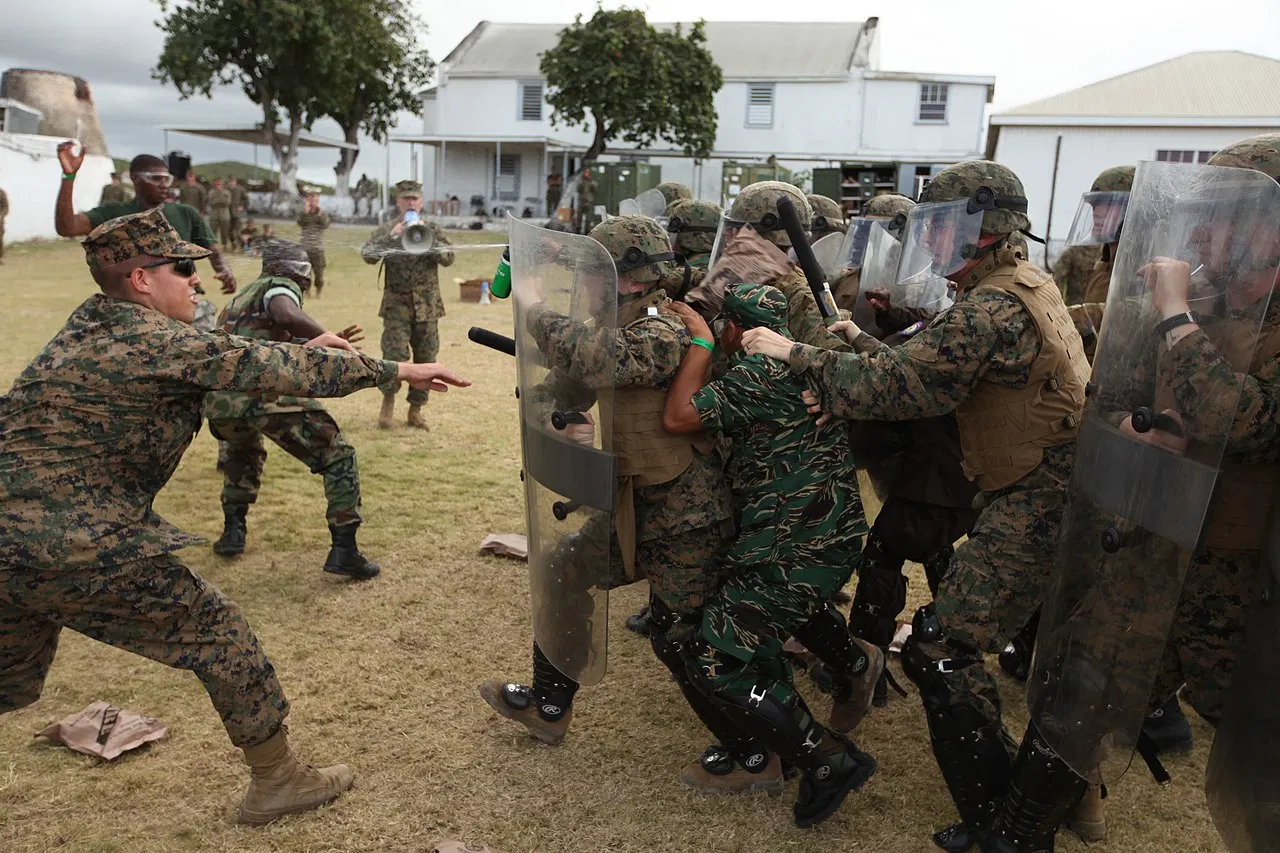
Paintball is as much mental as physical. Your paintball mindset significantly impacts performance.
Managing Fear and Nervousness
Fear of pain and fear of failure are natural for beginners. Managing these fears allows you to play your best.
Accept that getting hit happens: Every player gets eliminated, including professionals. Getting hit isn't failure—it's part of the game. Once you accept this, you'll play more freely.
The first hit is the hardest: Your first impact will hurt less than you expect. After experiencing hits, fear diminishes significantly. Some players deliberately get hit early in their first session just to overcome the anxiety.
Channel nervousness into excitement: Pre-game jitters provide energy. Instead of fighting nervousness, redirect it into focus and intensity.
Breathe: When anxious, breathing becomes shallow. Deliberate deep breaths calm your nervous system and improve focus.
Confidence and Aggression
Confident, aggressive play generally outperforms hesitant, defensive play.
Commit to decisions: Whether pushing or defending, commit fully. Half-hearted actions in paintball get you eliminated.
Fake it until you feel it: Even if you don't feel confident, acting confident often creates genuine confidence.
Small victories build momentum: Celebrate eliminations, successful movements, and good communications. Positive momentum improves performance.
Aggression isn't recklessness: Controlled aggression means playing proactively and decisively—not blindly rushing opponents.
Handling Elimination
How you respond to elimination affects your team and your own future performance.
Call out promptly and clearly: Help your team by providing information as you exit ("I'm hit, one back right corner!").
Don't argue: If a referee calls you out, accept it. If you're uncertain about a hit, call yourself out—the benefit of doubt should go toward fair play.
Learn from each elimination: What could you have done differently? Each elimination is a learning opportunity.
Stay positive for teammates: Your demeanor affects your team. Support remaining players instead of moping.
Team Dynamics and Leadership
Being a good teammate:
- Communicate constantly and constructively
- Support others' decisions even when you'd choose differently
- Celebrate team successes, not just personal eliminations
- Help newer players without condescension
- Accept responsibility for mistakes rather than blaming others
Leadership opportunities:
- Call out strategies during games
- Coordinate pushes and defensive positioning
- Keep team morale positive
- Debrief after games constructively
- Volunteer for difficult assignments
Leadership isn't about titles—it's about making your team better.
Paintball Etiquette and Sportsmanship
Good sportsmanship makes paintball enjoyable for everyone. Following paintball etiquette earns respect and improves community experience.
On-Field Etiquette
Call your hits honestly: If you're hit, call out immediately. Wiping hits (removing paint to avoid elimination) is cheating and destroys game integrity.
Don't overshoot: Once an opponent calls themselves out, stop shooting them. Continued shooting is disrespectful and potentially dangerous.
Respect surrender opportunities: At close range, offering surrender gives opponents a choice. If they surrender, don't shoot them afterward.
Acknowledge good plays: Compliment opponents on good shots or moves. Sportsmanship transcends team boundaries.
Accept referee decisions: Refs make mistakes, but arguing undermines game flow. Accept calls and move on.
Off-Field Etiquette
Help with field setup and cleanup: Many recreational fields rely on player help for setup and teardown. Contributing builds community goodwill.
Share information: Help newer players with equipment questions, technique tips, and field knowledge.
Control your frustration: Bad games happen. Venting frustration at others damages the community experience.
Respect equipment: Treat rental gear well. Return borrowed items promptly. Keep playing areas clean.
Support local fields: Fields survive on player support. Buy paint, pay entry fees, and recommend fields to others.
Safety Etiquette
Barrel covers always: No exceptions in safe zones. This protects everyone.
Don't blind fire: Shooting without seeing your target risks hitting unintended people, including referees or eliminated players.
Control muzzle direction: Even in safe zones, point markers in safe directions.
Report safety violations: If you see dangerous behavior, report it to staff. Protecting others matters more than social awkwardness.
What to Expect at Your First Paintball Outing
Walking into a paintball facility for the first time can feel intimidating. Here's exactly what to expect at your first paintball game.
Arrival and Check-In
Before arriving:
- Wear appropriate clothing (long sleeves, pants, closed-toe shoes)
- Bring water and snacks
- Expect to spend 3-5 hours minimum
- Bring cash (some fields don't accept cards for small purchases)
At check-in:
- Complete waiver forms (required at all fields)
- Pay entry fee and rental costs
- Receive rental equipment if applicable
- Get briefed on field rules and safety requirements
Gear-up area:
- Set up your equipment or receive rentals
- Test fire your marker in designated areas
- Adjust mask fit
- Store valuables securely (lockers often available)
Safety Briefing
All fields conduct safety briefings for new players covering:
- Mask rules (never remove on field)
- Barrel cover requirements
- Field boundaries
- Elimination rules
- Velocity limits
- Surrender rules (if applicable)
- Emergency procedures
Pay attention—this information keeps you and others safe.
Your First Games
Walk-on sessions: Most fields run "walk-on" sessions where individual players join games throughout the day. You'll be mixed with other players of various skill levels.
Referee guidance: Referees organize games, explain objectives, and enforce rules. Follow their instructions and ask questions if confused.
Game rotation: Expect games lasting 5-20 minutes depending on format, with brief breaks between for reloading and regrouping.
Pace yourself: First-timers often exhaust themselves early. Take breaks, stay hydrated, and don't push through fatigue.
Common First-Timer Experiences
You'll probably get eliminated quickly at first: This is normal. Use early eliminations to observe better players and learn field layouts.
Paint will get everywhere: Expect clothing, skin, and equipment to be covered by session's end. It washes off.
You'll use more paint than expected: Beginners typically underestimate paint consumption. Budget for purchasing more mid-session.
You'll be tired afterward: Paintball is physically demanding. Expect soreness the next day.
You'll probably want to play again: Despite (or because of) the intensity, most first-timers are hooked immediately.
Post-Game
After your session:
- Return rental equipment
- Clean off excess paint in designated areas
- Retrieve stored valuables
- Hydrate and eat
- Schedule your next visit
Building Your Paintball Journey
Once you've caught the paintball bug, consider how to develop your involvement in the sport.
Transitioning from Rental to Owner
When to buy equipment:
- Playing 5+ times per year
- Certain you'll continue playing
- Frustrated with rental quality
- Ready for the investment
First purchases (in priority order):
- Quality mask (most important)
- Comfortable clothing/padding
- Marker and basic gear
- Accessories and upgrades
Don't rush purchases. Research thoroughly and buy quality items that will serve you for years.
Finding Your Community
Local fields: Become a regular at your preferred field. Staff and fellow regulars become your paintball community.
Teams: Joining or forming a team provides regular playing partners, practice opportunities, and competitive options. Many teams welcome players of all skill levels.
Online communities: Forums, social media groups, and Discord servers connect paintball players worldwide for discussion, trading equipment, and organizing events. Resources like r/paintball on Reddit offer active communities with helpful advice for players at all levels.
Events: Scenario events, tournaments, and special games bring communities together for memorable experiences.
Competitive Options
If competition interests you:
Local leagues: Many areas have recreational leagues with teams competing regularly at local fields.
Regional tournaments: Larger events attracting teams from multiple areas, offering more intense competition.
National circuits: Organizations like the NXL (National Xball League) and ICPL run professional and semi-professional tournaments nationwide.
Start at appropriate levels: Don't jump into advanced competition immediately. Develop skills at lower levels before advancing.
Long-Term Development
Years 1-2: Focus on fundamentals—movement, communication, positioning. Play frequently and experiment with different roles and formats.
Years 2-3: Develop specialty skills. Identify your preferred playing style and refine those skills specifically.
Years 3+: Contribute to the community. Help newer players, consider refereeing, or take leadership roles in teams or events.
Paintball rewards long-term commitment. Players who stick with the sport discover continuously deepening enjoyment and skill development.
Frequently Asked Questions About Playing Paintball
Does paintball hurt?
Yes, but less than most people expect. A paintball hit feels like a firm rubber band snap. Pain varies by distance (closer hits hurt more), body location (bony areas hurt more), and clothing (more padding reduces pain). Proper clothing makes hits very manageable. The adrenaline during games often means you don't notice hits until afterward.
What should I wear to paintball?
Long pants, long-sleeved shirts, sturdy closed-toe shoes, and gloves. Dark colors hide paint stains. Avoid loose clothing that catches on obstacles. Bring extra layers for outdoor play—you can remove them if too warm.
How old do you need to be to play paintball?
Most fields allow players 10-12 and older with parental consent. Low-impact paintball options exist for younger children (8+). Some adult-only fields or sessions exist. Check with your local field for specific age policies.
How much does a day of paintball cost?
Entry fees typically run $15-$30. Rental packages (marker, mask, basic paint) cost $30-$50. Additional paint runs $30-$70 per case. Budget $50-$100 for a full day with rentals, more for heavy paint consumption.
Can I bring my own equipment?
Yes, most fields allow personal equipment. Some fields require purchasing their paint (Field Paint Only policies), while others allow outside paint. Check field policies before arriving.
How many paintballs will I use?
Beginners typically use 200-500 paintballs per hour of active play. Heavy shooters or aggressive players may use 500-1,000+ per hour. Start with a smaller quantity and purchase more as needed—it's better than carrying excess weight or wasting unused paint.
What happens if I get hit?
Call "Hit!" loudly, raise your marker above your head, place your barrel cover on, and exit toward the designated dead zone. Keep calling "Out!" periodically while exiting so others don't shoot you again.
Can I wear glasses under a paintball mask?
Many masks accommodate prescription glasses, though comfort varies by frame size and mask model. Contact lenses are easier. Some players use prescription inserts designed for paintball masks. Try masks with your glasses before purchasing.
Is paintball safe?
Paintball has an excellent safety record when rules are followed. Serious injuries are rare and almost always result from rule violations (removing masks, shooting outside fields). Follow safety rules strictly, and paintball is very safe.
What if my mask fogs up?
Anti-fog thermal lenses significantly reduce fogging. In-game, you can shake your head to move condensation, or call for a paint check to get a moment to address fogging. Never remove your mask on the field regardless of fogging—exit to safe zones if fogging becomes unmanageable.
Can I play paintball alone?
Yes, most fields run "walk-on" sessions where individual players join games. You'll be mixed with other players, making it a great way to meet fellow paintball enthusiasts.
What's the difference between CO₂ and compressed air?
CO₂ is cheaper but affected by temperature changes and not compatible with all markers. Compressed air (HPA) costs more but provides consistent performance and works with all markers. Beginners can use either, but serious players prefer HPA.
Should I play if I'm out of shape?
Absolutely. Paintball accommodates all fitness levels. Play at your own pace, take breaks when needed, and stay hydrated. Many players find paintball motivates them to improve their fitness.
Conclusion: Your Paintball Journey Begins Now
Paintball offers unique experiences that few other activities can match—the rush of competition, the satisfaction of team coordination, the thrill of eliminating opponents, and the camaraderie of shared challenges. Whether you become a casual weekend warrior or a dedicated competitive player, the sport rewards participation at every level.
Remember these key points as you begin:
Safety first, always. Never compromise on mask wear, barrel covers, or velocity limits. Safety rules exist because paintball can cause serious injury when not followed.
Start with the fundamentals. Movement, communication, and positioning matter more than expensive equipment or fancy techniques. Master basics before worrying about advanced skills.
Embrace the learning process. You'll get eliminated. A lot. Especially at first. Every elimination teaches something valuable if you approach it with the right mindset.
Communicate constantly. Silent players help no one. Even imperfect callouts provide valuable information to teammates.
Have fun. Paintball is, fundamentally, a game. Whether you win or lose, the experience should be enjoyable. Keep perspective and stay positive.
Join the community. Paintball's greatest asset is its people. Friendly players, helpful staff, and welcoming teams make the sport special. Contribute positively to this community.
Your first game will be intense, confusing, exhausting, and almost certainly leave you wanting more. That's the paintball experience—challenging enough to be rewarding, accessible enough for anyone to enjoy, and deep enough to sustain years of continued engagement.
Grab your gear, find your nearest field, and discover why millions of people worldwide love this incredible sport. The field is waiting.
See you out there!
