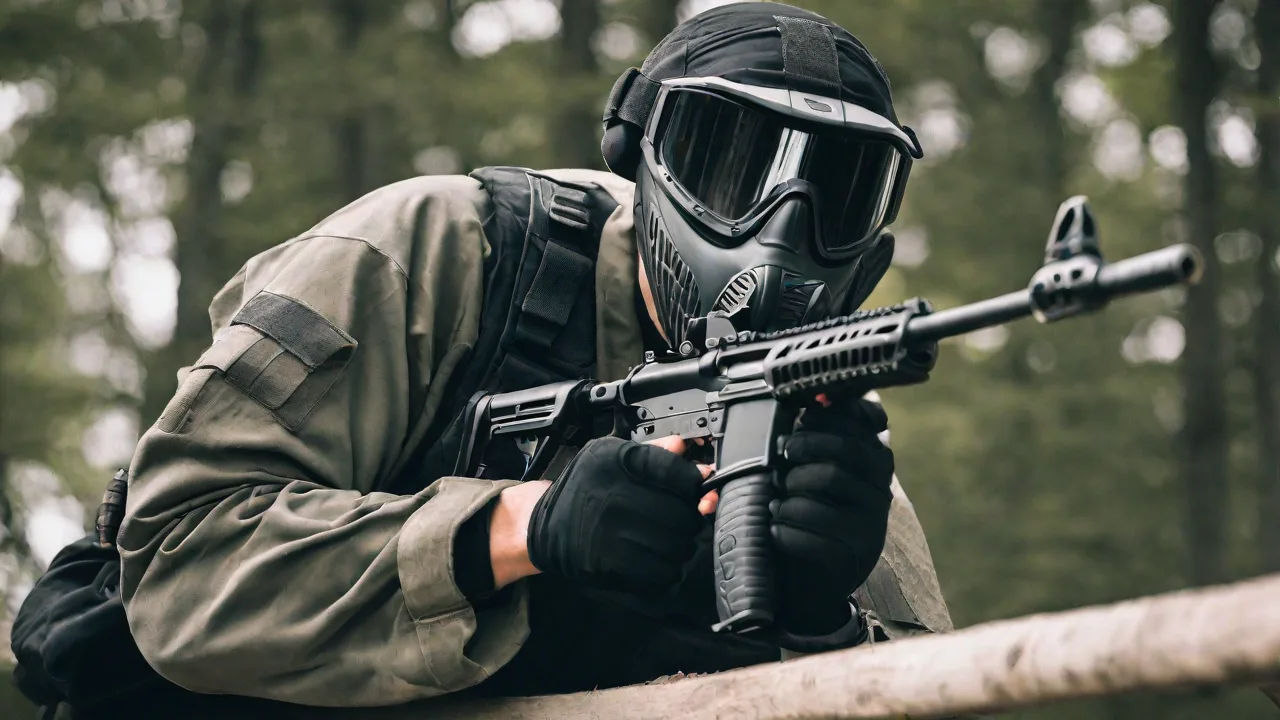
How to Build a DIY Paintball Cover for Tactical Advantage
Why a Custom Paintball Cover Gives You Real Tactical Advantage
In paintball, victory often depends on who controls the sight lines, who stays hidden longer, and who can break contact without being seen. Pre-made bunkers are expensive, heavy, and built for generic fields. A DIY paintball cover flips that equation. You choose the weight, the size, the camouflage pattern, and exactly how fast it deploys. Whether you play woodsball, speedball, or scenario games, a cover built for your body and your local terrain turns a defensive position into a weapon. You save money, but more importantly, you build a piece of gear that adapts to your tactics, not the other way around.
Understanding Tactical Advantage Through Concealment
A paintball cover isn’t just a wall to hide behind. It’s a tool for controlling engagement distances, masking movement, and breaking up your silhouette. A well-placed cover can turn a disadvantageous position into a power position. For example, a low-profile cover lets you lie prone and fire from unexpected angles while remaining invisible to opponents scanning at chest height. A tall cover can block vision across an entire lane, forcing the enemy to advance into your kill zone. The key is understanding that the shape, texture, and placement of your cover matter as much as the material.
What Makes a Good Paintball Cover?
- Lightweight and portable – you need to move it between rounds, sometimes under fire.
- Quick assembly – you shouldn’t waste game time fiddling with poles.
- Realistic camouflage – flat green tarps stand out; break up the outline with texture and irregular patterns.
- Durable anchor points – wind, movement, and hits can shift a poorly anchored frame.
- Multi-use design – one cover that works in woods, desert, or urban fields with quick camo swaps.
Materials and Tools: Building on a Budget
The beauty of a DIY paintball cover is that you can build it with a small budget and parts from any hardware store. Below is a core list with alternatives for different play styles.
| Component | Material Options | Quantity (approx.) |
|---|---|---|
| Fabric | Heavy-duty tarp, camouflage netting, burlap, old military surplus poncho, or ripstop nylon with camo pattern | 1 large piece (e.g., 6x8 ft) |
| Frame | PVC pipe (1/2 or 3/4 inch), fiberglass tent poles, aluminum tent poles, or flexible metal conduit | 4–6 lengths per side |
| Connectors | PVC elbows, T-joints, zip ties, bungee balls, paracord, velcro strips | As needed |
| Anchoring | Stakes (tent stakes or steel), rope, bungee cords, carabiners, sandbags | 4–8 stakes, 50 ft rope |
| Tools | Measuring tape, utility knife, scissors, marker, PVC cutter or hacksaw, lighter (to melt rope ends) | One each |
| Optional | Grommet kit, sewing machine, spray paint (for fabric), shock cord, buckles | As desired |
Choosing the Right Fabric for Your Environment
Fabric choice determines concealment, durability, and weight. Heavy-duty tarps are cheap and durable but weigh several pounds and reflect light. Camouflage netting alone provides excellent shadow breakup but offers little protection from wind or paint splatter. The best hybrid is a ripstop nylon shell with an integrated netting overlay. For woodsball, a burlap base with sewn-in natural fiber strips mimics dead leaves. For speedball, lightweight printed polyester that folds to the size of a water bottle is ideal. Consider the primary terrain where you play and match the base color: woodland green for forest, coyote brown for desert, gray for urban.
Planning Your Cover: Size, Shape, and Configuration
Before cutting anything, think about where you’ll use the cover. Different environments demand different designs. The three most effective configurations are low profile, standing height, and asymmetric lean-to. Each offers distinct tactical benefits.
Low Profile (Prone or Knee-High)
Best for woodsball or scenario games where you want to stay hidden in tall grass or behind logs. Frame height should be 12–18 inches. This cover doubles as a ghillie base. You can shoot over the top while prone. Use a rigid but lightweight frame such as fiberglass tent poles. The low profile minimizes wind load and makes you nearly invisible from a standing enemy’s perspective.
Standing Height (Chest to Shoulder Level)
Ideal for defensive positions or when you need to protect a larger area. Expect a frame height around 4–5 feet. You’ll need strong anchoring because wind catches larger fabric surfaces. This configuration works well for holding a lane or creating a base of fire. Add a small vision slit at eye level to observe without exposing your face.
Angled or Asymmetric Lean-To
An angled cover (like a lean-to) sheds wind and rain, plus it presents a non-rectangular silhouette that is harder to spot. A single sloping frame is easier to build with fewer materials. Lean-tos also channel sound away from your position and create a natural pocket for storing gear. This design is the most versatile for all fields.
Portable Folding Frame (Advanced)
Use shock-corded poles (like modern tent poles) to create a pop-up frame that folds down into a small bag. This is advanced but extremely practical for tournament play where speed matters. You can build a hub-and-spoke system with an aluminum central connector. The cover fabric is sewn to the poles using sleeves, allowing setup in under 30 seconds.
Step-by-Step Construction: From PVC to Field-Ready
Step 1: Measure and Cut the Frame
Decide the width and height of your cover. For a basic rectangular lean-to, cut four vertical poles (back two taller, front two shorter) and four horizontal poles (top, bottom, sides). A typical dimensions: base 6 ft wide, 3 ft deep, back height 4 ft, front height 2.5 ft. Cut PVC or metal poles accordingly. Use a measuring tape and mark all cuts before sawing. For PVC, a hacksaw or PVC cutter gives clean edges. For fiberglass, use a fine-tooth saw and sand the ends to prevent fraying.
Step 2: Assemble the Frame Joints
For PVC, use elbows and T-joints. Dry-fit first to test stability. For metal poles, use connectors designed for tent poles or lash them together with paracord and a square knot. The goal is a rigid but collapsible structure. Use zip ties at each joint for extra security; they’re cheap and easy to replace in the field. For a more permanent build, drill through the joints and insert a cotter pin or small bolt.
Step 3: Attach the Fabric
Lay the frame flat on the ground with the fabric centered on top. Wrap the fabric around the edges and secure it with zip ties, bungee balls, or paracord loops. For a more permanent solution, sew Velcro strips onto the fabric and glue the opposite side to the poles. This allows quick removal for washing or replacing damaged sections.
Tip: cut small slits in the fabric where zip ties pass through, then reinforce the edges with duct tape to prevent tearing. If you use grommets, space them every 12 inches along the bottom edge for easy staking.
Step 4: Add Camouflage and Disruption
A plain tarp screams “fake cover.” Improve concealment with these techniques:
- Spray paint irregular blotches in earth tones (brown, olive, dark green, black). Use leaves or stencils to create natural patterns. Apply from a distance of 8–12 inches to avoid overspray.
- Sew or tie natural vegetation (fern fronds, branches, grass) onto the fabric before each game. Attach them with zip ties so you can refresh quickly.
- Layer netting over solid fabric – the netting catches shadows and mimics leaf canopies. A dual-layer system with an air gap between the two layers provides thermal camouflage as well.
- Add 3D elements like loose loops of fabric (ghillie strips) around the edges. Use jute twine dyed in matching colors to create strands that break up the outline.
Step 5: Anchor System
Drill or cut small holes in the bottom edge of the fabric (reinforced with grommets if possible). Run a stake through each hole, then hammer stakes into the ground at a 45-degree angle opposite the tension direction. For soft ground, use longer stakes. For rocky terrain, tie ropes to nearby trees or fill sandbags and drape them over the bottom edge of the cover. Add a secondary anchor using a bungee cord from the top of the cover to a stake or tree to prevent sagging.
Field Testing and Adjustments
Never bring a new cover straight into a tournament without testing. Set it up at home and walk around it from different angles. Lie down behind it and have a friend stand 20 yards away and try to spot you. Check for gaps where paintballs could slip through or where your silhouette is visible. Adjust the angle or add more fabric as needed. Also test how quickly you can set it up and tear it down – practice until you can do it in under a minute. During testing, simulate game conditions: move behind the cover, shoot from different positions, and see how it holds up to wind.
Common Problems and Field Fixes
- Wind lifts the cover – add more stakes or place a heavy object (like a sandbag) on the bottom edge. Also triangulate the tie-downs by running ropes from the top corners outward.
- Fabric sags – tighten the bungee cords or replace with stiffer poles. Sag can also be fixed by adding a center pole or ridge line.
- Too heavy to carry – switch to thinner poles and lighter fabric (e.g., ripstop nylon instead of heavy tarp). Consider a two-piece frame that can be broken down into smaller bundles.
- Color mismatch with environment – repaint or add local vegetation. Carry a small spray bottle with diluted green and brown paint for quick touch-ups on the field.
- Noisy material – replace plastic connectors with fabric wraps or tape to eliminate the sound of PVC rubbing against PVC.
Variations for Different Play Styles
Speedball / Tournament Covers
In speedball, you need something that can be set up in seconds and folds flat. Use lightweight fiberglass tent poles and a ripstop nylon cover with a printed camo pattern (like “multicam” or woodland). Attach a carry handle. Make the cover symmetrical so you can flip it to face different directions without reassembling. Add a small bungee-tensioned webbing system that allows the cover to snap into shape in one motion.
Scenario / Big Game Covers
Scenario games last all day, so comfort matters. Build a larger cover that allows you to sit or lie flat. Include a side flap that can be rolled up for ventilation or rolled down for full concealment. Add a small pocket for extra pods or tools. Use a rainfly-style design with a waterproof coating. Consider adding a small ground sheet sewn into the bottom to create a “tub” floor that keeps you dry.
Urban / CQB Covers
For fields with buildings, use a gray or brown fabric that mimics concrete or sand. Keep the frame low and rigid. You can even build a “window blind” style cover that attaches to the side of a building using suction cups or straps. Use rigid aluminum poles that can be wedged into doorways or windows. Add a textured pattern that looks like brick or cinder block from a distance.
Maintenance and Longevity
With proper care, your DIY paintball cover will last many seasons. After each game, shake out dirt and vegetation. If the fabric is muddy, hose it off and let it dry completely before storing. Check PVC joints for cracks; replace any broken pieces immediately. Store the frame disassembled in a long duffel bag or tie the poles together with a bungee. Lubricate metal connectors with silicone spray to prevent rust. For fabric, store it in a cool dry place away from direct sunlight to prevent UV degradation. Inspect grommets and stitching regularly; re-stiffen with fabric tape as needed.
Safety Considerations
Your cover is a target. Do not build it so large that it creates a blind spot where you cannot see approaching players. Leave small vision ports (cut slits in the fabric with reinforced edges) or fold back a corner for a firing lane. Never use metal poles that could splinter or conduct electricity if hit near power lines. Always anchor your cover so it doesn’t collapse on you or a teammate. Finally, respect the field rules – some venues restrict homemade structures, so check with the refs beforehand. Use only non-reflective materials to avoid giving away your position under direct sunlight.
Advanced Enhancements
Once you’ve built a basic cover, consider these upgrades to take your tactical game to the next level:
- Double-layer fabric – an inner layer of shade cloth and an outer layer of camo netting reduces heat buildup and provides better concealment. The air gap also deadens sound and prevents dew from collecting on the inner surface.
- Silent setup – replace zip ties with velcro strips or buckles to eliminate the sound of tearing plastic when you deploy the cover mid-game. Use fabric loops instead of plastic hardware where possible.
- Mobility wheels – attach small wheels to one end of the frame so you can drag the cover while crawling (like a sled). Use skateboard wheels bolted to PVC connectors for quiet rolling.
- Multi-cam swap system – make two fabric covers (one for green/woodland, one for desert/tan) that share the same frame. Swap depending on the field. Use a zipper or button system for quick changes.
- Integrated shooting rest – add a padded rail across the top edge of the cover where you can rest your marker for increased accuracy.
Budget Breakdown
A basic DIY paintball cover costs between $20 and $50, depending on material choices. A heavy-duty tarp (6x8 ft) runs about $10, PVC pipe and connectors about $15, stakes and rope $5, and spray paint $5. Upgrading to ripstop nylon and fiberglass poles brings the cost to around $80, still far cheaper than commercial bunkers that cost $150–$300. Scenario players can build a cover for under $30 using scrap materials. The investment pays for itself in the first game when you remain hidden while opponents with store-bought covers are easily spotted.
Tactical Placement Strategies
Building the cover is only half the battle. Placement determines its effectiveness. Use these strategies during setup:
- Create depth – place the cover 10–20 yards behind the primary engagement line so that enemies who push past your teammates run into your gun.
- Use natural features – set up behind logs, rocks, or bushes so the cover blends into existing shapes.
- Offset your position – don’t center yourself behind the cover. Position slightly to one side so you can shoot around the edge while the cover draws fire to its center.
- Miniature “hide” – build two covers facing opposite directions to create a protected hide you can use to relocate safely.
Conclusion
Building a DIY paintball cover isn’t just a money-saving hack – it’s a strategic upgrade that forces opponents to respect your position. With basic materials like PVC pipe, a tarp, and some zip ties, you can create a concealment tool that fits your body, your tactics, and your local terrain. Customize the height, shape, and camouflage to match the game type, then practice with it until deployment becomes second nature. You’ll hit the field with confidence, knowing you have a hidden advantage that no off-the-shelf bunker can match. Stay low, stay sharp, and dominate your next game.
For further reading on tactical camouflage techniques, check out this military.com guide. If you’re interested in lightweight frame materials, this backpacker.com article on tent poles provides solid comparisons. For legal and safety rules at paintball fields, visit the Paintball Players Association. And for advanced camo patterning techniques, this Realtree guide offers professional tips.