Table of Contents
Paintball is an adrenaline-pumping, strategic sport that combines physical activity with tactical gameplay. Whether you're considering trying paintball for the first time or you're thinking about making it a regular hobby, understanding the financial commitment is crucial. The cost of paintball varies dramatically based on how often you play, whether you rent or buy equipment, and the type of paintball experience you're seeking.
This comprehensive guide breaks down every aspect of paintball costs—from your first game to becoming a regular player or competitive athlete. By the end, you'll have a clear picture of what to expect financially and how to make smart decisions that align with your budget and commitment level.
Understanding the Basics: Why Paintball Costs Vary
Before diving into specific numbers, it's important to understand why paintball pricing can seem confusing at first. Unlike some recreational activities with fixed costs, paintball expenses depend on several key factors:
Your playing frequency is the biggest cost determinant. Playing once a year at a birthday party costs far less than playing every weekend. The good news is that the more you play, the more economical it becomes per session—especially if you invest in your own equipment.
Your playing style also matters significantly. Are you interested in casual recreational games with friends, competitive speedball tournaments, or immersive mil-sim (military simulation) scenarios? Each style has different equipment needs and price points.
Geographic location affects prices considerably. Fields near major metropolitan areas typically charge more than rural locations. Additionally, indoor facilities often cost more to operate and may pass those costs to players through higher field fees.
The level of equipment you choose makes perhaps the most obvious difference. Entry-level gear serves beginners well, but as you develop skills and preferences, you might want upgrades that enhance performance, comfort, or aesthetics.
Understanding these variables helps you make informed decisions rather than getting sticker shock or accidentally overspending on features you don't need yet.
Breaking Down Paintball Costs: One-Time vs. Recurring Expenses
Paintball costs fall into two main categories: initial investments and recurring expenses. This distinction is crucial for budgeting effectively.
One-Time Initial Costs
Your initial costs include purchasing equipment you'll own indefinitely (or until you choose to upgrade). These represent your entry barrier but also your long-term savings if you play regularly.
The major one-time purchases include:
- Paintball marker (gun)
- Hopper (loader)
- Air tank (CO₂ or compressed air)
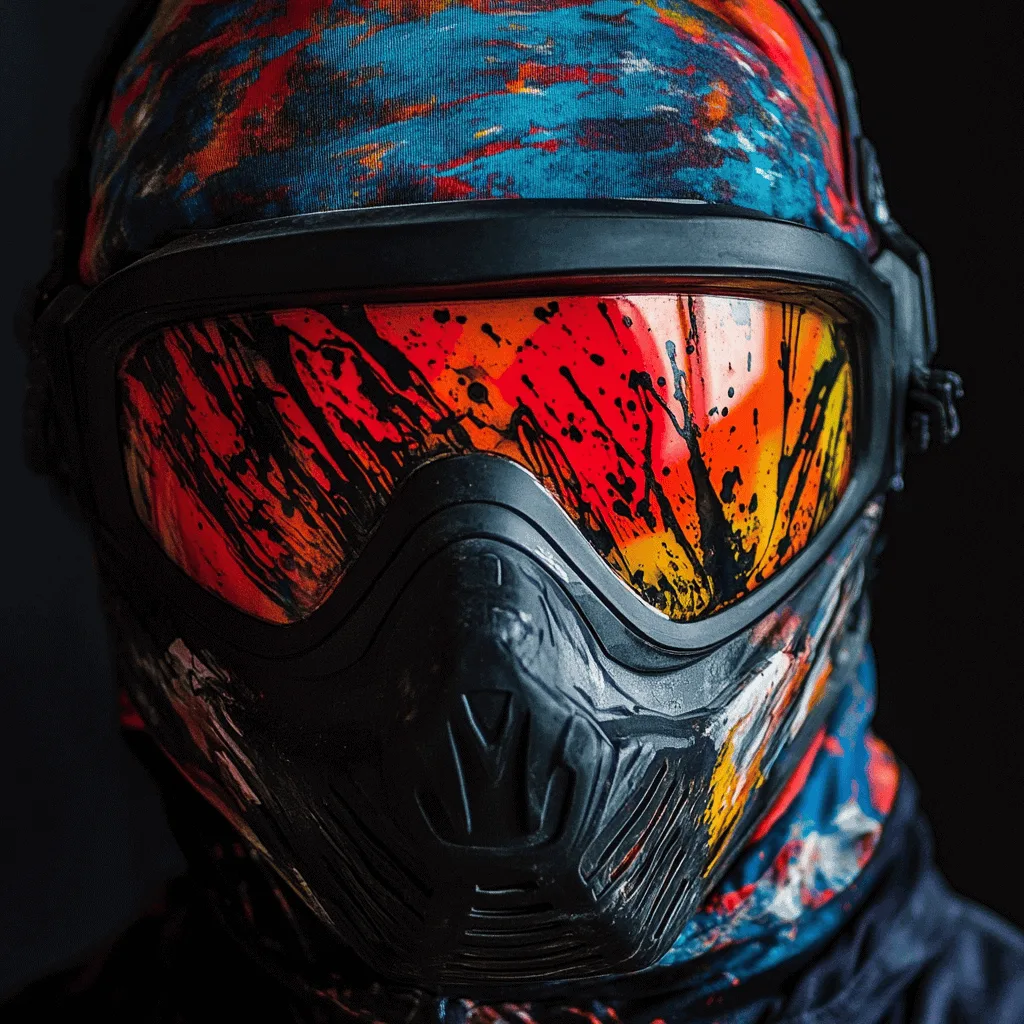
- Mask/goggles
- Protective gear and clothing
- Gear bag
- Pod pack and pods
- Optional upgrades and accessories
While these costs can seem substantial upfront, they eliminate rental fees and typically pay for themselves after 5-10 regular playing sessions.
Recurring Costs Per Game
Every time you play paintball, you'll encounter recurring expenses. These are unavoidable whether you own equipment or rent:
- Paintballs (your biggest recurring cost)
- Field entry fees
- Air fills or CO₂ refills
- Field paint if the venue requires it
- Transportation to and from the field
- Food and drinks
- Optional: replacement parts and maintenance supplies
Smart players learn to minimize these costs through bulk purchases, field memberships, and strategic planning.
Your First Game: What Does It Actually Cost?
For most people, their first paintball experience happens at a commercial field with rented equipment. This is actually the ideal approach—it lets you try the sport without major financial commitment.
Walk-On/Rental Package Pricing
Most paintball facilities offer all-inclusive rental packages for beginners. A typical first-timer package includes:
Basic rental package: $30-$50
- Entry to the field
- Paintball marker rental
- Mask/goggle rental
- Air tank rental
- Hopper rental
- Basic safety orientation
Important: This package usually does NOT include paintballs, which is where many first-timers get surprised. You'll need to purchase paint separately.
Paintball Ammunition for Your First Game
For your first outing, expect to use 200-500 paintballs if you're playing recreationally for a few hours. Conservative shooters might use less; trigger-happy beginners might use more.
Paintball costs at the field:
- 100-round tube: $7-$10
- 500-round bag: $15-$25
- 2,000-round case: $45-$80
Most first-timers start with a 500-round bag, which provides enough ammunition for 3-4 games without running out or carrying excess weight.
Realistic First-Day Total
Let's calculate a realistic first-day cost:
- Rental package: $40
- 500 paintballs: $20
- Extra air fills (if needed): $0-$5
- Lunch/snacks: $10-$15
- Total: $70-$80
This is a manageable entry point for most people wanting to try paintball for beginners. If you're going with a group or for a special event, some fields offer group discounts that can reduce per-person costs.
The Cost of Playing Paintball Regularly
Once you've caught the paintball bug and want to play regularly, the financial equation changes significantly. This is where owning your own equipment becomes cost-effective and where you'll start thinking more strategically about expenses.
Monthly Costs for Casual Regular Players
If you play 2-4 times per month casually, here's what to expect after your initial equipment purchase:
Per session costs:
- Field fee: $10-$25
- Paintballs (500-1,000 rounds): $20-$40
- Air fills: $3-$6
- Incidentals: $5-$10
- Session total: $40-$80
Monthly estimate (playing 3 times): $120-$240
This assumes you own your equipment. If you were renting each time, add $20-$30 per session, totaling $60-$90 extra per month.
Cost-Saving Strategies for Regular Players
Smart regular players employ several strategies to reduce costs:
Season passes and memberships: Many fields offer annual memberships ($100-$300) that include free or discounted entry, often paying for themselves after 5-10 visits.
Bring Your Own Paint (BYOP) fields: Some facilities allow you to purchase paintballs from outside vendors at lower prices. A case that costs $70 at the field might cost $35-$45 online or at sporting goods stores.
Bulk paintball purchases: Buying by the case instead of by the bag saves significant money. If you use 1,000 rounds per session, buying a 2,000-round case gives you ammunition for two sessions at a better per-round price.
Weekday discounts: Many fields offer reduced rates on weekdays when attendance is lower.
Team memberships: Joining a team often provides access to discounted rates and private practice sessions.
Complete Equipment Cost Breakdown
Understanding equipment costs is essential for making informed purchasing decisions. Let's break down each component with realistic price ranges and considerations.
Paintball Markers (Guns): The Heart of Your Setup
Your paintball marker is your primary equipment investment. Prices vary enormously based on technology, brand, and features.
Entry-Level Markers ($100-$250)
Markers in this range work great for beginners and casual players. They're typically mechanical or basic electronic markers with simple operation and good reliability.
Popular options include:
- Tippmann Cronus or Stormer ($90-$120)
- Spyder Victor ($80-$100)
- Empire Mini GS ($250-$300)
These markers are durable, easy to maintain, and hold resale value reasonably well. They won't win tournaments but they'll serve you well for recreational play.
Mid-Range Markers ($250-$600)
Mid-range markers offer better accuracy, consistency, and features. They're suitable for serious recreational players and entry-level competitive players.
Options include:
- Planet Eclipse ETHA 2 ($350-$425)
- Dye Rize CZR ($250-$350)
- Empire Axe 2.0 ($325-$400)
These markers feature better build quality, more consistent air efficiency, and improved ergonomics. They're where most experienced recreational players settle.
High-End Markers ($600-$2,000+)
Tournament-grade markers provide maximum performance, customization, and prestige. These are for competitive players and serious enthusiasts.
Elite options include:
- Planet Eclipse CS3 ($1,500-$1,900)
- Dye M3+ ($1,600-$2,000)
- Luxe X ($1,200-$1,600)
High-end markers offer exceptional shot quality, adjustability, and aesthetics. However, the performance difference between a $400 marker and a $1,500 marker is much smaller than the price difference suggests—your skill matters far more than equipment at this level.
Masks: Your Most Important Purchase
Never compromise on mask quality. Your paintball mask protects your eyes, face, and ears while dramatically affecting your playing experience.
Budget Masks ($20-$50)
Basic masks like the JT Raptor or Valken MI-3 provide essential protection but often fog easily and offer limited peripheral vision. They're acceptable for trying paintball but uncomfortable for regular play.
Mid-Range Masks ($50-$100)
This is the sweet spot for most players. Masks like the Dye i4/i5, Empire E-Flex, or V-Force Grill offer:
- Anti-fog thermal lenses
- Better ventilation
- Wider field of vision
- Comfortable foam padding
- Quick lens changes
Premium Masks ($100-$200+)
High-end options like the HK Army KLR or Push Unite provide maximum comfort, the widest vision, and superior build quality. Competitive players prefer these for good reason, but casual players can do fine with mid-range options.
Pro tip: Buy the best mask you can afford before upgrading your marker. Clear vision and comfort affect your performance more than marker capabilities, especially when you're learning.
Air Systems: CO₂ vs. Compressed Air (HPA)
Your air system powers your marker. Understanding the differences helps you choose wisely.
CO₂ Tanks ($15-$40)
CO₂ is the budget-friendly option:
- Lower upfront cost
- Widely available
- Works fine for mechanical markers
Downsides include inconsistent pressure in cold weather and unsuitability for electronic markers.
Compressed Air/HPA Tanks ($50-$250+)
High-Pressure Air (HPA) is the preferred choice for serious players:
- Consistent pressure in all weather
- Required for most electronic markers
- More shots per fill
- Cleaner for your marker's internals
Tank prices vary by capacity (48ci, 68ci, 77ci, 90ci) and pressure rating (3,000 psi or 4,500 psi). A standard 68ci/4,500psi tank ($130-$180) suits most players perfectly.
Certification note: All air tanks require hydro-testing/recertification every 3-5 years ($25-$40), which is a hidden recurring cost to factor in.
Hoppers (Loaders): Feeding Your Marker
Hoppers feed paintballs into your marker. Your choice depends on your marker and playing style.
Gravity-Fed Hoppers ($10-$30)
Simple gravity hoppers work fine with basic mechanical markers that shoot slowly. They're cheap but limit your rate of fire.
Electronic Hoppers ($40-$200)
Electronic hoppers actively force paintballs into your marker, enabling rapid firing. Essential for electronic markers.
Options include:
- Dye LT-R ($80-$100) - Great value
- Virtue Spire IR2 ($150-$180) - High capacity, reliable
- Dye Rotor R2 ($140-$160) - Tournament standard
Most recreational players do well with entry or mid-range electronic hoppers.
Protective Gear and Clothing
Beyond your mask, additional protection enhances safety and comfort.
Paintball-Specific Padding ($30-$150)
- Chest protectors: $25-$60
- Padded pants: $40-$100
- Sliding shorts/knee pads: $20-$50
- Gloves: $15-$40
Padding is optional but highly recommended, especially for aggressive players and those new to the sport. Getting hit hurts less with padding, which helps you play confidently.
Playing Clothing
You don't need specialized clothing, but the right choices improve your experience:
- Old long-sleeve shirt and pants (free-$20)
- Paintball-specific jerseys ($30-$70)
- Paintball pants with padding ($50-$150)
- Cleats or sturdy boots ($40-$100)
Dark colors hide paint stains better than light colors. Avoid loose clothing that snags on obstacles.
Pod Packs and Pods: Carrying Extra Paint
If you shoot more than your hopper holds (typically 200-250 rounds), you need pods and a pack to carry them.
Pod packs (harnesses): $20-$80 Pods (tubes): $3-$8 each (buy 4-6)
Total investment: $35-$130 depending on quality and capacity.
Accessories and Extras
Various accessories enhance your experience:
- Barrel swabs/squeegees: $5-$15
- Multi-tools: $10-$25
- Barrel socks: $5-$10
- Spare O-rings and parts: $10-$20
- Gear bags: $30-$100
- Pod swabs: $5-$10
- Loader swabs: $10-$15
Budget $50-$100 for a basic accessories kit.
Complete Beginner Setup Cost Examples
Let's look at realistic complete setups at different budget levels:
Ultra-Budget Setup ($250-$350)
- Used/entry marker: $100-$150
- Basic mask: $30-$50
- CO₂ tank: $20
- Gravity hopper: $15
- Accessories: $25
- Total: $250-$310
Smart Beginner Setup ($450-$650)
- Quality entry marker: $200-$300
- Good mask: $70-$90
- HPA tank (48ci): $60-$80
- Electronic hopper: $50-$80
- Pod pack and pods: $40-$60
- Accessories: $30-$40
- Total: $450-$650
Serious Player Setup ($900-$1,400)
- Mid-range marker: $350-$500
- Quality mask: $80-$120
- HPA tank (68ci): $130-$180
- Premium hopper: $120-$160
- Padded gear and clothing: $100-$150
- Pod pack and pods: $60-$80
- Complete accessories: $60-$100
- Gear bag: $40-$60
- Total: $940-$1,350
These packages provide everything you need to play independently without rentals.
The Cost of Paintballs: Your Biggest Recurring Expense
Paintballs represent your largest ongoing cost. Understanding paint quality, pricing, and consumption helps you budget effectively.
Understanding Paintball Quality and Price
Not all paintballs are created equal. Quality affects accuracy, breakability, and your overall experience.
Recreational/Practice Grade Paint ($25-$40 per case)
These paintballs work fine for casual play and practice:
- Less consistent shell quality
- May not break on every hit
- Adequate accuracy for recreational distances
- Storage life: 3-6 months
Mid-Grade Paint ($40-$60 per case)
Better quality for serious recreational players:
- More consistent shells
- Better accuracy
- Higher fill-to-break ratio
- Storage life: 6-9 months
Tournament Grade Paint ($60-$90+ per case)
Professional-level paintballs for competitive play:
- Extremely consistent sizing
- Brittle shells that break reliably on soft hits
- Maximum accuracy
- Bright, visible fill
- Storage life: 9-12 months with proper care
For casual play, mid-grade paint offers the best balance of performance and value.
How Many Paintballs Do You Need?
Consumption varies dramatically based on playing style and game type.
Conservative players: 200-400 rounds per session
- Careful shooters
- Strategic play
- Woodsball scenarios
Average players: 500-800 rounds per session
- Balanced shooting
- Standard recreational play
- Mix of game types
Aggressive players: 1,000-1,500+ rounds per session
- Speedball players
- Heavy suppressive fire
- Tournament competitors
As a beginner, start with 500 rounds. Track your consumption to predict future needs accurately.
Cost Per Session Based on Consumption
Using mid-grade paint at $50 per case (2,000 rounds):
- 500 rounds: $12.50
- 1,000 rounds: $25.00
- 1,500 rounds: $37.50
- 2,000 rounds: $50.00
Over a year playing twice monthly:
- Conservative shooter: $300 annually
- Average shooter: $600 annually
- Aggressive shooter: $900 annually
This doesn't include other session costs, but it illustrates why paint consumption significantly impacts your overall paintball budget.
Buying Paintballs: Where and How
At the field ($45-$80 per case)
- Convenient
- Guaranteed fresh
- Required at Field Paint Only (FPO) venues
- Most expensive option
Online retailers ($30-$60 per case + shipping)
- Better prices
- Buy in bulk for discounts
- Requires planning ahead
- Shipping can be expensive or free with large orders
Local sporting goods stores ($35-$65 per case)
- Middle-ground pricing
- Can inspect before buying
- Limited selection
Pro shops ($35-$70 per case)
- Expert advice
- Fair pricing
- Supports local paintball community
Money-saving strategies:
- Split cases with teammates to reach bulk pricing
- Buy during off-season sales (winter)
- Join field loyalty programs
- Purchase by the pallet for maximum savings (50+ cases)
Storage tip: Keep paintballs in a cool, dry place. Rotate stock to use older paint first. Proper storage prevents dimpling and degradation.
Field Fees and Playing Costs
Beyond equipment and paint, playing paintball incurs field fees and related costs.
Standard Field Entry Fees
Commercial recreational fields ($15-$30)
- Walk-on play
- Public sessions
- Mixed skill levels
- Multiple game types
Speedball/tournament fields ($20-$40)
- Competitive atmosphere
- Timed games
- Often require membership
- Higher maintenance costs
Scenario/big game events ($40-$100+)
- Special events
- All-day play
- Often include catered meals
- Theatrical gameplay elements
Indoor facilities ($20-$35)
- Climate-controlled
- Year-round availability
- Often higher quality rental equipment
- Premium pricing
Field Memberships and Season Passes
Many facilities offer memberships that provide significant value for regular players:
Basic memberships ($100-$200 annually)
- Free or discounted entry
- Discounts on paint and rentals
- Early registration for events
- Breaks even after 5-10 visits
Premium memberships ($250-$500 annually)
- Everything in basic tier
- Deeper discounts (20-30% off)
- Access to members-only sessions
- Priority field access
- Team affiliation opportunities
Team memberships ($500-$1,500 annually)
- Dedicated practice time
- Tournament entry discounts
- Sponsored team benefits
- Coaching opportunities
- Private field rental hours
Calculate your playing frequency. If you visit 10+ times yearly, a membership almost always saves money.
Air Fills and Refills
Every player needs air fills throughout their playing day.
CO₂ refills: $3-$5 per fill
- Cheap and widely available
- Multiple fills per session if you shoot heavily
HPA refills: $3-$8 per fill
- Price varies by tank size
- Larger tanks need fewer fills
- Some memberships include free fills
Most players need 1-3 fills per session depending on their tank size and paint consumption.
Field Paint Only (FPO) Policies
Many fields enforce Field Paint Only policies requiring you to purchase paintballs exclusively from them. This affects your costs significantly.
FPO advantages (from field perspective):
- Ensures quality paint (prevents barrel breaks from poor paint)
- Prevents players bringing frozen or otherwise dangerous paintballs
- Primary revenue source for fields
FPO disadvantages (from player perspective):
- Higher paint costs ($60-$80 vs $35-$50 per case)
- Eliminates shopping around
- Increases per-session costs by $15-$30
Some fields offer FPO but have competitive pricing to retain customers. Others allow Bring Your Own Paint (BYOP) to attract price-conscious players.
Research fields in your area to find those with policies matching your budget priorities.
Group Events and Private Rentals
Playing with a private group changes the cost structure:
Birthday party packages ($300-$600 for 10-15 people)
- Rentals included
- Paint packages
- Private field time
- Party area access
Corporate events ($800-$2,500 for 20-40 people)
- Everything in birthday tier
- Extended play time
- Catering often available
- Team building activities
Private field rentals ($200-$500 per hour)
- Exclusive access
- Bring your own group
- Custom game types
- Popular for serious teams and training
Per-person costs in group events typically run $30-$60 including rentals and paint—competitive with walk-on pricing while providing a more controlled experience.
Different Types of Paintball: How Costs Vary
Paintball encompasses several distinct playing styles, each with different cost implications.
Recreational/Woodsball Costs
Woodsball is the most common and accessible form of paintball, featuring natural terrain, inflatable and wooden bunkers, and varied game scenarios.
Typical session costs:
- Field fee: $15-$25
- Paint (500 rounds): $15-$25
- Air fills: $3-$5
- Total: $33-$55
Woodsball players typically use less paint due to longer-range engagements and strategic gameplay. Equipment needs are modest—mid-range gear performs excellently.
Woodsball advantages:
- Lower paint consumption
- Outdoor, varied terrain
- Accessible to all ages and fitness levels
- Less equipment-intensive
Speedball/Tournament Costs
Speedball features inflatable bunkers on turf fields with fast-paced, competitive gameplay requiring high rates of fire.
Typical session costs:
- Field fee: $20-$40
- Paint (1,000-1,500 rounds): $35-$50
- Air fills: $5-$10
- Total: $60-$100
Speedball demands more equipment investment. Players typically use electronic markers, premium paint, and high-capacity systems. However, it offers the most competitive gameplay for those seeking that experience.
Speedball implications:
- Higher paint consumption (2-3x woodsball)
- Premium equipment recommended
- More expensive fields
- Greater skill development opportunities
Scenario/MilSim Costs
Scenario paintball recreates military operations or historical battles over hours or days, with immersive storylines and objectives.
Event costs:
- Registration: $50-$150
- Paint (1,000-3,000 rounds): $40-$120
- Meals (often included): $0-$30
- Camping (multi-day events): $0-$30
- Total: $90-$330
Scenario events happen monthly or quarterly rather than weekly. Players often invest in themed gear matching their faction (SWAT, military, zombies, etc.), adding $100-$500 in costume costs.
Scenario considerations:
- Infrequent but expensive events
- High entertainment value
- Significant time commitment
- Memorable experiences
Magfed Paintball Costs
Magazine-fed paintball uses markers that load from magazines rather than hoppers, simulating realistic weapon handling.
Equipment differences:
- Magfed markers: $250-$800
- Magazines (need 6-10): $15-$30 each = $90-$300
- Total extra investment: $340-$1,100
Playing costs:
- Lower paint consumption (limited capacity forces conservation)
- Same field fees
- Growing magfed-specific events
Magfed appeals to military simulation enthusiasts willing to invest in realistic gameplay at the expense of firepower.
Hidden Costs New Players Don't Expect
Experienced players know that paintball costs extend beyond obvious expenses. Here are hidden costs that surprise beginners:
Transportation and Travel
Unless you live next to a field, transportation represents a real ongoing cost:
Local fields (within 30 minutes):
- Fuel: $5-$15 per trip
- Vehicle wear: minimal
Regional fields (1-3 hours away):
- Fuel: $20-$60 per trip
- Tolls: $5-$20
- Vehicle wear: moderate
- Potentially overnight stays: $80-$150
If you play at premium fields far from home, transportation might add $30-$80 per session—nearly doubling your base costs.
Carpooling with teammates dramatically reduces this expense and builds team camaraderie.
Cleaning and Maintenance
Paintball equipment requires regular maintenance:
Marker maintenance ($20-$50 annually):
- Replacement O-rings: $10
- Lubricants: $8-$15
- Cleaning supplies: $5-$10
- Occasional professional service: $30-$60
Gear cleaning:
- Mask cleaning supplies: $5-$10 annually
- Clothing laundering: standard home laundry costs
- Barrel cleaning: included in maintenance above
Proper maintenance extends equipment life significantly, making these costs worthwhile investments.
Broken or Lost Equipment
Accidents happen in paintball:
Common losses and replacements:
- Lost pods: $5-$8 each
- Broken mask lenses: $15-$40
- Damaged hoppers: $40-$200
- Broken pack harnesses: $25-$80
Budget $30-$50 annually for replacement parts and repairs. Careful players spend less; aggressive speedball players spend more.
Upgrades and Modifications
Once you're hooked on paintball, you'll want upgrades:
Common upgrades:
- Better barrels: $40-$150
- Upgraded internals: $30-$100
- Custom grips and accessories: $20-$60
- Cosmetic modifications: $30-$200
These aren't necessary but they're extremely tempting. Set a separate "upgrade budget" to avoid overspending on non-essential improvements.
Photography and Videos
Many players want to capture their games:
Options:
- GoPro or action camera: $150-$400
- Mounts and protective housing: $30-$80
- Memory cards: $15-$40
- Editing software: $0-$20 monthly
Field photographers sometimes offer packages ($20-$40) for professional photos of your day. While optional, many players treasure these memories.
Food and Beverages
Full days at the field require sustenance:
Typical spending:
- Lunch: $8-$15
- Snacks and drinks: $5-$10
- Total: $13-$25 per session
Packing your own food saves significant money over a year. If you play 24 times annually, that's $312-$600 in food costs—enough for several cases of paintballs.
Gear Insurance
High-end equipment might warrant insurance:
Options:
- Homeowner's/renter's insurance riders: $10-$30 annually
- Specialized sports equipment insurance: $50-$100 annually
- Field insurance programs: varies
For equipment worth $1,000+, insurance provides peace of mind against theft or catastrophic damage.
How to Save Money on Paintball
Smart players employ various strategies to minimize paintball expenses without sacrificing enjoyment.
Buy Used Equipment Intelligently
The used market offers substantial savings:
- PbNation forums (industry standard marketplace)
- Facebook marketplace and groups
- Local paintball shops
- Teammate sales
Savings potential: 30-60% off retail prices
Smart buying tips:
- Research market values before purchasing
- Inspect items in person when possible
- Ask for shooting videos of markers
- Request recent maintenance history
- Avoid "too good to be true" deals (likely scams or stolen goods)
Best used purchases: High-end markers depreciate significantly while remaining excellent performers. A $1,500 marker bought for $700 used performs identically to the new version.
Risky used purchases: Masks (hygiene concerns), air tanks near hydro dates (needs immediate recertification), heavily used mechanical markers (worn internals).
Bulk Buying and Group Purchases
Case splits: Split 50-100 case orders with teammates for maximum per-case savings and shared shipping costs.
Bulk buying advantages:
- 20-40% discount on paintballs
- Free or reduced shipping on large orders
- Stable supply for the season
Group orders for gear occasionally unlock dealer pricing or volume discounts on accessories and soft goods.
Off-Season Deals and Sales
When to buy:
- Black Friday/Cyber Monday: 20-40% off retail
- January-February: Post-holiday clearances
- End of summer: Fall clearances
- When new models release: Previous versions discounted
What to buy off-season: Paint stores well for 6-12 months in proper conditions. Stock up during winter sales for spring and summer use.
Become a Referee or Field Worker
Many fields offer work-for-play programs:
Refereeing:
- Free or discounted entry
- Free paint allowances
- Equipment discounts
- Insider knowledge of field operations
Requirements: Safety orientation, good judgment, communication skills, weekend availability
Field work:
- Setup and teardown help
- Equipment cleaning and maintenance
- General labor
Compensation: Usually free play and paint rather than cash, making it perfect for budget-conscious players.
Start a Team or Join One
Team benefits:
- Group discounts (10-30% at many fields)
- Shared equipment (backup markers, tanks, accessories)
- Bulk paint purchases
- Sponsor opportunities (advanced teams)
- Practice space access
- Collective knowledge reducing costly mistakes
Starting or joining a team transforms paintball from an individual hobby into a social activity with financial advantages.
DIY Maintenance and Repairs
Learn basic maintenance:
- O-ring replacement
- Marker disassembly and cleaning
- Velocity adjustment
- Basic troubleshooting
Resources:
- YouTube tutorials (free)
- Manufacturer manuals (free)
- Online forums (free)
- Local pro shop workshops (free-$50)
Savings: Professional marker servicing costs $30-$60. DIY maintenance costs $10-$20 annually once you have basic supplies.
Make Smart Paint Choices
Don't overbuy paint. Many beginners purchase full cases thinking they'll use it all, then end up with leftover paint that degrades.
Match paint quality to playing style. Don't buy tournament paint for casual woodsball—the extra cost provides minimal benefit.
Store paint properly. Well-stored paint lasts months. Poorly stored paint degrades in weeks, wasting money.
Compare Field Options
Not all fields offer equal value:
Research:
- Entry fees
- Paint pricing and policies (FPO vs. BYOP)
- Membership options
- Distance from home
- Group discounts
- Player reviews
Sometimes traveling slightly farther to a BYOP field or one with better membership programs saves $20-$40 per session—quickly offsetting transportation costs.
Competitive Paintball Costs
For players interested in tournament paintball, costs escalate significantly but the experience justifies the investment for many.
Tournament Entry Fees
Local tournaments: $150-$300 per team ($30-$60 per player for 5-player teams)
Regional events: $400-$800 per team ($80-$160 per player)
National events (NXL, CFOA): $1,000-$2,000+ per team ($200-$400 per player)
Entry fees usually include some paint and compressed air but rarely cover your full needs.
Paint Consumption in Tournaments
Competitive players shoot significantly more paint:
Practice leading to event: 5-10 cases Tournament weekend: 5-15 cases per player
Total cost: $500-$1,250 in paint alone per player per event
Elite tournament teams may budget $10,000-$20,000 in paint annually.
Travel and Accommodation
Regional events:
- Hotel (2-3 nights): $200-$400
- Meals: $100-$200
- Transportation: $50-$200
- Total: $350-$800
National events:
- Airfare: $200-$600
- Hotel (3-4 nights): $400-$800
- Meals: $150-$300
- Rental car or other ground transportation: $100-$300
- Total: $850-$2,000
Serious tournament players attend 5-10 events annually, with 2-3 requiring significant travel.
Equipment Standards
Minimum competitive setup: $1,200-$2,000 Professional setup: $2,500-$4,000+
Tournament play demands reliable, high-performance equipment. Most serious competitors own backup markers ($400-$800 additional) to avoid elimination due to equipment failure.
Coaching and Training
Team coaches: $50-$200 per session or $500-$2,000 annually
Training camps: $300-$800 for weekend intensive programs
Professional coaching accelerates improvement but adds substantial costs beyond base playing expenses.
Annual Tournament Player Budget
Amateur tournament player (5-7 events annually):
- Equipment: $1,500 initial
- Paint: $3,000-$5,000
- Entry fees: $300-$500
- Field fees: $500-$800
- Travel: $1,500-$3,000
- Annual total: $5,800-$9,800
Professional tournament player (10-15 events):
- Equipment: $2,500 initial + $500 maintenance/upgrades
- Paint: $8,000-$12,000
- Entry fees: $1,500-$3,000
- Field fees: $1,000-$1,500
- Travel: $5,000-$10,000
- Coaching: $500-$2,000
- Annual total: $18,500-$30,000
These numbers explain why sponsorships become crucial for serious competitive players.
Regional Cost Variations
Paintball costs vary significantly by location. Understanding regional differences helps you budget appropriately or plan paintball tourism.
Urban vs. Rural Pricing
Major metropolitan areas (New York, Los Angeles, Chicago):
- Field fees: $25-$40
- Paint: $60-$80 per case
- Equipment prices: MSRP (manufacturer suggested retail price)
- Higher costs due to real estate, wages, insurance
Rural/small town areas:
- Field fees: $10-$20
- Paint: $35-$50 per case
- Equipment prices: Often below MSRP
- Lower overhead enables better pricing
Savings potential: Rural players might save 40-50% per session compared to urban players—enough to justify traveling to less expensive areas or relocating for serious players.
International Paintball Costs
European paintball:
- Generally 20-30% more expensive than US
- Limited BYOP options
- High-quality facilities
Latin American paintball:
- Similar or slightly lower costs than US
- Growing scene in Mexico, Brazil, Colombia
Asian paintball:
- Varies dramatically by country
- Established scenes in Philippines, Japan, Malaysia
- Can be expensive in Japan, affordable in Southeast Asia
Canadian paintball:
- Comparable to US northern tier states
- Strong competitive scene
Finding Cost-Effective Local Options
Research methods:
- Google Maps reviews and ratings
- Facebook groups for your region
- Reddit r/paintball and regional subreddits
- PbNation forum regional sections
- Ask at local sporting goods stores
Questions to ask:
- Entry fees and membership options?
- FPO or BYOP?
- Case paint prices?
- Group discounts?
- Rental quality?
- Field maintenance and game quality?
Most players find their "home field" within 30-45 minutes offering the best balance of cost, quality, and accessibility.
Age Considerations: Youth, Teen, and Adult Costs
Paintball appeals to various age groups, each with distinct cost considerations.
Youth Paintball (Ages 8-12)
Many fields offer youth programs with modified rules and equipment:
Low-impact paintball:
- Smaller, lighter paintballs
- Lower velocity (around 200 fps vs. 280 fps)
- Lighter markers
- Typically $25-$40 including rentals and paint
Youth paintball reduces pain concerns while introducing kids to the sport safely. If your child shows sustained interest, junior equipment packages cost $150-$300—less than standard adult equipment.
Teen Paintball (Ages 13-17)
Teenagers typically transition to standard paintball:
Cost considerations:
- Growth spurts may require replacing clothing/gear
- Higher paint consumption than adults (enthusiasm exceeds patience)
- Group outings with friends
- Birthday party venue costs
Budget tip: Rent until physical growth stabilizes and commitment is proven. Buying gear for a 13-year-old who might quit at 14 wastes money.
Adult Paintball (Ages 18+)
Adults have the most flexibility but also the most competing financial priorities:
Common scenarios:
- Bachelor/bachelorette party groups
- Corporate team building
- Regular recreational play
- Competitive involvement
Financial advantages: Higher incomes enable quality equipment purchases and regular play without parental involvement.
Senior/Older Adult Paintball
Paintball isn't just for the young. Players into their 50s, 60s, and beyond enjoy the sport:
Considerations:
- May prefer less aggressive play styles
- Value quality over economy (comfort matters more)
- Often have more disposable income
- Appreciate scenario and recreational over speedball
Physical accommodations: Good knee pads, quality gloves, and padded gear improve comfort without significantly increasing costs.
Making Paintball Affordable: Complete Budget Strategies
If you're passionate about paintball but concerned about costs, these comprehensive strategies help you play within your means.
Set a Realistic Budget
Determine your financial commitment:
- How much can you allocate monthly? ($100? $200? $500?)
- How often do you want to play? (Monthly? Bi-weekly? Weekly?)
- What's your equipment budget? (Start with $300? $600? $1,000?)
Create a paintball savings account. Setting aside $50-$100 monthly builds funds for equipment purchases while covering regular playing costs.
Start Small, Expand Gradually
Year one plan for budget-conscious players:
- Months 1-3: Rent equipment, play monthly, spend $200 total
- Months 4-6: Buy mask and basic gear, continue renting marker, spend $250 total
- Months 7-12: Buy entry-level complete setup, play bi-monthly, spend $600 total
- Year one total: $1,050 for equipment and 10+ playing sessions
This gradual approach prevents buyer's remorse and spreads costs across the year.
Free and Low-Cost Alternatives
Free practice:
- Dry-fire drills at home (no paint needed)
- Fitness training for improved on-field performance
- Watching tournament videos and studying tactics
- Maintenance and repair practice
Low-cost playing:
- Volunteer as referee for free play
- Organize private games at friends' properties (check local laws)
- Off-peak weekday discounts
- Bring-your-own-everything approach at BYOP fields
Paintball on $100 Per Month
Is it possible? Absolutely, with smart choices:
Monthly budget breakdown:
- Field fee (2 sessions): $40
- Paint (1,000 rounds): $35
- Air fills: $10
- Maintenance: $5
- Savings toward equipment: $10
- Total: $100
This allows twice-monthly play after initial equipment purchase. It's recreational rather than competitive-level involvement, but it's sustainable and enjoyable.
When Paintball Becomes Unaffordable
Warning signs:
- Skipping other bills to play paintball
- Credit card debt for equipment
- Relationship strain over spending
- Sacrificing necessities for paintball
If you notice these signs, reassess your involvement. Consider scaling back frequency, volunteering for free play, or taking a temporary break to stabilize finances.
Paintball should enhance your life, not create financial stress. There's no shame in adjusting your participation to match your current financial reality.
Frequently Asked Questions About Paintball Costs
Is paintball expensive compared to other hobbies?
Paintball costs are moderate compared to other action sports:
More expensive than:
- Video gaming ($500 annually)
- Casual hiking (minimal costs)
- Basketball at public courts (minimal costs)
Similar cost to:
- Skiing/snowboarding ($1,000-$2,000 annually)
- Golf ($800-$1,500 annually)
- Mountain biking ($800-$1,800 annually)
Less expensive than:
- Motorsports ($5,000+ annually)
- Scuba diving ($1,500-$3,000 annually)
- Competitive shooting sports ($2,000+ annually)
The sport's perceived expense comes from poor budgeting rather than inherent unaffordability for most hobbyists.
How much should a beginner budget for their first year?
Conservative beginner (monthly play):
- Equipment: $450
- Playing costs (12 sessions): $480
- Maintenance and extras: $70
- Total: $1,000
Regular beginner (bi-monthly play):
- Equipment: $700
- Playing costs (24 sessions): $960
- Maintenance and extras: $140
- Total: $1,800
These budgets provide quality experiences without overspending before confirming long-term commitment.
Can you play paintball cheaply?
Yes, through strategic choices:
- Always rent initially
- Buy used equipment
- Play at BYOP fields
- Limit paint consumption through tactical play
- Take advantage of group discounts
- Volunteer for work-trade programs
Minimum sustainable costs: $30-$50 per session with owned equipment, playing monthly = $360-$600 annually beyond initial equipment purchase.
What costs do most beginners forget?
Commonly overlooked expenses:
- Transportation to fields
- Food and drinks during all-day events
- Replacement parts and maintenance
- Tank hydro testing every 3-5 years
- Cleaning supplies
- Backup pods when you lose them
- Barrel covers/socks
- Extra clothing for changing after play
Budget an extra 20% beyond your calculated costs to cover these forgotten items.
Is buying equipment worth it?
Break-even analysis:
Rental costs: $25 per session Owned equipment: $500 initial investment
Break-even point: 20 sessions
If you play monthly, you break even in under two years. Bi-monthly players break even in less than one year. Beyond that, you save money while enjoying better, personalized equipment.
Worth buying when:
- You're playing 10+ times per year
- You're certain you'll stick with paintball
- You want better quality than rentals
- You're joining a team
Not worth buying when:
- You play 1-2 times per year
- You're trying paintball for the first time
- Your finances are tight
- You're unsure about continued commitment
How do tournament players afford it?
Methods serious players use:
- Sponsorships: Equipment, paint, or cash from manufacturers and shops
- Team pooling: Shared costs across team members
- Work-trade programs: Field work in exchange for paint and entries
- Strategic jobs: Working at paintball shops or fields for discounts
- Prioritization: Paintball becomes primary hobby, cutting other entertainment costs
Many competitive players spend $10,000-$20,000 annually, treating paintball as their main recreational activity rather than one hobby among many.
Does it get cheaper the more you play?
Generally, yes:
Economies of scale:
- Fixed equipment costs spread across more sessions
- Bulk paint purchases reduce per-round costs
- Membership discounts kick in
- Improved skills mean less wasted paint
- Knowledge helps avoid costly mistakes
However: Increased involvement may tempt upgrades and more expensive equipment, potentially increasing rather than decreasing costs. Discipline in resisting unnecessary upgrades maintains cost efficiency.
The True Value of Paintball: Beyond the Price Tag
While this guide focuses heavily on financial costs, paintball's value extends far beyond dollars spent.
Health and Fitness Benefits
Physical benefits:
- Cardiovascular exercise (walking, running, crawling)
- Strength building (carrying equipment, low positions)
- Flexibility and agility development
- Hand-eye coordination improvement
- Endurance building
A typical paintball day involves 4-6 hours of intermittent physical activity—equivalent to a solid gym workout but far more enjoyable for many people.
Mental benefits:
- Stress relief and emotional release
- Strategic thinking and problem-solving
- Quick decision-making under pressure
- Spatial awareness development
These benefits have value that's difficult to quantify but shouldn't be overlooked when evaluating paintball's "cost."
Social and Community Value
Relationships built:
- Lasting friendships with teammates
- Bonds formed through shared challenges
- Inclusive community welcoming diverse participants
- Networking opportunities with people from various backgrounds
Many players cite the community as the primary reason they continue playing despite costs. The social return on investment often exceeds the financial investment.
Unique Experiences
What paintball offers:
- Adrenaline rushes in safe environments
- Competition without violence
- Tactical problem-solving in real-time
- Achievement and skill progression
- Memorable moments and stories
These experiences have subjective value varying by individual but consistently ranking high among participants.
Skills Transferable to Other Areas
Life skills developed:
- Teamwork and communication
- Leadership (team captains, scenario commanders)
- Resource management (paint conservation, position holding)
- Resilience and handling adversity
- Sportsmanship and ethical competition
Professional and personal development through paintball adds indirect value to the financial investment.
Conclusion: Making Smart Financial Decisions in Paintball
Understanding the complete picture of how much paintball costs empowers you to make informed decisions aligned with your budget, goals, and commitment level.
Key takeaways:
Paintball is accessible at virtually any budget. Casual players can enjoy monthly games for $50-$80 per session with rented equipment, while serious competitors may invest thousands annually. Neither approach is wrong—they serve different goals and lifestyles.
Smart spending habits matter more than total budget. A player spending $2,000 annually who budgets properly, maintains equipment, and maximizes value gets more from the sport than someone spending $3,000 carelessly.
Start conservatively and expand gradually. Rent equipment for your first several sessions. Buy quality entry or mid-level gear when you're certain of your commitment. Upgrade only when you've outgrown your current equipment, not because something newer exists.
Control the controllables. You can't change field fees, but you can buy paint in bulk, join teams for discounts, volunteer for work-trade programs, maintain equipment properly, and play tactically to conserve ammunition.
Calculate your break-even point before major purchases. Understand when equipment purchases save money versus when rentals make more sense. Be honest about your playing frequency and commitment level.
Consider total value, not just cost. If paintball improves your fitness, provides stress relief, creates meaningful friendships, and delivers memorable experiences, its value may far exceed its cost—making it a worthwhile investment even at higher price points.
Budget for surprises. Add 15-20% to your calculated costs to cover forgotten expenses, broken equipment, special events, or spontaneous play opportunities.
Ultimately, paintball accommodates both budget-conscious recreational players and serious competitors willing to invest substantially. Determine where you fit on that spectrum, plan accordingly, and enjoy this incredible sport without financial stress.
Whether you spend $500 or $5,000 annually, paintball offers unique experiences, challenges, and rewards unavailable in most other activities. Make smart financial choices that support your level of involvement, and you'll enjoy this thrilling sport for years to come.
Now that you understand the complete cost picture, grab your gear (rented or owned), head to your local field, and experience firsthand why millions of people worldwide consider paintball worth every penny.
Additional Resources
For more information about getting started with paintball and improving your game, check out these helpful resources:
- Paintball 101: Complete Beginner's Guide - Comprehensive introduction to paintball basics and gameplay
- How to Choose Your First Paintball Gun - Expert advice on selecting equipment that matches your needs and budget
