
Table of Contents
Best Tactical Boots for Paintball and Any Terrain: The Complete Guide
Your feet carry you through every game, every mission, every challenge you face on the field. Whether you’re sprinting between bunkers during an intense paintball match, navigating muddy woodland trails in a scenario game, or spending hours on your feet during extended play sessions, the boots on your feet determine whether you finish strong or limp off the field in pain. Tactical boots aren’t just footwear—they’re essential equipment that directly affects your performance, safety, and enjoyment of every outdoor activity you pursue.
The difference between standard athletic shoes and purpose-built tactical boots becomes apparent the moment terrain gets serious. Athletic shoes designed for gym floors and paved running paths simply cannot handle the demands of paintball fields, tactical training environments, or rugged outdoor terrain. Their thin soles offer no protection from rocks and debris. Their low-cut designs provide no ankle support during lateral movements. Their materials weren’t engineered for the moisture, mud, and abuse that active outdoor pursuits deliver. Players who try to save money by wearing casual footwear inevitably pay the price in blisters, twisted ankles, and premature fatigue.
Tactical boots evolved from military requirements where footwear failure could mean mission failure—or worse. The engineering that goes into quality tactical boots addresses every challenge that demanding environments present. Reinforced toe caps protect against impacts. Aggressive tread patterns grip unpredictable surfaces. Ankle-height designs provide support during rapid direction changes. Moisture management systems keep feet dry and comfortable. Cushioning technologies absorb shock mile after mile. These features combine to create footwear that performs when performance matters most.
For paintball players specifically, boot selection affects gameplay in ways that casual participants might not initially recognize. The sport demands constant movement—sprinting, crouching, diving, climbing—across varied terrain that changes from field to field and even within single playing environments. A woodsball course might include steep hills, creek crossings, muddy patches, rocky outcroppings, and dense brush within a single game. Speedball arenas present different challenges: artificial turf or hard-packed surfaces that require grip during explosive starts and sudden stops. Scenario games may span hours or entire weekends, demanding footwear that remains comfortable through extended wear while handling whatever terrain the game designers created.
This comprehensive guide examines tactical boot selection from every angle relevant to paintball players, outdoor enthusiasts, and anyone who needs reliable footwear for demanding activities. You’ll find detailed reviews of twelve outstanding tactical boots spanning various price points and specializations. Beyond product recommendations, you’ll gain understanding of what features matter, how to evaluate boot quality, and how to match footwear to your specific needs and activities. Whether you’re a recreational paintball player seeking comfortable weekend footwear or a competitive player demanding every possible performance advantage, this guide provides the knowledge for confident boot selection.
Why Tactical Boots Matter for Paintball and Outdoor Activities
Understanding why tactical boots outperform alternatives for active outdoor pursuits helps you appreciate feature importance and make better purchasing decisions.
The Demands of Paintball on Footwear
Paintball imposes unique demands that separate it from most recreational activities and even many sports.
Movement patterns in paintball differ fundamentally from running or hiking. Players don’t simply walk or jog—they sprint explosively, stop suddenly, change direction instantly, crouch and rise repeatedly, dive to the ground, and climb over obstacles. These varied movements stress footwear in multiple ways simultaneously. Boots must grip during acceleration, stabilize during direction changes, cushion during impacts, and protect during dives and slides.
Terrain variability in paintball exceeds most other activities. A single woodsball field might include hard-packed paths, loose gravel, muddy depressions, leaf-covered slopes, exposed roots, fallen logs, and stream crossings. Navigating this variety within a single game requires footwear versatile enough to handle everything. Specialized hiking boots optimized for trails may struggle on different surfaces; tactical boots are designed for exactly this kind of variability.
Duration of activity in paintball often spans entire days or longer for scenario events. Where a soccer game lasts ninety minutes and most hikes have defined endpoints, paintball days can extend eight, ten, or twelve hours. Footwear that’s comfortable for an hour may become unbearable after extended wear. Tactical boots engineered for military and law enforcement use address exactly these extended-wear requirements.
Environmental exposure in paintball includes whatever conditions exist on game days. Rain doesn’t cancel most games—players simply get wet. Mud is part of the experience, not an inconvenience to avoid. Temperature extremes, dust, sand, and other environmental factors affect footwear throughout play. Tactical boots address environmental challenges that fair-weather footwear cannot handle.
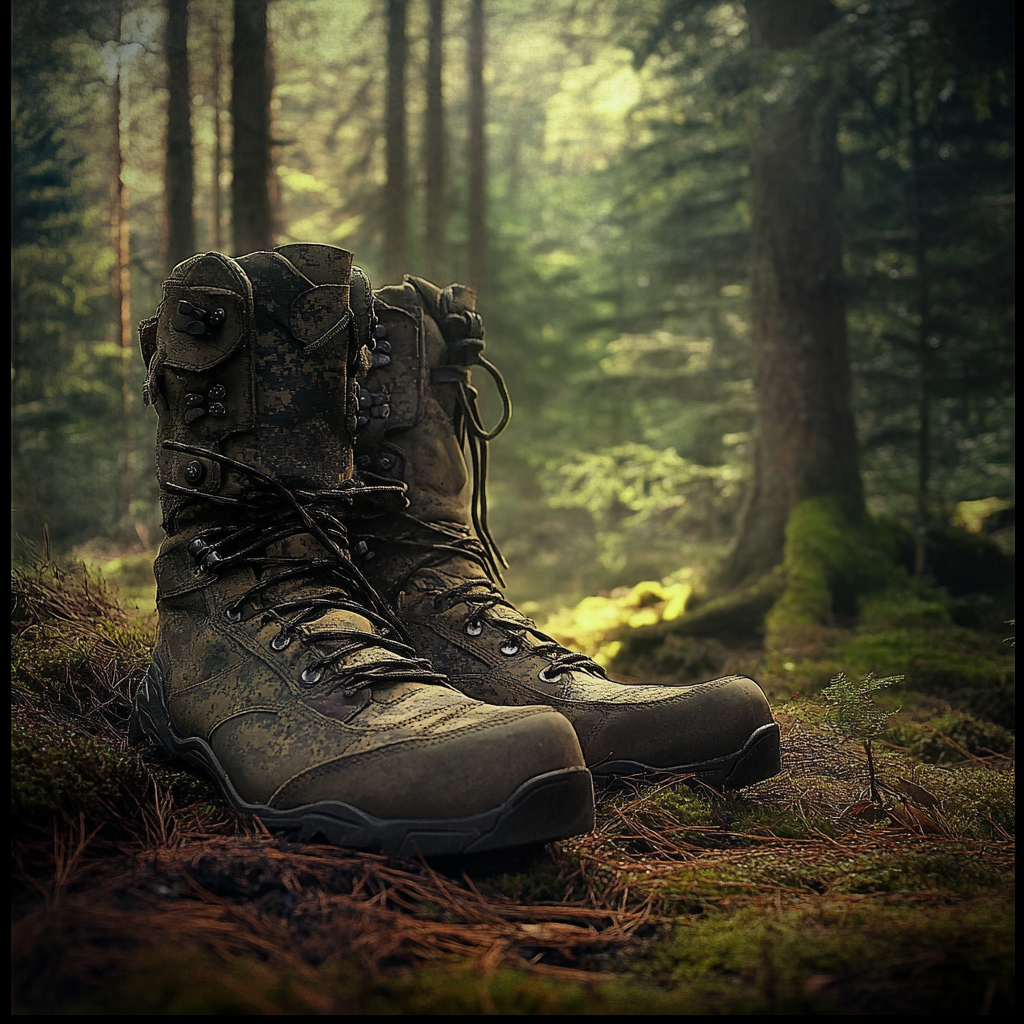
Injury Prevention Through Proper Footwear
Beyond comfort and performance, tactical boots provide protection that prevents injuries common in active outdoor pursuits.
Ankle injuries represent the most common preventable harm in activities involving uneven terrain and rapid movements. Twisted ankles, sprains, and even fractures occur when feet land on uneven surfaces, step into depressions, or twist during direction changes. The ankle support that tactical boots provide—through height, structure, and design—dramatically reduces these injury risks.
Impact injuries from stepping on sharp rocks, roots, debris, or hard objects affect players in minimal footwear. Tactical boot soles are designed thick and stiff enough to prevent penetration by most objects and to spread impact forces across larger areas. Players can run confidently over terrain that would cause pain or injury through thinner soles.
Abrasion and laceration injuries from dragging feet, diving, or sliding affect exposed skin and minimal footwear. Tactical boots cover and protect more foot and ankle area than low-cut alternatives, preventing scrapes and cuts that open doors to infection.
Fatigue-related injuries increase as tired feet, legs, and bodies make poorer decisions and react more slowly. Boots that maintain comfort and reduce fatigue through appropriate cushioning and support help players stay sharp longer, making better decisions that avoid injuries late in game days.
Performance Enhancement Through Quality Footwear
Beyond injury prevention, quality tactical boots enhance performance in measurable ways.
Grip confidence enables aggressive play. When you trust your footing, you can commit fully to movements that tentative footwork would compromise. Players with reliable grip sprint faster, stop harder, and change direction more decisively because they’re not subconsciously protecting against slips.
Reduced fatigue preserves energy for late-game performance. Boots with appropriate cushioning and support reduce the muscular effort required to stabilize and protect feet. This energy savings accumulates throughout long days, leaving you fresher for critical moments that might determine outcomes.
Mental focus improves when footwear concerns disappear. Players in uncomfortable or unreliable footwear constantly think about their feet—adjusting, compensating, worrying. Quality boots that fit properly and perform reliably free mental resources for tactical thinking and game awareness.
Movement efficiency increases with properly designed footwear. Boots engineered for the movements tactical activities demand work with your body’s mechanics rather than against them. This efficiency translates to faster movements, better endurance, and improved overall performance.
Understanding Tactical Boot Construction
Knowledge of how tactical boots are built helps you evaluate quality and understand why certain features matter.
Upper Construction Materials
The upper portion of tactical boots—everything above the sole—uses various materials with different characteristics.
Full-grain leather provides maximum durability and protection in traditional tactical boot construction. This material resists abrasion, maintains structure through hard use, and develops character with age. High-quality leather uppers can last years with proper care. However, leather boots typically weigh more than synthetic alternatives and may require break-in periods before reaching optimal comfort. Leather also requires maintenance—conditioning and waterproofing treatments—to maintain performance.
Nylon and synthetic textiles offer lightweight, breathable alternatives to leather. Modern tactical boots increasingly use engineered fabrics that provide surprising durability while dramatically reducing weight. Synthetic uppers typically require no break-in period and dry faster than leather when wet. They may not match leather’s ultimate durability in extreme conditions but perform excellently for most users’ needs.
Combination constructions blend leather and synthetic materials to capture benefits of both. Common designs use leather in high-wear areas—toe caps, heel counters, and reinforcement panels—while using lighter synthetics elsewhere. This approach provides durability where it matters most while keeping overall weight manageable.
Mesh panels in boot uppers dramatically improve breathability. Strategic mesh placement allows air circulation that keeps feet cooler and reduces moisture buildup. However, mesh also allows water entry more readily than solid materials, creating trade-offs between breathability and water resistance that users must evaluate based on intended use.
Sole Construction and Materials
The sole assembly affects grip, cushioning, durability, and weight—making it critically important.
Outsoles—the bottom layer that contacts the ground—are typically made from rubber compounds engineered for specific characteristics. Softer rubber compounds provide better grip but wear faster. Harder compounds last longer but may sacrifice traction. Quality tactical boots use purpose-engineered rubber that balances these factors appropriately.
Tread patterns determine how boots interact with different surfaces. Deep, aggressive lugs provide excellent traction in soft surfaces like mud or loose soil by digging into the material. Shallower patterns with more surface contact area work better on hard surfaces where the lugs can’t penetrate. Multi-terrain patterns attempt to balance both needs, though specialized patterns may outperform general-purpose designs in their intended environments.
Midsoles provide cushioning between foot and ground. EVA (ethylene vinyl acetate) foam is common in tactical boots, offering good cushioning at reasonable weight. Higher-end boots may use proprietary cushioning technologies—Under Armour’s Micro G foam or similar formulations—that provide enhanced energy return and durability. Midsole quality directly affects comfort during extended wear and impact absorption during active use.
Shanks are stiffening elements embedded in the sole assembly that provide rigidity and support. Steel shanks offer maximum stiffness and protection but add weight. Composite shanks provide similar support at reduced weight. Some lightweight boots eliminate shanks entirely, sacrificing support for weight reduction. Your activity type determines appropriate shank characteristics—heavy loads and rough terrain warrant stiffer shanks, while speed-focused activities may prefer flexibility.
Ankle Support Systems
The height and structure around the ankle significantly affects support and protection.
Boot height is typically described in inches—6-inch, 8-inch, and taller options provide progressively more ankle coverage. Taller boots provide more support and protection but may restrict ankle flexibility and add weight. Most tactical applications favor 6-inch to 8-inch heights as reasonable compromises between support and mobility.
Padding and structure around the ankle collar affects both support and comfort. Quality boots pad the ankle collar adequately to prevent rubbing while providing enough structure to support the joint during lateral movements. Insufficient padding causes discomfort; insufficient structure allows ankle roll.
Lacing systems affect how securely boots hold ankles. Traditional eyelets with standard laces provide adjustable support based on how tightly you lace. Speed-lacing systems with quick-pull mechanisms enable faster adjustment but may not provide the same fine-tuned fit as traditional lacing. Some boots use locking mechanisms that maintain tension settings once established.
Water Resistance and Breathability
Managing moisture—both from external sources and perspiration—significantly affects comfort.
Waterproof membranes like Gore-Tex create barriers that prevent external water entry while allowing internal moisture vapor to escape. These membranes enable boots to handle wet conditions without trapping perspiration. However, waterproof boots typically cost more and may not breathe as freely as non-waterproof alternatives in dry conditions.
Water-resistant treatments applied to materials provide protection from light moisture without full waterproofing. These treatments typically reduce breathability less than membrane systems but don’t handle submersion or heavy rain as effectively. Regular reapplication of water-resistant treatments may be required as they wear off with use.
Drainage features in some boots assume you’ll get water inside and focus on getting it out quickly. Drainage ports, quick-drying materials, and designs that don’t trap water take different approaches than waterproofing by accepting water entry but minimizing its impact.
Breathability technologies focus on internal moisture management. Mesh panels, moisture-wicking linings, and ventilation channels help move perspiration away from feet and out of boots. In warm conditions or during intense activity, breathability may matter more than waterproofing for overall comfort.
Key Features to Consider When Choosing Tactical Boots
Beyond understanding construction, knowing which features matter for your specific needs guides better selection decisions.
Comfort and Fit Fundamentals
No feature matters if boots don’t fit properly and feel comfortable.
Proper sizing requires careful attention because tactical boot sizing doesn’t always match casual shoe sizing. Different brands use different lasts (foot-shaped forms around which boots are built), and even different models from the same brand may fit differently. Always consult size charts, read reviews mentioning fit, and be prepared to exchange if initial sizing doesn’t work.
Length should allow approximately one finger’s width of space between your longest toe and the boot’s end. This space prevents toe impacts during downhill walking and allows for natural foot movement without restriction.
Width accommodation matters for both narrow and wide feet. Some boots run narrow and squeeze wide feet uncomfortably. Others accommodate various widths through adjustable lacing or different width options. Know your foot width and seek boots designed for it.
Arch support should match your foot’s natural arch. High arches need boots that provide appropriate support or accommodate custom insoles. Flat feet need different support characteristics. Mismatched arch support creates discomfort and potential injury.
Break-in requirements vary between boot types and materials. Leather boots typically require break-in periods during which they’ll be less comfortable than synthetic alternatives that feel right from the first wear. If immediate comfort matters, favor synthetic constructions or boots known for minimal break-in needs.
Weight Considerations
Boot weight affects fatigue, speed, and overall performance throughout extended wear.
Lighter boots reduce energy expenditure with every step. Over thousands of steps in a game day, weight differences accumulate into meaningful fatigue impacts. Players in lighter boots often finish days fresher than those in heavier alternatives.
Weight trade-offs with protection exist—lighter boots often achieve weight reduction by reducing material thickness or eliminating features that provide protection. Evaluate whether weight savings justify potential protection compromises for your specific activities.
Total weight versus individual foot weight both matter. A difference of a few ounces per boot translates to lifting that extra weight with every step. Over extended activity, these differences become significant.
Weight distribution affects feel as much as total weight. Boots with weight concentrated in the sole feel different from those with distributed weight throughout. Try different configurations if possible to understand your preferences.
Traction Requirements
Grip on various surfaces keeps you upright and moving confidently.
Outsole rubber compounds determine grip characteristics. Softer compounds typically grip better but wear faster. Specialized compounds for specific surfaces may outperform general-purpose formulations.
Tread pattern selection should match anticipated surfaces. Deep lugs for soft surfaces, flatter patterns for hard surfaces, and multi-terrain patterns for varied environments each have appropriate applications.
Self-cleaning tread designs release mud and debris rather than trapping them. Boots that accumulate material in tread patterns lose traction until cleaned. If you’ll encounter mud, look for designs that stay clearer.
Oil and slip resistance matters for industrial applications and some tactical environments. Specifically rated slip-resistant outsoles provide additional safety margin on contaminated or wet hard surfaces.
Durability and Longevity
How long boots last affects their value proposition significantly.
Construction quality determines how boots hold up to use. Stitching, bonding, and assembly quality all affect whether boots remain functional through extended service. Quality construction costs more initially but typically provides better value through longer service life.
Material choices affect durability in different ways. Leather lasts longer than most synthetics in abrasion resistance but may be damaged by chemicals or neglect. Synthetics handle some conditions better but may not survive rough treatment as well.
Sole attachment methods vary in durability. Cemented soles (glued) are common but can separate under stress. Stitched or welted soles provide more durable attachment, though these construction methods typically cost more.
Repairability potential extends useful life when components wear. Boots with replaceable insoles, resolvable constructions, or repairable uppers can be refreshed rather than replaced. Single-unit constructions that cannot be repaired must be discarded when any component fails.
Climate and Weather Considerations
Your typical conditions should influence boot selection.
Hot weather applications prioritize breathability to manage heat and perspiration. Heavy, insulated boots that keep feet warm become unbearable in heat. Seek lightweight, well-ventilated designs for warm climate use.
Cold weather applications need insulation and wind resistance to maintain warmth. Breathable summer boots provide inadequate protection in freezing conditions. Insulated boots designed for cold temperatures maintain comfort where others fail.
Wet condition performance requires either waterproofing that keeps water out or quick-drying construction that handles water entry gracefully. Boots that neither block water nor dry quickly create uncomfortable conditions that persist through activity.
Multi-season versatility may be achievable with moderate designs if your climate doesn’t reach extremes. However, boots optimized for specific conditions often outperform all-purpose designs in those conditions.
The 12 Best Tactical Boots: Comprehensive Reviews
After extensive evaluation across various applications—paintball fields, hiking trails, training environments, and everyday wear—these twelve tactical boots represent the best options currently available across different price points and specializations.
1. Under Armour Men’s Valsetz RTS 1.5: Best Overall Tactical Boot
The Under Armour Valsetz RTS 1.5 has earned its position as our top overall recommendation through exceptional balance of performance, comfort, and durability that serves diverse applications equally well.
Construction and design blend athletic shoe sensibility with tactical boot capability. The sneaker-influenced appearance looks less aggressive than traditional combat boots, making these appropriate for situations where aggressive footwear might seem inappropriate. Despite the athletic styling, the construction is genuinely tactical—built to handle demanding use that athletic shoes cannot survive.
The upper combines leather overlays for durability with synthetic and textile materials for breathability and light weight. This combination provides protection where it matters while keeping overall weight manageable. The materials have proven durable through extended testing without the premature wear that concerns potential buyers of newer designs.
Under Armour’s Micro G foam cushioning provides energy return and impact absorption that keeps feet comfortable throughout extended wear. This proprietary cushioning technology, developed for athletic applications, translates excellently to tactical use where cushioning needs are similar. Users consistently report all-day comfort that doesn’t degrade as hours accumulate.
ClutchFit technology in the ankle provides support that moves with the joint rather than restricting it. This approach allows natural ankle movement while still stabilizing against roll and twist. The result feels supportive without the locked-down sensation that more restrictive designs create.
Traction from the rubber outsole handles varied terrain confidently. The tread pattern provides reliable grip on hard and soft surfaces alike, though it’s not specialized for any particular condition. For general-purpose use across diverse terrain, the grip satisfies.
The fit runs true to size for most users, with adequate width for average feet. Those with particularly wide feet should consider sizing up or seeking wide-width alternatives, as the cut doesn’t accommodate extreme width well.
Potential limitations include premium pricing that exceeds budget options significantly and less specialized performance than boots designed for specific conditions. Users needing maximum waterproofing, extreme insulation, or other specialized features may find purpose-built alternatives better suited despite the Valsetz’s overall excellence.
Best suited for: Players seeking a versatile boot that performs well across diverse activities, those who value comfort for extended wear, users who appreciate athletic styling over aggressive tactical aesthetics, and anyone willing to invest in quality that will provide years of service.
Price range: Higher-end; represents significant investment that quality and durability justify.
2. Bates Men’s Ultra-Lite Tactical Sport Side Zip: Best for Active Play
When your activities demand constant movement, quick direction changes, and athletic performance from your footwear, the Bates Ultra-Lite delivers flexibility and responsiveness that traditional tactical boots often lack.
The lightweight construction makes these boots feel almost athletic despite their tactical capability. Where some tactical boots feel heavy and clunky during active movement, the Ultra-Lite keeps pace with demanding play without weighing you down.
Leather and nylon upper construction balances durability with weight management. The leather components provide protection and structure where needed; the nylon reduces weight and improves breathability. The combination works well for active applications where both durability and mobility matter.
The side zipper enables quick donning and removal—valuable when you need to get boots on and off efficiently. The zipper also allows fit adjustment independent of lacing, which some users prefer. Quality zipper construction ensures reliable operation without the binding or breakage that cheap zippers suffer.
Shock absorption technology in the sole assembly cushions impacts from running, jumping, and landing. Active play subjects feet to repeated impacts that accumulate into fatigue and discomfort without adequate absorption. The Ultra-Lite handles these impacts effectively.
Ankle support strikes appropriate balance between stability and flexibility. The design supports during lateral movements and direction changes without restricting the ankle mobility that active play requires. Players can move naturally while still benefiting from support.
Breathable mesh lining helps manage moisture during high-exertion activity. When you’re working hard, perspiration increases significantly. The breathability helps feet stay comfortable rather than becoming swampy and uncomfortable.
Potential limitations include sizing inconsistency that users report—fit may vary between production runs, making online ordering riskier than trying boots in person. If possible, try before buying, or purchase from retailers with easy exchange policies.
Best suited for: Paintball players who value mobility and speed, athletes crossing over to tactical activities, security and law enforcement professionals who spend shifts on their feet, and anyone prioritizing active performance over maximum protection.
Price range: Mid-range to higher; reasonable value for the performance delivered.
3. Under Armour Men’s Stellar: Best Durability
When you need boots that will survive demanding use over extended periods, the Under Armour Stellar delivers construction quality that outlasts alternatives.
Heavy-duty construction throughout the Stellar prioritizes longevity over weight reduction. Where lighter boots may sacrifice material thickness or eliminate features, the Stellar maintains robust construction that handles abuse.
Leather and nylon textile upper combines durability with reasonable weight management. The leather provides abrasion resistance and structural integrity; the textile reduces weight compared to full-leather construction. The materials hold up through extended hard use without the premature wear that indicates marginal construction.
The EVA midsole provides cushioning that maintains properties through extended service. Some cushioning materials degrade over time, compacting and losing effectiveness. Quality EVA maintains performance longer, keeping boots comfortable through their service life rather than just initially.
High-ankle design extends coverage and support beyond standard tactical boots. The additional height provides more ankle protection and support for demanding activities. Users report feeling more secure during challenging terrain navigation than in lower-cut alternatives.
Weather resistance helps the Stellar handle varied conditions without immediate damage. The construction handles rain, mud, and temperature variations without the rapid deterioration that lesser boots exhibit. This versatility extends useful service across seasons and conditions.
Fit is generally snug, which some users prefer and others find initially tight. The snug fit provides secure hold that prevents internal movement and resulting blisters. Users who prefer loose-fitting footwear may find the Stellar too tight initially, though some loosening occurs with wear.
Potential limitations include traction that doesn’t match the durability excellence—some users report slip concerns on certain surfaces. The Stellar also doesn’t breathe as well as lighter alternatives, making it less comfortable in hot conditions or during high-exertion activities.
Best suited for: Users who prioritize boot longevity, those who wear through lighter boots quickly, applications involving rough treatment that tests construction, and buyers who prefer investing more initially to replace less frequently.
Price range: Mid-range; good value considering the extended service life quality construction enables.
4. Salomon Forces Quest 4D GTX 2: Best Premium Hiking Boot
When your activities blend tactical requirements with serious hiking or trekking, the Salomon Quest brings hiking boot expertise to tactical applications with results that pure tactical boots rarely match.
Salomon’s hiking heritage informs every aspect of the Quest’s design. This isn’t a tactical manufacturer experimenting with hiking features—it’s a hiking specialist applying proven technology to tactical requirements. The difference shows in trail performance that dedicated tactical boots struggle to match.
The Contagrip outsole provides exceptional traction across varied terrain. Salomon developed this rubber compound specifically for hiking applications, and the Quest benefits from that specialization. Grip on rocks, roots, mud, and mixed surfaces exceeds most tactical boot alternatives.
Gore-Tex waterproof membrane keeps feet dry without sacrificing breathability. For activities involving water crossings, wet vegetation, or rain, the waterproofing maintains comfort that non-waterproof boots cannot. The breathability allows interior moisture management that prevents the clammy feeling some waterproof boots create.
EVA cushioning provides comfortable impact absorption for extended hiking or patrolling. The cushioning holds up through long days without the compression that degrades cheaper foams.
High-ankle support exceeds typical tactical boots through design optimization for uneven terrain. The ankle collar and structural design address exactly the challenges that trail hiking presents.
Oil and slip resistance enhance the Quest’s versatility beyond pure trail use. These features enable confident use on industrial or contaminated surfaces that pure hiking boots might not handle well.
The fit may vary from standard tactical boot sizing—Salomon uses different lasts than tactical boot manufacturers. Try before buying if possible, or consult Salomon-specific sizing guidance.
Potential limitations include premium pricing that significantly exceeds budget alternatives and styling that looks more hiking-oriented than tactical. Users seeking aggressive tactical appearance may prefer alternatives despite the Quest’s excellent performance.
Best suited for: Users whose activities blend tactical requirements with significant hiking, those who prioritize trail performance over tactical aesthetics, players who value waterproof protection, and buyers willing to invest in premium quality.
Price range: Premium; significant investment justified by exceptional quality and specialized performance.
5. Maelstrom Men’s Tac Force: Best Comfort for Extended Wear
When your days are long and your feet need to stay comfortable throughout, the Maelstrom Tac Force addresses extended-wear comfort more specifically than most tactical boots.
Comfort-focused design prioritizes the features that matter most for long days. Rather than maximizing protection or minimizing weight, the Tac Force optimizes for the comfort that keeps feet happy hour after hour.
Moisture-wicking technology in the lining helps manage perspiration that accumulates during extended wear. Wet feet become uncomfortable feet, developing blisters and irritation that shorter wear wouldn’t produce. Effective moisture management prevents these problems.
G-foam padding provides cushioning that maintains comfort as hours accumulate. The foam formulation resists compression that would reduce effectiveness over time, keeping padding supportive throughout extended service.
The side zipper enables quick breaks and adjustments that long days may require. Being able to quickly remove and replace boots without full relacing makes brief breaks more valuable for foot recovery.
Flexible construction moves with feet naturally rather than fighting their motion. Rigid boots may provide more protection but create fatigue as feet work against the structure. The Tac Force’s flexibility reduces this effort.
Lightweight despite comfort features means the comfort doesn’t come at weight cost. Some comfort-focused boots add weight that creates different fatigue; the Tac Force manages both concerns effectively.
Durability suits the application—these boots handle extended wear without premature deterioration. The materials and construction survive the use intensity that all-day, every-day wearing creates.
Potential limitations include premium pricing that reflects the comfort engineering and specialized market positioning. Users who don’t need extreme extended-wear comfort may find less expensive alternatives adequate.
Best suited for: Security professionals who stand long shifts, event staff who work extended hours, scenario paintball players in multi-day events, and anyone whose typical use involves many consecutive hours of wear.
Price range: Higher-end; premium pricing for premium comfort.
6. Merrell Men’s Moab 2 8″ Tactical Waterproof: Best Wet-Condition Performance
When your activities frequently involve wet conditions—rain, streams, mud, or any other moisture—the Merrell Moab 2 delivers waterproof performance that keeps feet dry when others fail.
M Select Dry technology provides the waterproof barrier that defines this boot’s specialty. The membrane prevents external water from reaching feet while allowing internal moisture to escape. This breathable waterproofing maintains comfort that impermeable waterproofing cannot match.
The bellows tongue prevents water entry through the tongue-to-upper junction that defeats many otherwise waterproof boots. This sealed construction means water can’t sneak in through the gap that conventional tongues create.
Kinetic Fit wrap provides structural support that moves naturally with feet. The support helps prevent ankle roll on slippery wet surfaces where instability risks increase.
Construction quality handles the challenges that wet conditions create. Materials resist water damage, stitching uses water-resistant thread, and the overall assembly survives moisture exposure that damages lesser boots.
Comfort for extended wear doesn’t suffer despite the waterproof focus. Some waterproof boots sacrifice comfort for water protection; the Moab 2 maintains the comfort Merrell’s hiking heritage demands.
Traction on wet surfaces provides the grip that wet conditions require. The outsole compound and tread pattern handle wet rocks, mud, and slippery surfaces better than boots not designed for these conditions.
Stability through structural design helps compensate for the instability that wet, slippery conditions create. The boot’s structure helps keep you upright when surfaces try to dump you.
Potential limitations include midfoot stiffness that some users notice—the waterproof construction creates some rigidity that lighter boots avoid. Users prioritizing flexibility over waterproofing may prefer alternatives.
Best suited for: Players who regularly encounter wet conditions, those who refuse to stay home when weather turns, activities involving water crossings or wet terrain, and anyone who prioritizes keeping feet dry.
Price range: Mid-range to higher; reasonable value for specialized waterproof capability.
7. Belleville TACTICAL RESEARCH TR Mini-Mil: Best for Speed and Running
When your activities demand running-shoe responsiveness in a tactical boot package, the Belleville TR Mini-Mil delivers speed-focused performance that heavier tactical boots cannot match.
Lightweight construction prioritizes the speed and agility that tactical boots often sacrifice for protection. These boots feel fast on your feet, responding to movement demands without the weight penalty that slows you down.
The design specifically addresses running applications within tactical contexts. Law enforcement officers chasing suspects, military personnel covering ground quickly, and paintball players sprinting between positions all benefit from the running-optimized design.
Breathable nylon upper keeps weight down while managing heat during high-exertion activities. Running generates significant body heat; boots that trap this heat become uncomfortable quickly. The breathability prevents this problem.
Durable leather reinforcement in high-wear areas provides protection and longevity without adding weight throughout the boot. The strategic material placement puts durability where it matters while keeping non-critical areas light.
Slip-resistant rubber outsole provides grip during the varied movements running involves. The compound and pattern handle the terrain changes that running across diverse surfaces presents.
Flexibility supports natural foot movement during running gaits. Stiff boots that resist the flexion running requires create inefficiency and fatigue; the Mini-Mil moves with feet naturally.
Stability on uneven terrain remains adequate despite the lightweight focus. You can run across challenging surfaces with confidence rather than constantly worrying about ankle roll.
Potential limitations include limited cushioning compared to boots optimized for standing or walking. The cushioning suffices for running, where ground contact time is brief, but may not satisfy users standing for extended periods. Protection is also minimized compared to heavier alternatives.
Best suited for: Players who run frequently during activities, law enforcement with foot pursuit potential, military personnel prioritizing speed, and anyone who values agility over maximum protection.
Price range: Mid-range; good value for the specialized running capability.
8. RYNO GEAR Tactical Combat Boots: Best Weather Versatility
When your conditions vary significantly—hot to cold, wet to dry, calm to extreme—the RYNO GEAR Combat Boots provide versatility that handles diverse weather conditions.
Weather-resistant construction addresses the challenges that varied conditions create. Rather than optimizing for specific conditions, RYNO GEAR designed these boots to perform adequately across the spectrum.
The design handles harsh conditions that would challenge single-purpose boots. Rugged construction survives rough treatment; weather-resistant materials handle moisture; adequate insulation maintains comfort in cooler conditions.
Slip-resistant rubber outsoles provide grip across the surface variations that weather creates. Wet surfaces, frozen surfaces, and muddy surfaces all receive adequate traction.
Thick cushioning absorbs shock while providing insulation from ground temperatures. Cold ground saps heat through inadequate soles; the cushioning helps maintain comfort.
Durability through construction quality ensures the boots survive the conditions they’re designed to handle. Weather versatility means nothing if boots deteriorate quickly; these maintain function through extended diverse-condition use.
Lightweight despite versatility keeps the boots comfortable for extended wear. Some weather-versatile boots achieve versatility through heavy construction; RYNO GEAR manages both concerns.
Stability features help handle the varied footing that weather creates. The construction supports confident movement across conditions.
Breathability balances with weather resistance appropriately for temperate conditions. The boots breathe well enough for comfort while resisting moisture effectively.
Potential limitations include higher pricing that reflects the versatile engineering and the reality that purpose-built boots may outperform in their specific conditions. If your conditions don’t vary significantly, specialized boots may serve better.
Best suited for: Users whose conditions vary significantly, those who prefer one boot for all occasions, players who refuse to stay home regardless of weather, and anyone seeking versatility over specialization.
Price range: Higher-end; premium pricing for premium versatility.
9. Smith & Wesson Men’s Breach 2.0: Best Budget Value
When budget constraints limit options but quality needs remain, the Smith & Wesson Breach 2.0 delivers genuine capability at accessible pricing.
Value-focused design provides the features that matter most while eliminating costly elements that don’t significantly affect performance. This prioritization enables lower pricing without sacrificing function.
EVA cushioning provides comfort that budget boots often lack. Cheap boots frequently skimp on cushioning, creating discomfort that makes the low price not worthwhile. The Breach 2.0 includes adequate cushioning.
Steel shank support provides stability and protection that light boots eliminate. The shank prevents excessive sole flex while protecting feet from penetrating objects. This feature adds meaningful capability.
The tread pattern provides reliable grip across common surfaces. The design isn’t specialized for any particular condition but handles general-purpose use effectively.
Durability exceeds typical budget boot expectations. Where many cheap boots fall apart quickly, the Breach 2.0 provides reasonable service life. The materials and construction survive regular use.
Comfort satisfies for typical use durations and activity levels. These boots won’t compete with premium comfort-focused alternatives but handle normal use adequately.
Potential limitations include sizing inconsistency that budget manufacturing sometimes creates—try before buying if possible. Premium features and extreme durability shouldn’t be expected at this price point.
Best suited for: Budget-conscious buyers who need functional boots, those trying tactical boots before investing heavily, occasional users who can’t justify premium pricing, and anyone who prioritizes value over maximum capability.
Price range: Budget-friendly; among the best values available in tactical boots.
10. Thorogood GEN-Flex2 8″: Best for Experienced Users
When you know exactly what you need from tactical boots and want construction quality that delivers, the Thorogood GEN-Flex2 provides professional-grade capability.
Storm Welt construction provides exceptional durability through a stitching method that creates strong sole attachment. This traditional quality construction outlasts cemented alternatives and enables resoling when soles eventually wear.
Quick-drying technology addresses moisture management with materials and construction that release water rapidly. Whether from sweat or external exposure, moisture clears quickly.
Professional-grade durability satisfies demanding users who wear through lesser boots. The construction survives hard use over extended periods, providing value through longevity.
Flexibility despite durability means the boots move naturally without the rigid feeling some durable constructions create. Experienced users appreciate this balance.
Protection exceeds lighter alternatives through robust construction. The boots provide meaningful defense against impacts, abrasion, and penetration.
Comfort over time reflects design optimization for professional daily wear. These boots are built for people who wear tactical boots as work equipment, not occasional recreation.
Fit is generally consistent with standard tactical boot sizing, though the professional construction may feel different from athletic-styled alternatives.
Potential limitations include tread patterns that may trap debris in muddy conditions and styling that looks utilitarian rather than athletic. Users preferring lighter, more athletic boots should look elsewhere.
Best suited for: Professional users who need daily-wear durability, experienced users who know what they need, those who prefer resolable construction, and anyone prioritizing longevity over initial cost.
Price range: Mid-range; reasonable considering the construction quality and durability.
11. Propper Men’s Series 100 8″ Waterproof: Best All-Around Protection
When protection across multiple dimensions—weather, terrain, impacts—matters for your applications, the Propper Series 100 delivers comprehensive protection.
Weather-resistant construction provides the first protection layer, keeping external moisture from reaching feet. The waterproof membrane handles rain, puddles, and wet conditions.
The rubber outsole with specialized lugs provides protection through grip that prevents the falls and slips that cause injury. The tread pattern handles challenging surfaces confidently.
Structural protection through reinforced construction guards against impacts and compression. The robust build protects feet from the hazards that aggressive terrain presents.
Versatility across conditions makes these boots appropriate for varied applications without needing multiple specialized pairs. The protection applies across different challenges.
Lightweight considering protection keeps the boots comfortable despite their protective construction. Heavy protection boots create their own problems; the Series 100 balances concerns.
Durability supports the protection through construction that survives the conditions it’s designed to handle. Protection that deteriorates quickly isn’t useful; this protection lasts.
Potential limitations include fit challenges that some users report—sizing may require experimentation. The comprehensive protection also creates trade-offs with breathability that users in hot conditions should consider.
Best suited for: Users needing multi-dimensional protection, those working in hazardous environments, players in demanding terrain, and anyone prioritizing protection over specialization.
Price range: Mid-range; reasonable value for comprehensive protection.
12. Danner Men’s Tachyon 8″ GTX: Best Premium Lightweight
When you want premium quality without premium weight, the Danner Tachyon delivers lightweight performance backed by Danner’s exceptional quality standards.
Synthetic leather upper provides the durability leather delivers at reduced weight. The material handles demanding use without the weight penalty full-grain leather creates.
Quick-drying materials manage moisture without trapping it. The construction releases water rapidly whether from sweat or external exposure.
Gore-Tex waterproof membrane keeps external moisture out while allowing internal moisture to escape. This breathable waterproofing maintains comfort that impermeable constructions cannot match.
EVA midsole cushioning provides comfort and impact absorption that extended activity requires. The cushioning maintains effectiveness through use.
Exceptional grip through the Danner-developed outsole handles diverse surfaces confidently. The traction inspires confidence across terrain variations.
Premium construction quality reflects Danner’s reputation for excellence. The craftsmanship, materials, and assembly all meet standards that justify premium pricing.
Durability despite light weight proves that weight reduction doesn’t require durability sacrifice. Danner achieves both through material and design optimization.
Potential limitations include premium pricing that significantly exceeds budget alternatives and breathability that doesn’t quite match unlined boots. The waterproof membrane provides protection at some breathability cost.
Best suited for: Users who demand both premium quality and light weight, those willing to invest in excellence, professionals who need gear that performs reliably, and anyone who appreciates Danner craftsmanship.
Price range: Premium; significant investment in exceptional quality.
How to Choose Tactical Boots Based on Your Activity
Different activities impose different demands—matching boots to activities optimizes performance.
For Paintball Specifically
Paintball’s unique demands guide specific boot selection.
Woodsball across natural terrain with varied surfaces and extended distances favors boots with excellent traction, ankle support, and comfort for extended wear. The Salomon Quest or Merrell Moab serve well here. Waterproofing matters if your fields include wet areas.
Speedball on artificial surfaces with explosive movements favors lighter, more agile boots. The Belleville Mini-Mil or Under Armour Valsetz handle speedball demands well. Cushioning and flexibility matter more than ankle height in this format.
Scenario games spanning extended periods demand comfort that survives long days. The Maelstrom Tac Force addresses extended-wear comfort specifically. Versatility matters because scenario terrain varies.
General recreational play across mixed formats benefits from versatile boots like the Under Armour Valsetz that perform adequately across diverse conditions without specializing.
For Hiking and Trekking
Trail activities emphasize different characteristics.
Day hiking on maintained trails needs moderate boots with good traction and comfort. Most tactical boots handle this application well.
Backpacking with loads demands more support and cushioning. Boots with strong shanks and robust construction handle the additional stress better.
Challenging terrain with technical sections requires excellent traction and ankle support. The Salomon Quest excels in these conditions.
For Professional Applications
Work requirements vary but often emphasize specific characteristics.
Security and law enforcement often involve extended standing and occasional running. Comfort for standing combined with running capability matters. The Bates Ultra-Lite or Under Armour Stellar serve these needs.
Military applications may specify approved boots or require specific characteristics. Verify requirements before selecting.
Industrial applications may require safety features like toe protection or electrical hazard ratings that not all tactical boots provide.
For Multi-Purpose Use
If one boot must serve diverse applications, prioritize accordingly.
Identify your most demanding use and ensure your boots handle it adequately. Boots that fail at your primary application serve poorly regardless of other capabilities.
Accept capability trade-offs that multi-purpose requirements create. No single boot optimizes for everything.
Consider multiple pairs if your applications differ significantly enough that compromise becomes too costly.
Boot Care and Maintenance
Proper care extends boot life and maintains performance.
Cleaning Best Practices
Regular cleaning prevents damage accumulation.
Remove dirt and debris after each use before it dries and sets. Dried mud and dirt become harder to remove and can damage materials.
Clean with appropriate methods for your boot materials. Leather requires different care than synthetics. Follow manufacturer guidance.
Dry properly after cleaning to prevent moisture damage. Stuff with newspaper, use boot dryers at low heat, or air dry away from heat sources.
Conditioning and Treatment
Periodic treatment maintains material condition.
Leather boots require conditioning to maintain suppleness and prevent cracking. Condition regularly, more frequently in dry conditions or with heavy use.
Apply water-resistant treatments appropriate for your boots’ materials. Renew treatments as they wear off—typically every few months with regular use.
Treat metal hardware to prevent corrosion, especially after wet exposure.
Storage Recommendations
Proper storage preserves boots between uses.
Store in cool, dry locations away from heat sources and direct sunlight. Heat and UV damage materials over time.
Use boot trees or stuffing to maintain shape during storage. Boots that collapse lose shape and become less comfortable.
Allow thorough drying before storage to prevent mold and mildew growth.
When to Replace
Recognizing replacement timing prevents using failed equipment.
Sole wear that compromises traction indicates replacement need. Worn tread patterns don’t grip effectively.
Structural failure—separated soles, torn uppers, broken eyelets—compromises boot function and protection.
Cushioning degradation that creates discomfort suggests replacement. Compressed cushioning doesn’t recover.
Waterproofing failure in boots relied upon for water protection means they no longer serve their purpose.
Common Mistakes to Avoid
Learning from others’ errors prevents repeating them.
Sizing Errors
Proper sizing prevents most boot problems.
Don’t assume your casual shoe size applies to tactical boots. Different lasts and different use requirements mean sizes may differ.
Try boots with appropriate socks. The socks you’ll wear during activities affect fit. Testing with thin socks when you’ll wear thick ones creates problems.
Consider foot swelling during extended activities. Feet swell with use; boots that fit perfectly when fresh may become tight during long days.
Feature Mismatches
Selecting inappropriate features creates problems.
Don’t buy specialized boots for conditions you don’t actually encounter. Extreme cold-weather boots are miserable in warm conditions.
Don’t sacrifice necessary features for unnecessary ones. Ultralight boots that lack required support create injury risks.
Don’t overbuy for your actual needs. Professional-grade boots for occasional recreation represent unnecessary expense.
Care Neglect
Poor maintenance shortens boot life.
Don’t skip cleaning. Accumulated dirt damages materials and accelerates wear.
Don’t neglect conditioning. Leather that dries out cracks and fails prematurely.
Don’t ignore damage. Small problems become big problems without attention.
Break-In Failures
Improper break-in creates preventable problems.
Don’t wear new boots for demanding activities before breaking them in. Break-in requires gradual use increases.
Don’t ignore discomfort during break-in. Persistent problems may indicate fit issues rather than break-in needs.
Don’t assume all boots require break-in. Some synthetic boots feel right immediately; forced break-in is unnecessary.
Breaking in Your Tactical Boots
New boots often require break-in for optimal comfort.
Why Break-In Matters
Understanding break-in helps manage expectations.
Materials soften and conform to feet during break-in. Stiff new materials become flexible; flat insoles develop foot-shaped impressions.
Fit refines as boots settle. Initial tightness may ease; initial looseness may increase. Break-in reveals true fit.
Problem areas become apparent during break-in. Hot spots and pressure points that indicate fit issues show themselves.
Effective Break-In Process
Gradual break-in produces best results.
Start with short wear periods around the house or on easy walks. Don’t immediately undertake demanding activities in new boots.
Gradually increase duration and intensity. As comfort develops, extend wear time and tackle more challenging activities.
Wear activity-appropriate socks during break-in. The socks you’ll use during actual activities should be worn during break-in.
Address developing problems promptly. If hot spots or pressure points appear, evaluate whether they’ll resolve or indicate fit issues.
Expediting Break-In
Sometimes faster break-in is necessary.
Moisture can accelerate break-in for leather boots. Wear boots briefly while damp, then let them dry on feet. This molds leather to foot shape faster.
Flexing and manipulating stiff areas by hand can loosen materials. Work stiff areas with your hands before wearing.
Professional stretching services can address specific tight areas if break-in doesn’t resolve them.
When Break-In Won’t Help
Some problems aren’t break-in issues.
Fundamental size problems don’t resolve through break-in. Boots that are too small or too large remain problematic.
Design incompatibilities with your foot shape won’t resolve. Some boots simply don’t work for some feet.
Quality defects aren’t break-in issues. Boots that arrived with problems should be exchanged, not broken in.
Additional Resources for Boot Selection
For additional guidance on tactical footwear selection, the Boot Camp & Military Fitness Institute provides resources on selecting appropriate footwear for demanding physical activities.
For specific guidance on paintball gear selection including footwear recommendations, PBNation’s gear forums offer community insights from experienced players across various formats and conditions.
Frequently Asked Questions About Tactical Boots
How long should tactical boots last?
Quality tactical boots with proper care typically last 1-3 years of regular use. Variables affecting lifespan include use intensity, conditions encountered, care quality, and construction quality. Premium boots with resolable construction can last longer through sole replacement. Budget boots may wear out faster but cost less to replace.
Are tactical boots good for everyday wear?
Many tactical boots work well for everyday wear, especially athletic-styled options like the Under Armour Valsetz. However, aggressive tactical boots may look out of place in casual settings. Consider styling alongside functionality if everyday wear is intended. Comfort for extended wear matters significantly for daily use.
Can I use running shoes instead of tactical boots for paintball?
Running shoes lack the ankle support, traction, and protection that paintball demands. They’re designed for controlled surfaces and forward movement, not the varied terrain and multi-directional movements paintball involves. Tactical boots provide protection and support that running shoes simply cannot match. For serious paintball participation, proper boots are worth the investment.
How do I know if tactical boots fit properly?
Proper fit provides about one finger’s width between your longest toe and the boot end. The heel should feel secure without slipping. The midfoot should feel snug without pressure points. Width should accommodate your foot without squeezing. You should be able to wiggle toes. Boot fit should be tested while standing and walking, wearing the socks you’ll use during activities.
Should I buy waterproof tactical boots?
Waterproof boots make sense if you regularly encounter wet conditions—rain, water crossings, wet vegetation. If your activities typically occur in dry conditions, waterproof boots may be unnecessary and may actually reduce comfort through decreased breathability. Consider your actual conditions rather than hypothetical worst cases.
How much should I spend on tactical boots?
Budget around $75-150 for good-quality tactical boots that serve recreational use well. Professional or demanding use may justify $150-250 for premium quality and durability. Ultra-premium options exceeding $250 provide maximum quality but may exceed recreational needs. Consider boots as investments—better boots last longer and perform better, potentially providing better value despite higher initial cost.
Conclusion: Selecting Your Ideal Tactical Boots
The right tactical boots enhance every outdoor activity you pursue—providing the support, protection, and comfort that enable peak performance while preventing the injuries and discomfort that poor footwear creates. Whether you’re navigating paintball fields, hiking challenging trails, or working demanding professional shifts, quality boots make the difference between struggling and thriving.
The twelve boots reviewed in this guide represent the best options across different price points, specializations, and applications. The Under Armour Valsetz RTS 1.5 earns our top overall recommendation through exceptional balance of performance, comfort, and durability. The Maelstrom Tac Force addresses extended-wear comfort specifically. The Smith & Wesson Breach 2.0 delivers genuine capability at budget-friendly pricing. Each option excels in its intended applications while providing the fundamental qualities that all quality tactical boots share.
Beyond specific product recommendations, the knowledge this guide provides—understanding construction, evaluating features, matching boots to activities, maintaining equipment properly—enables confident selection regardless of which options you ultimately consider. Armed with this understanding, you can evaluate any tactical boot you encounter and determine whether it meets your specific needs.
Invest in quality footwear. Your feet carry you through every challenge—they deserve equipment that supports rather than limits their capability. The right tactical boots become trusted equipment you’ll rely on for years. Choose wisely, care for your boots properly, and enjoy the enhanced performance and comfort that quality footwear provides.